South African Tour and Safari, 29 Sep - 21 Oct 2026
Ron visited South Africa, Zimbabwe, Botswana, and Namibia from 30 September to 20 October 2026. Unfortunately, Debi decided not to accompany him because of the heat and the physical demands of climbing in and out of open game vehicles.
Southern Africa Odyssey brochure
Atlanta to Johannesburg flight information
Official Itinerary
Accommodations List
Southern Africa Odyssey brochure
Atlanta to Johannesburg flight information
Official Itinerary
Accommodations List
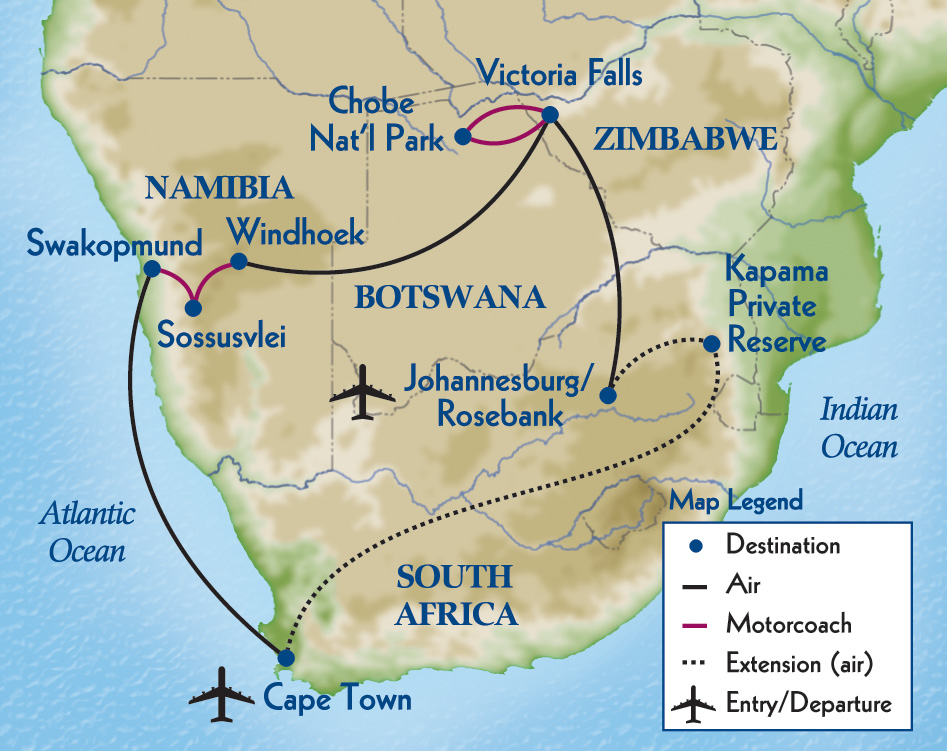
Tour Map
Itinerary
| Day | Itinerary | Hotel |
|---|---|---|
| Sep 29 | Depart U.S. for Johannesburg | |
| 30 Sep | Rosebank (Johannesburg), South Africa | 54 on Bath |
| 4 Oct | Victoria Falls, Zimbabwe | The Victoria Falls Hotel |
| 8 Oct | Windhoek, Namibia | Windhoek Country Club Resort |
| 9 Oct | Sossusvlei, Namibia | Sossusvlei Lodge |
| 11 Oct | Swakopmund, Namibia | Swakopmund Hotel and Entertainment Centre |
| 13 Oct | Cape Town, South Africa | Pepperclub Hotel |
| 17 Oct | Hoedspruit, South Africa | Kapama Private Reserve |
| 20 Oct | Depart Hoedspruit via Johannesburg to U.S. | |
| 21 Oct | Arrive home |
Travelers
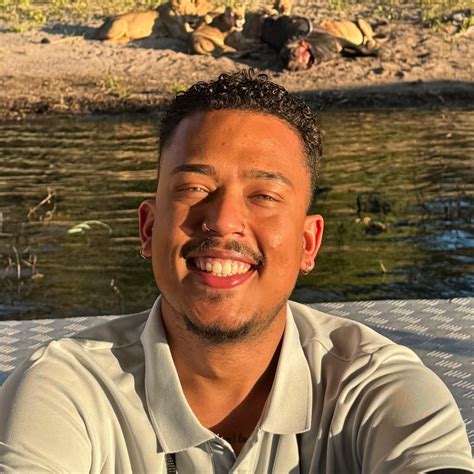
Chezlin Marshman, Tour Director, Odysseys Unlimited
| Guest Names | City | State |
|---|---|---|
| Mrs. Ronee Barshay Mr. Edward Barshay |
Boynton Beach | FL |
| Ms. Christina Bartle | Rolla | MO |
| Mrs. Kathy Lakso | Harrisburg | MO |
| Mr. Ronald Hackett | Fayetteville | TN |
| Dr. Randy Lewis Mrs. Linda Lewis |
Davenport | IA |
| Ms. Jean Selman | Asheville | NC |
| Ms. Leona Wunnenberg | Jackson | WY |
Videos
Soweto Dancers
Victoria Falls
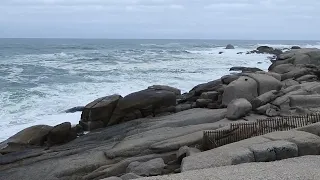
Namibian Coastline
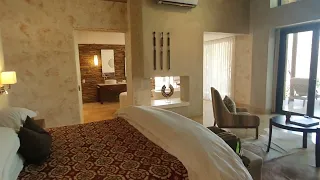
Kapama Accommodations
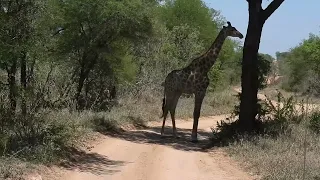
African Animals
Photos
Johannesburg, South Africa
Ron arrived in Johannesburg, South Africa on Wednesday night, 30 September 2026 after a 16-hour flight from Atlanta, Georgia. The locals call it Joburg, and it is Africa's 4th largest city. He arrived two days before the tour started, giving him time to acclimate and adjust to the 7-hour time change. He toured the city on a Hop On Hop Off tour bus on Thursday, and he visited the Apartheid Museum on Friday.
The tour officially started on Saturday with a tour of Johannesburg’s renowned district of Soweto. The “Southwest Townships” (from which the “Soweto” name derived) was established in the 1930s when the Dutch government began using “townships” as part of a system of racial segregation that moved Black laborers out of Johannesburg. Soweto garnered attention in the 1970s when its Black inhabitants fought against apartheid. Today, it is a vibrant residential area. Here we saw the home of former Archbishop Desmond Tutu and visited Nelson Mandela’s home, which is now a museum.
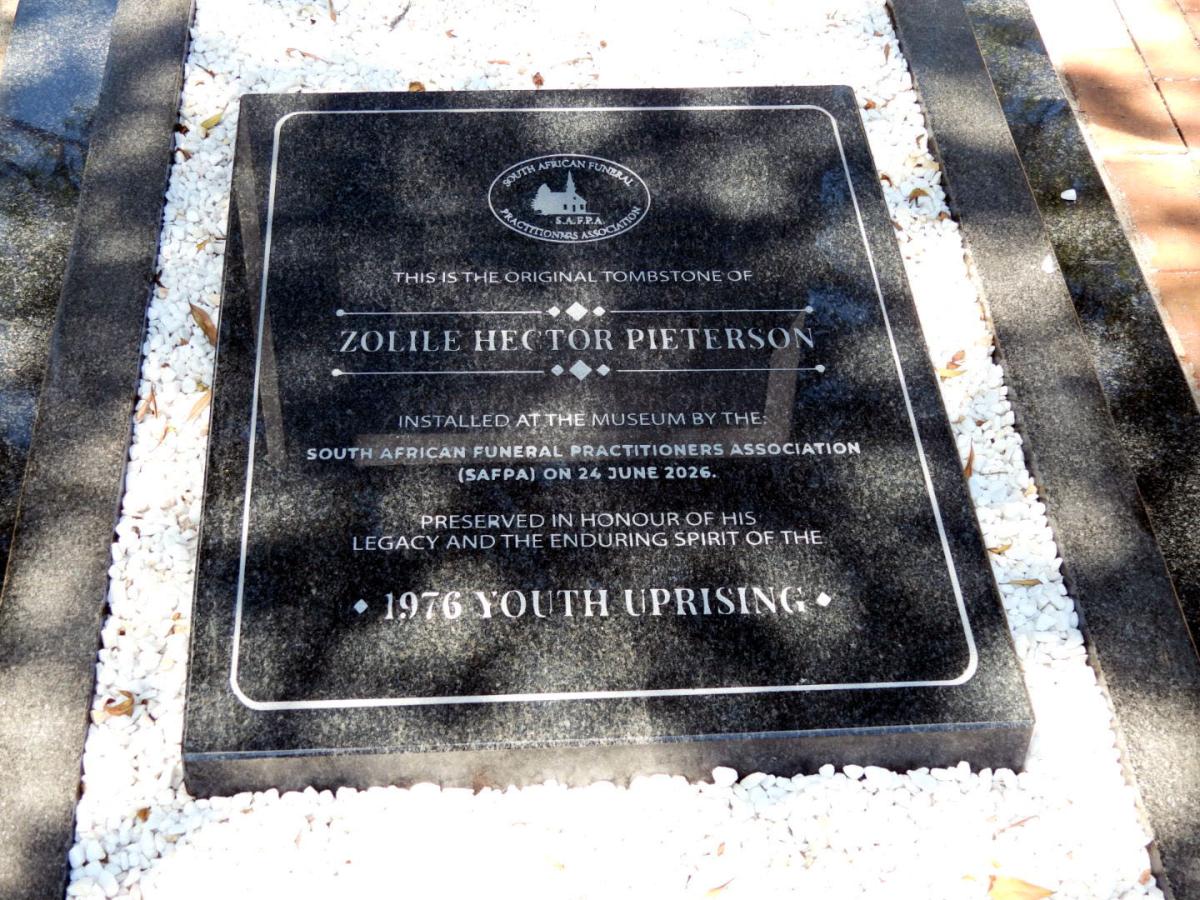
Next, we visited the Hector Pieterson Memorial. It is a monument to the Soweto Uprising, which was a series of protests and demonstrations led by Black school children against apartheid. It was here that 13-year-old Hector Pieterson was among those shot and killed on June 16, 1976, while protesting the government’s order that Black schools deliver instruction in Afrikaans, the Germanic language that evolved from the Dutch after they began colonizing the area. Antoinette Sithole, the sister of Hector Pieterson and local Sowetan, told us about the day her brother was murdered by the police, the Soweto uprising, and what life is like today in this township. Afterward, we enjoy lunch together at a local restaurant before returning to our hotel.






Victoria Falls, Zimbabwe
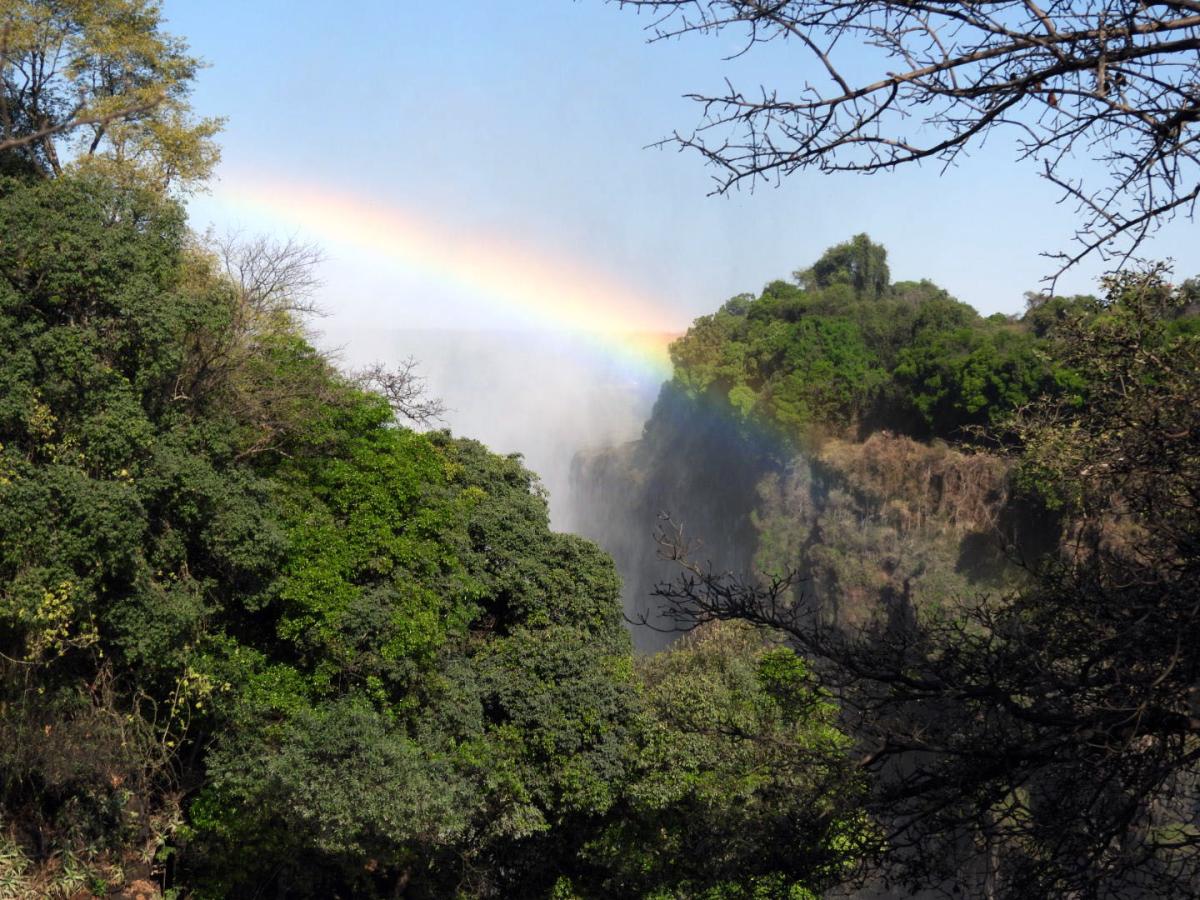
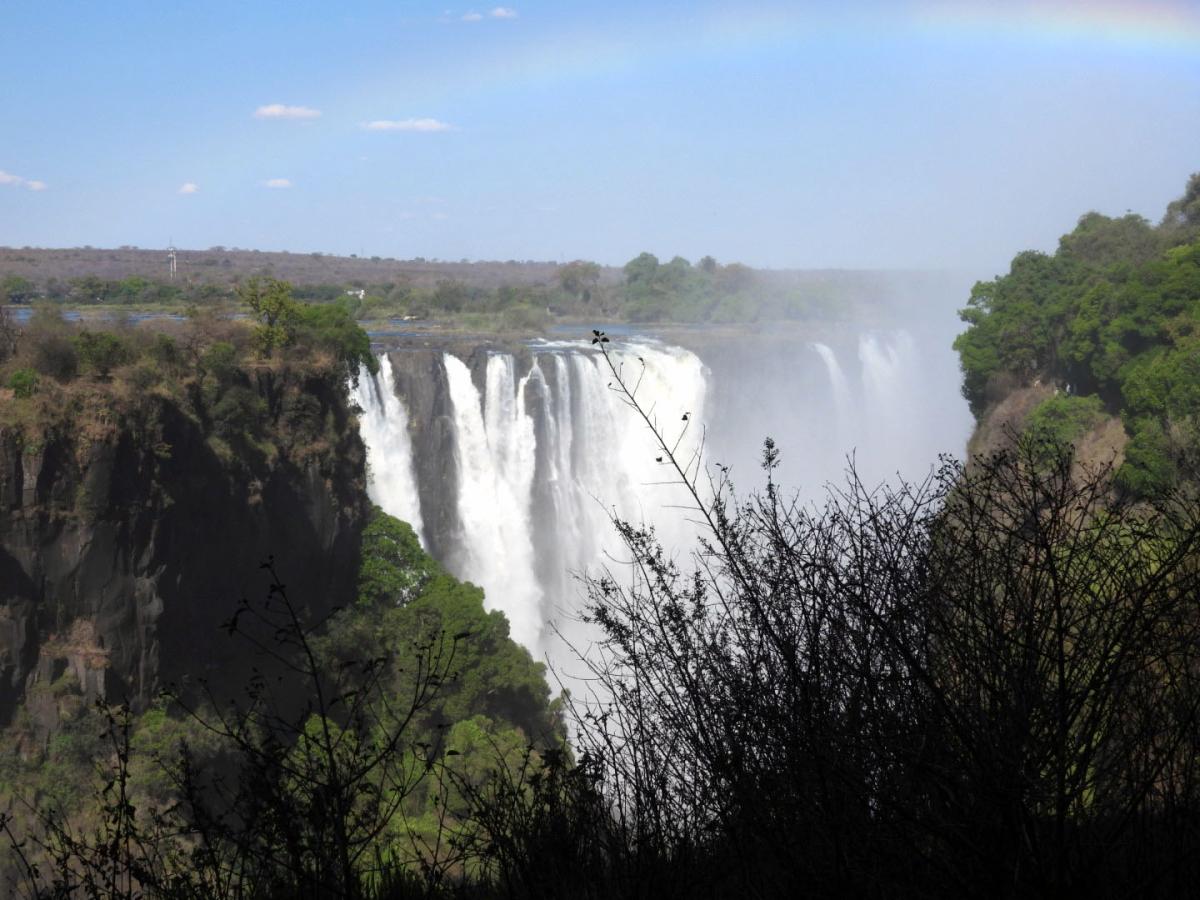
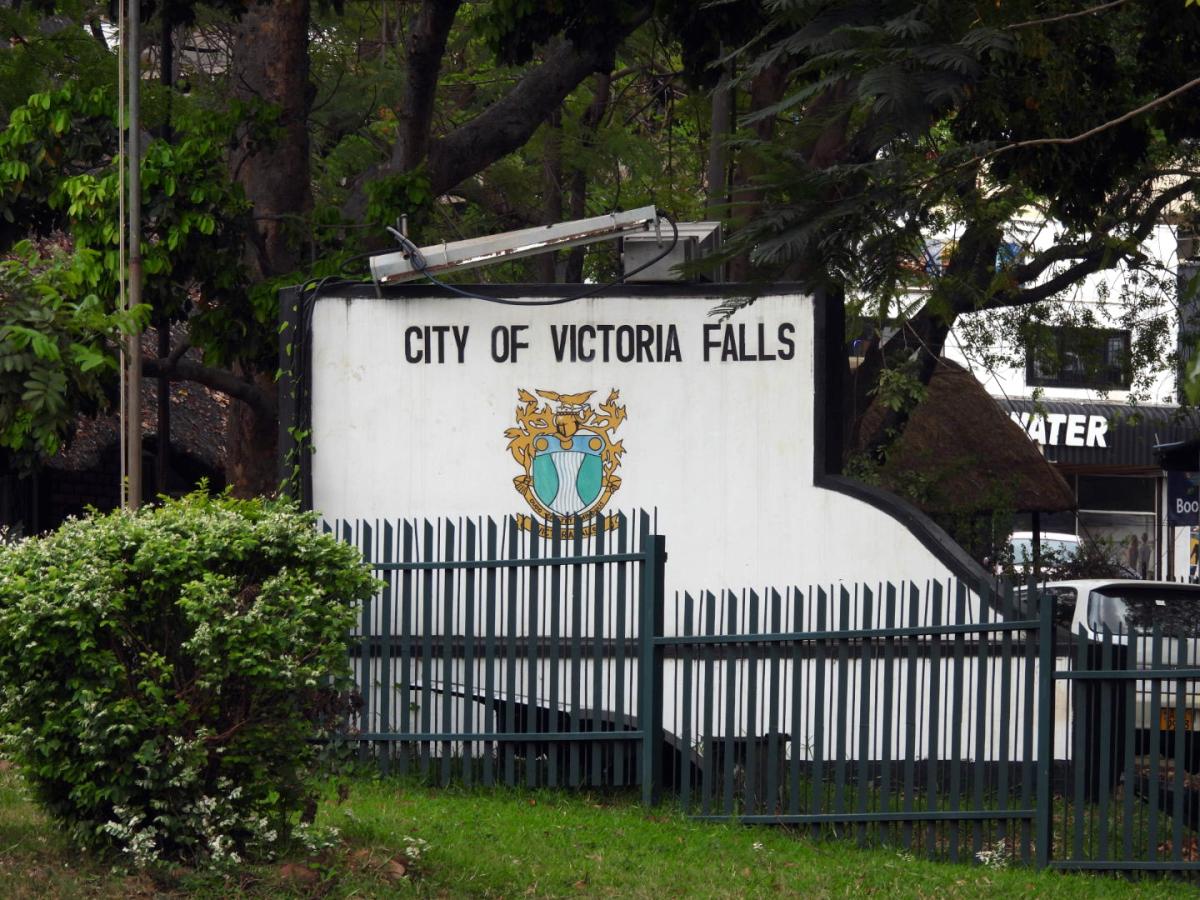
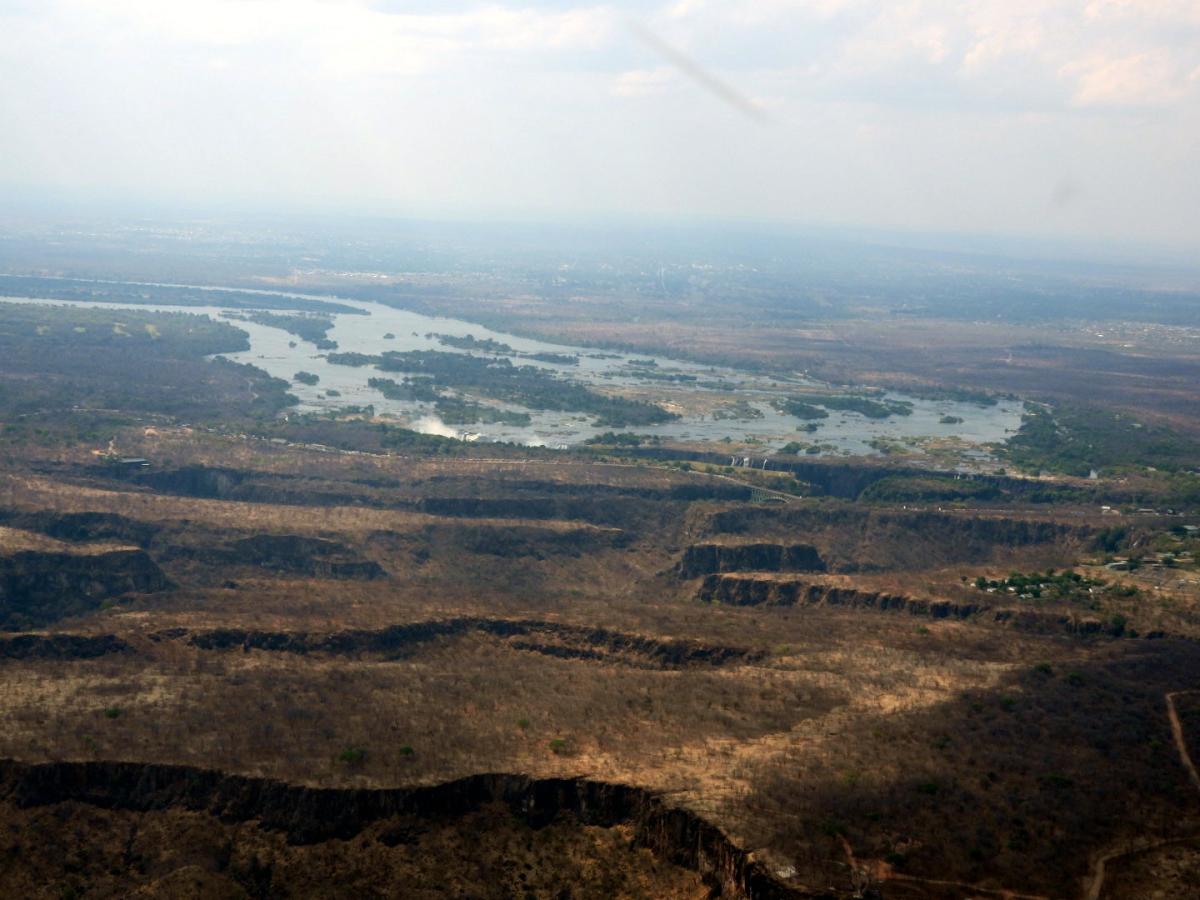
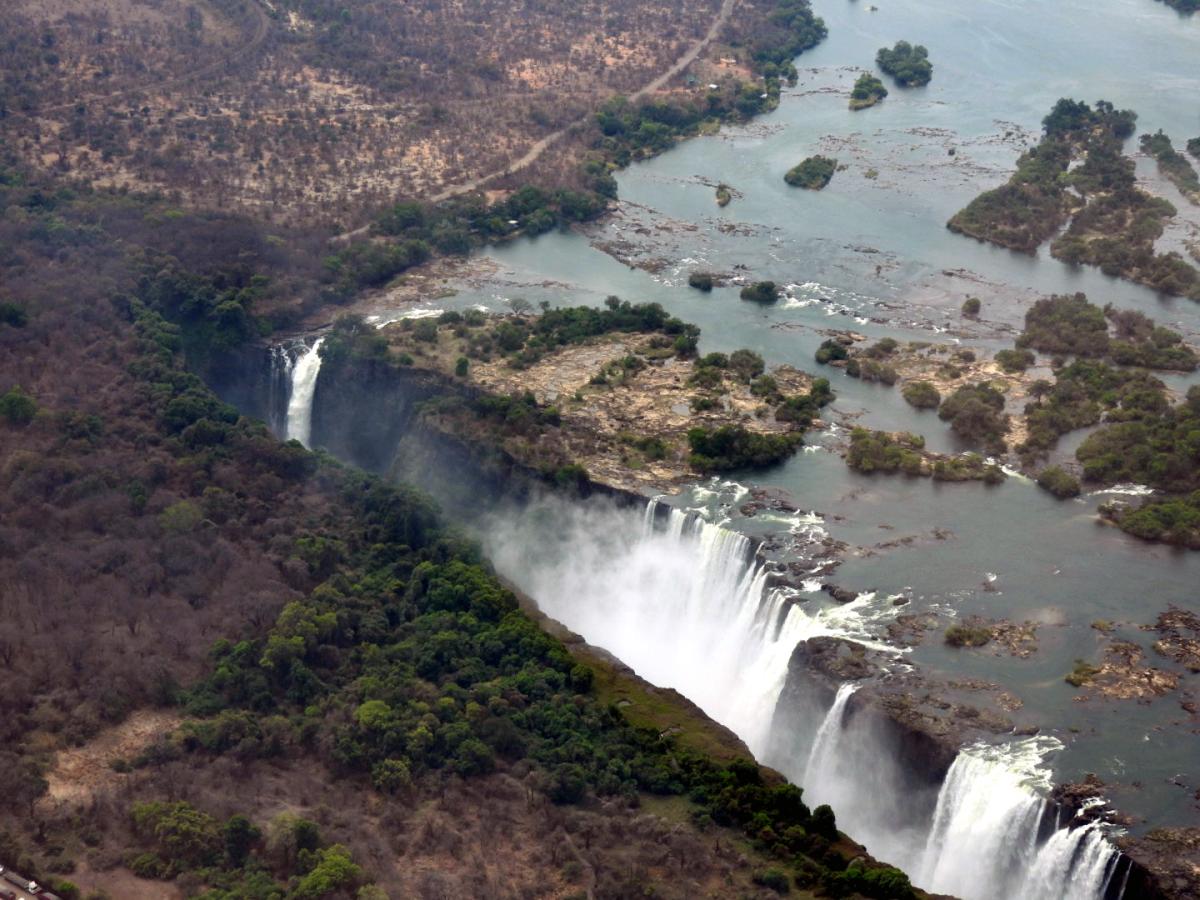
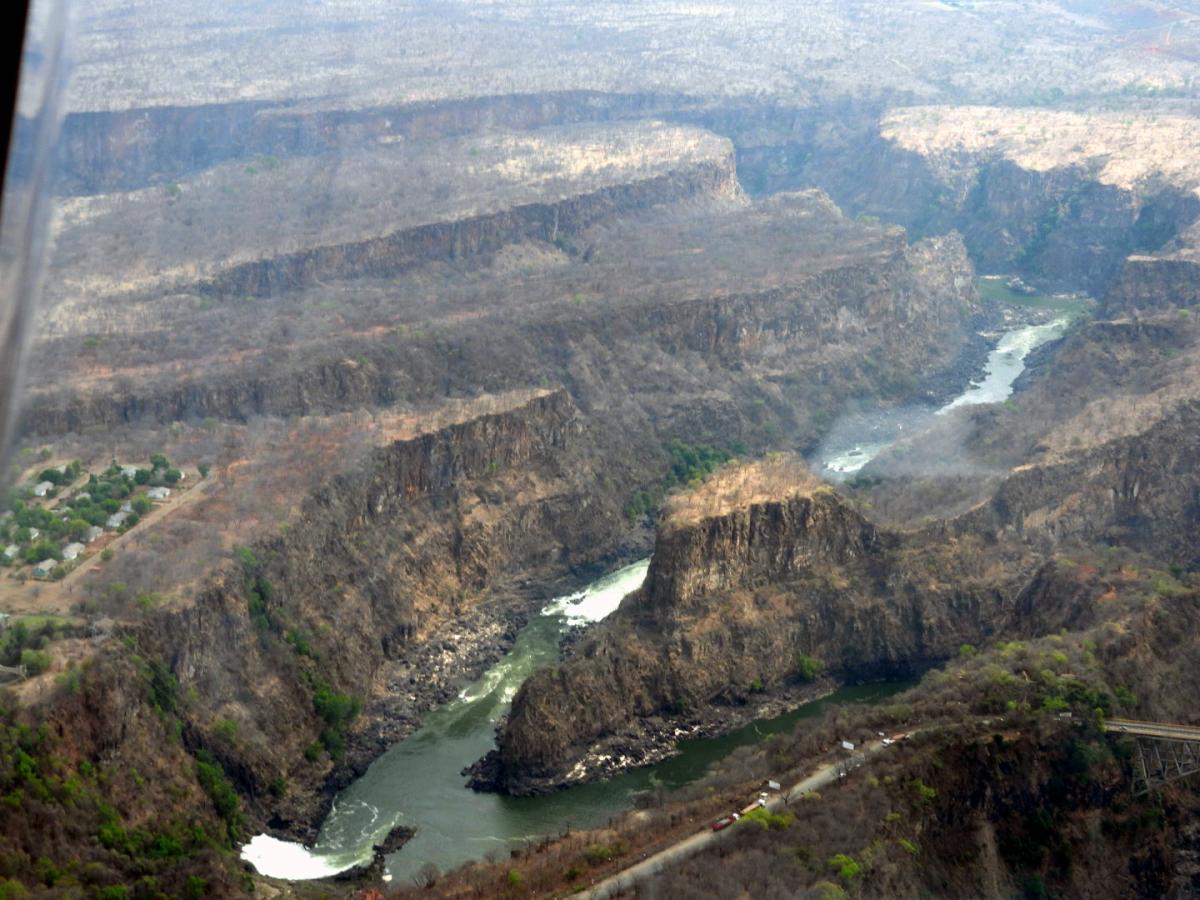
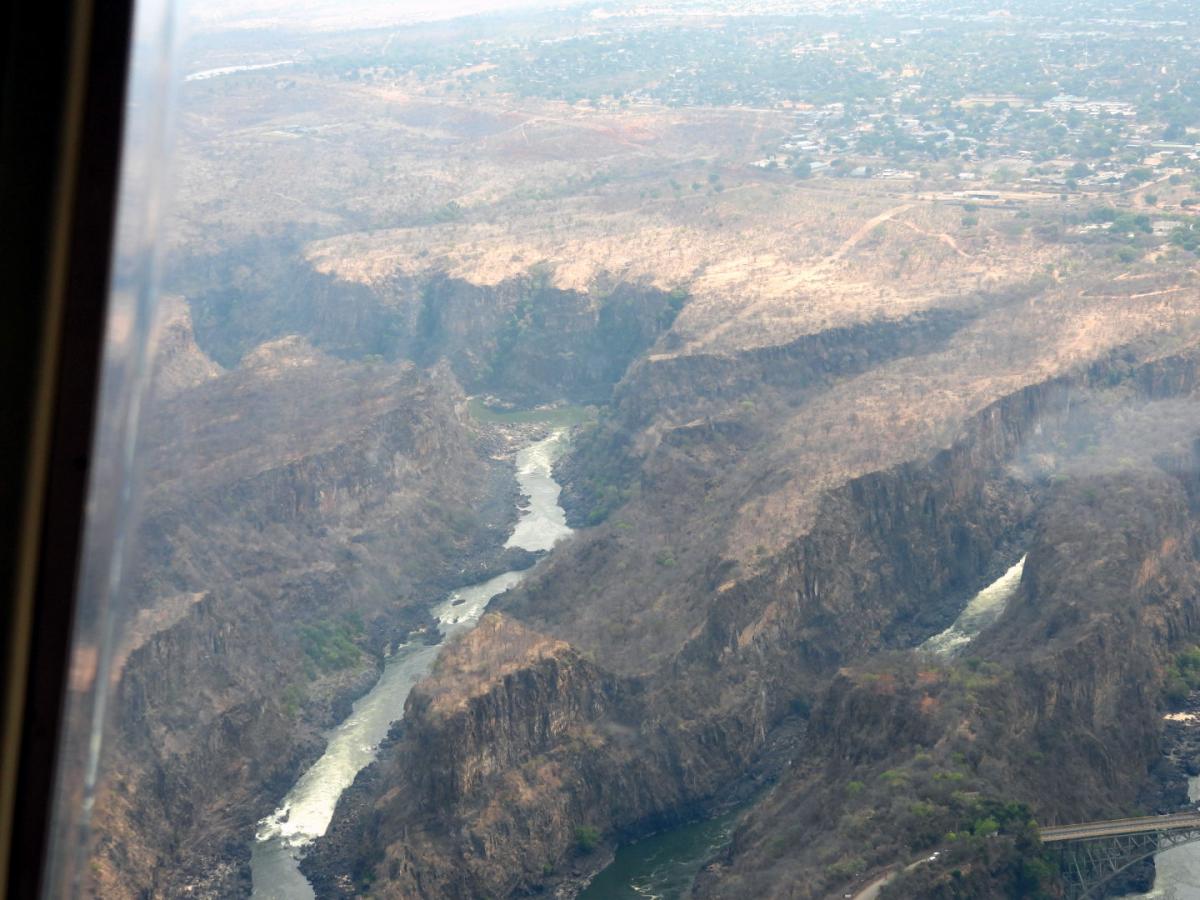
We took a flight from Johannesburg, South Africa to Victoria Falls, Zimbabwe, and arrived early in the afternoon. We boarded a motorcoach for the trip to our hotel, which sits less than two miles from the mighty Victoria Falls. With its 300-foot-deep gorge and thundering spray, Victoria Falls, known in local Kololo language as Mosioa-Tunya (the smoke that thunders), is a wonder of the natural world, especially as hippos, elephants, crocodiles, and other animals roam freely in the surrounding jungle. “Vic” Falls’ reach is higher and even more impressive than that of Niagara, as it plunges 300 feet into the Zambezi Gorge below, forming the single largest cascade of water on earth. We walked approximately three miles on paved pathways in a protected area of the falls free from wildlife, featuring unobstructed viewpoints where we had ample opportunity to take photographs. Our timing was perfect. Too much rain, and the falls are obscured by the mist they create, and too little rain, and the falls dry up. The mist creates beautiful rainbows on a sunny day.
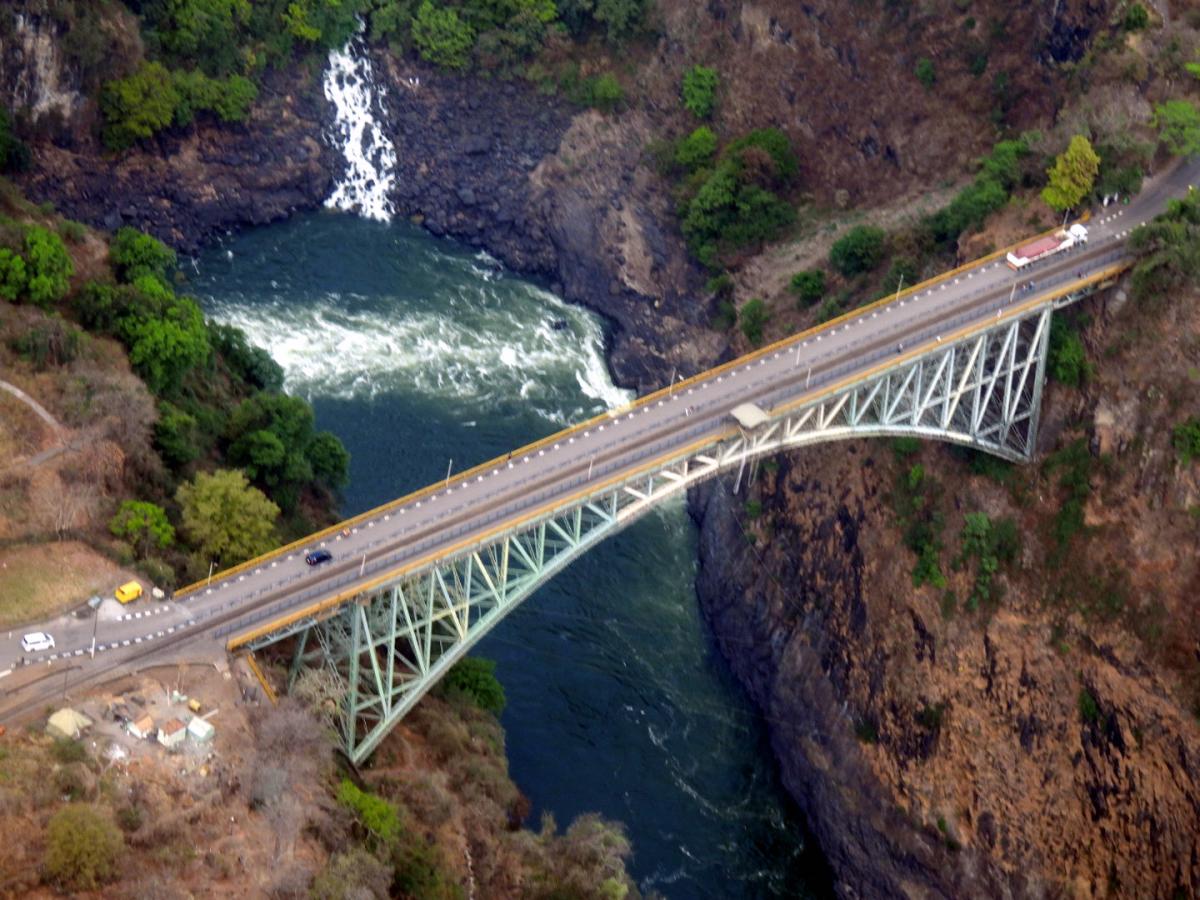
The Victoria Falls Bridge crosses the Zambezi River just below the Victoria Falls and is built over the Second Gorge of the falls. As the river establishes the border between Zimbabwe and Zambia, the bridge links the two countries and has border posts on the approaches to both ends, at the towns of Victoria Falls, Zimbabwe, and Livingstone, Zambia. The bridge is visible from the hotel. The railroad that runs from Cairo, Egypt to Cape Town, South Africa has a stop in Victoria Falls and a distance marker at the hotel.
The Victoria Falls Bridge crosses the Zambezi River just below the Victoria Falls and is built over the Second Gorge of the falls. As the river establishes the border between Zimbabwe and Zambia, the bridge links the two countries and has border posts on the approaches to both ends, at the towns of Victoria Falls, Zimbabwe, and Livingstone, Zambia. The bridge is visible from the hotel. The railroad that runs from Cairo, Egypt to Cape Town, South Africa has a stop in Victoria Falls and a distance marker at the hotel.







School visit, helicopter tour, and Zambesi River cruise
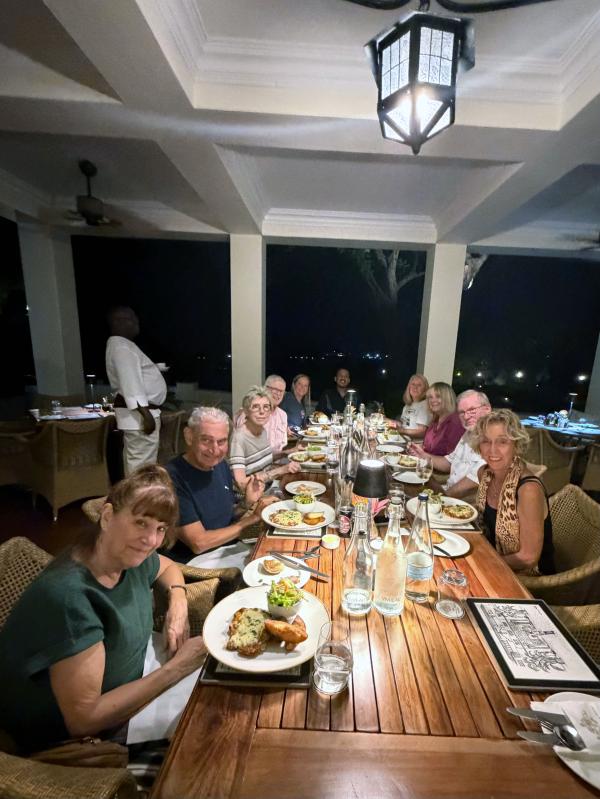
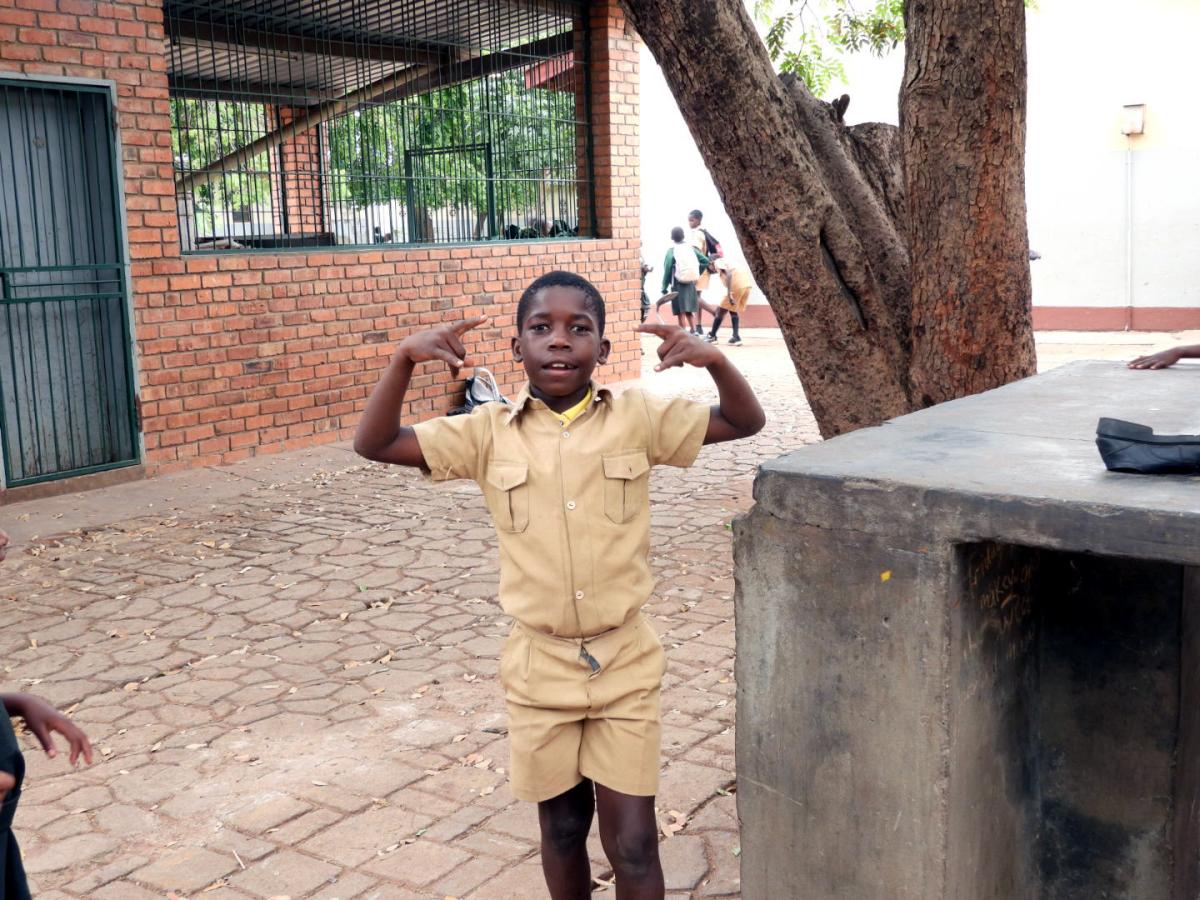
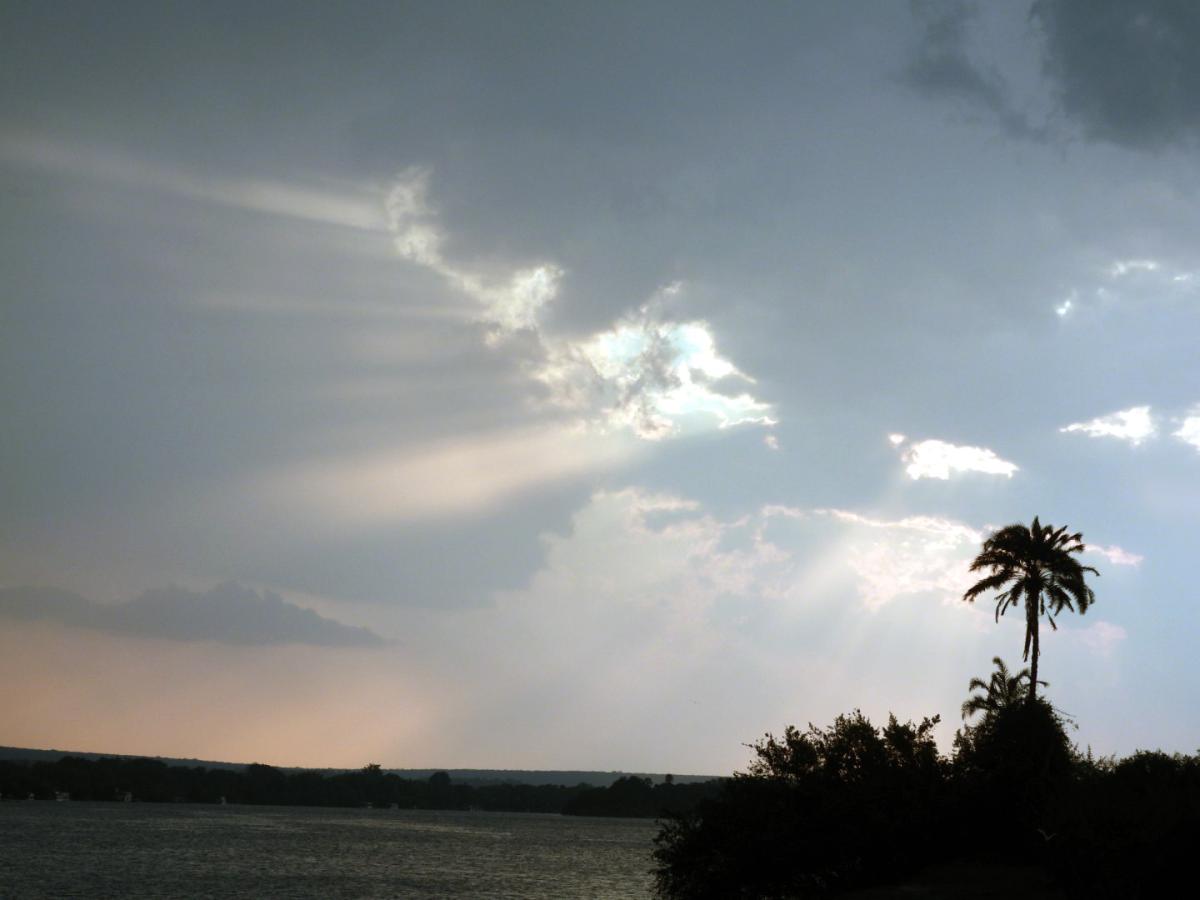
Today, we encountered local life up close on a visit to a local grade school. We met with teachers and students who treated us to a performance of traditional music and dance. Following our school visit, we spent some time walking through the town of Victoria Falls and visiting artisan shops. I had a beer at a local brewery called Three Monkeys. That afternoon, Ron took a helicopter tour of Victoria Falls. That evening, the group embarked on a "Sundowner" cruise on the mighty Zambezi River that included dinner on the river.

















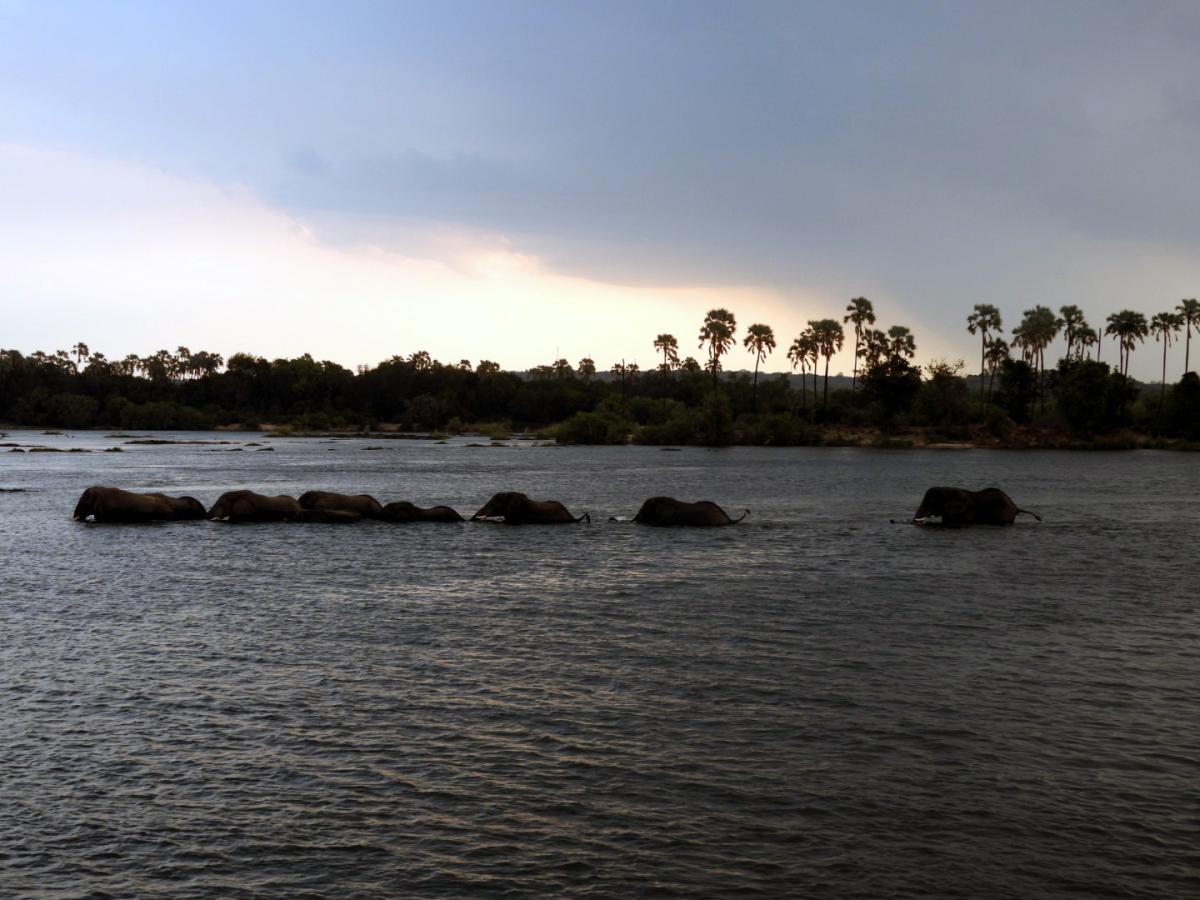


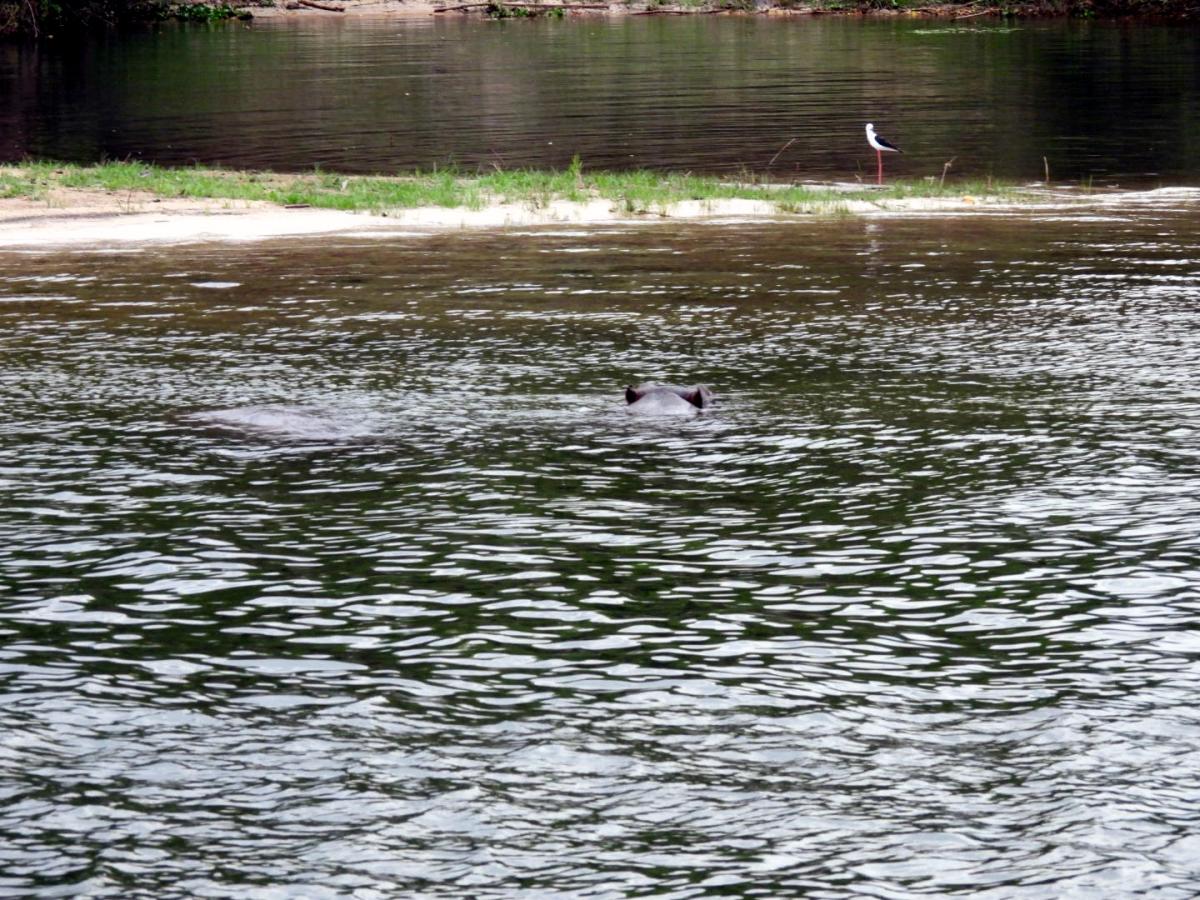


Victoria Falls Private Reserve
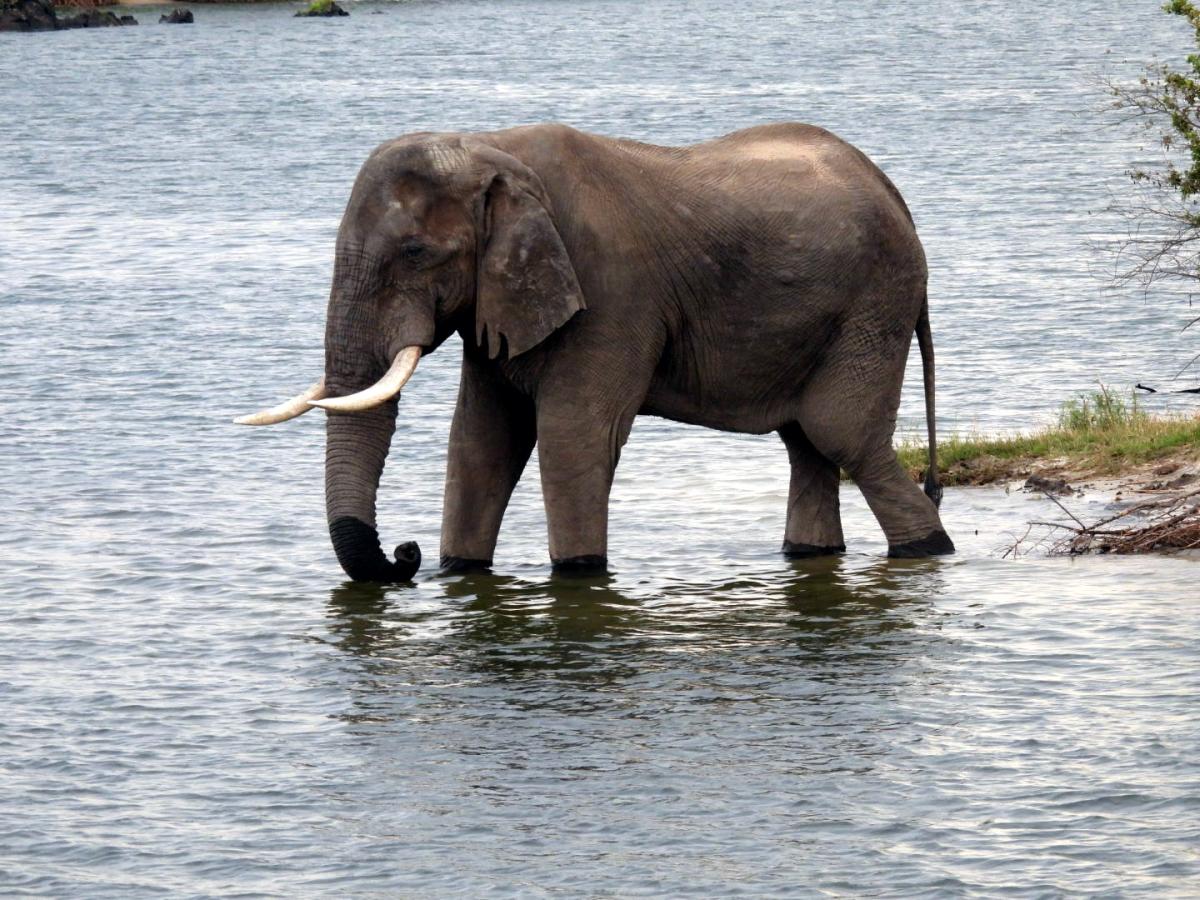
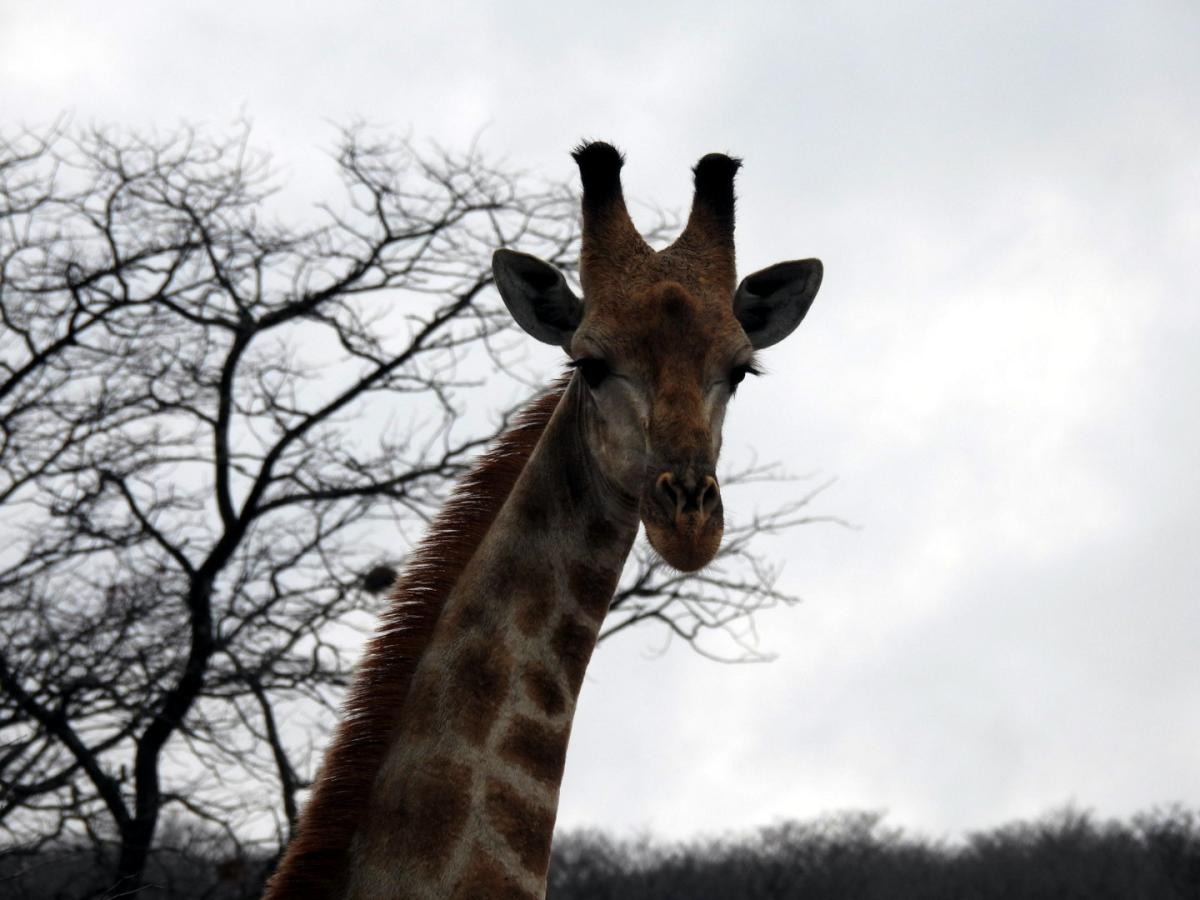
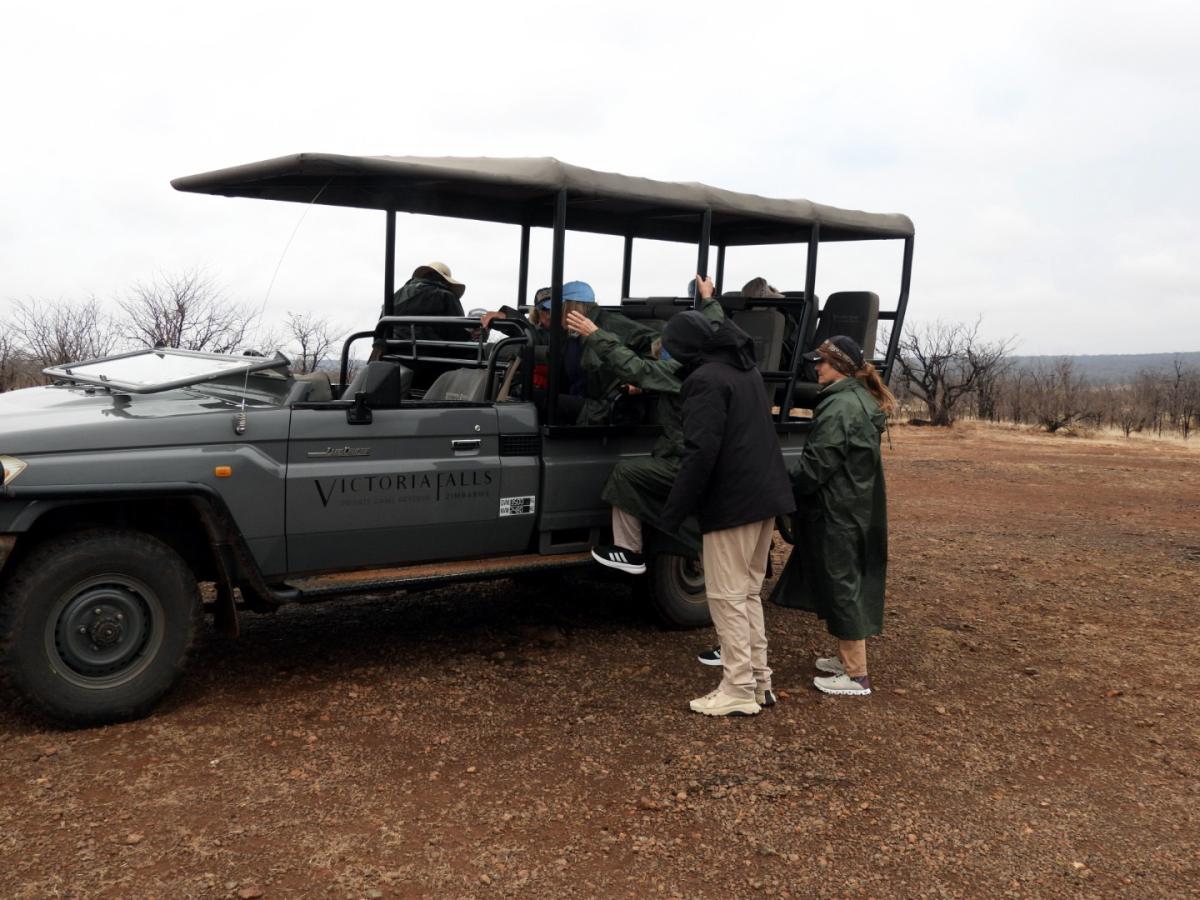
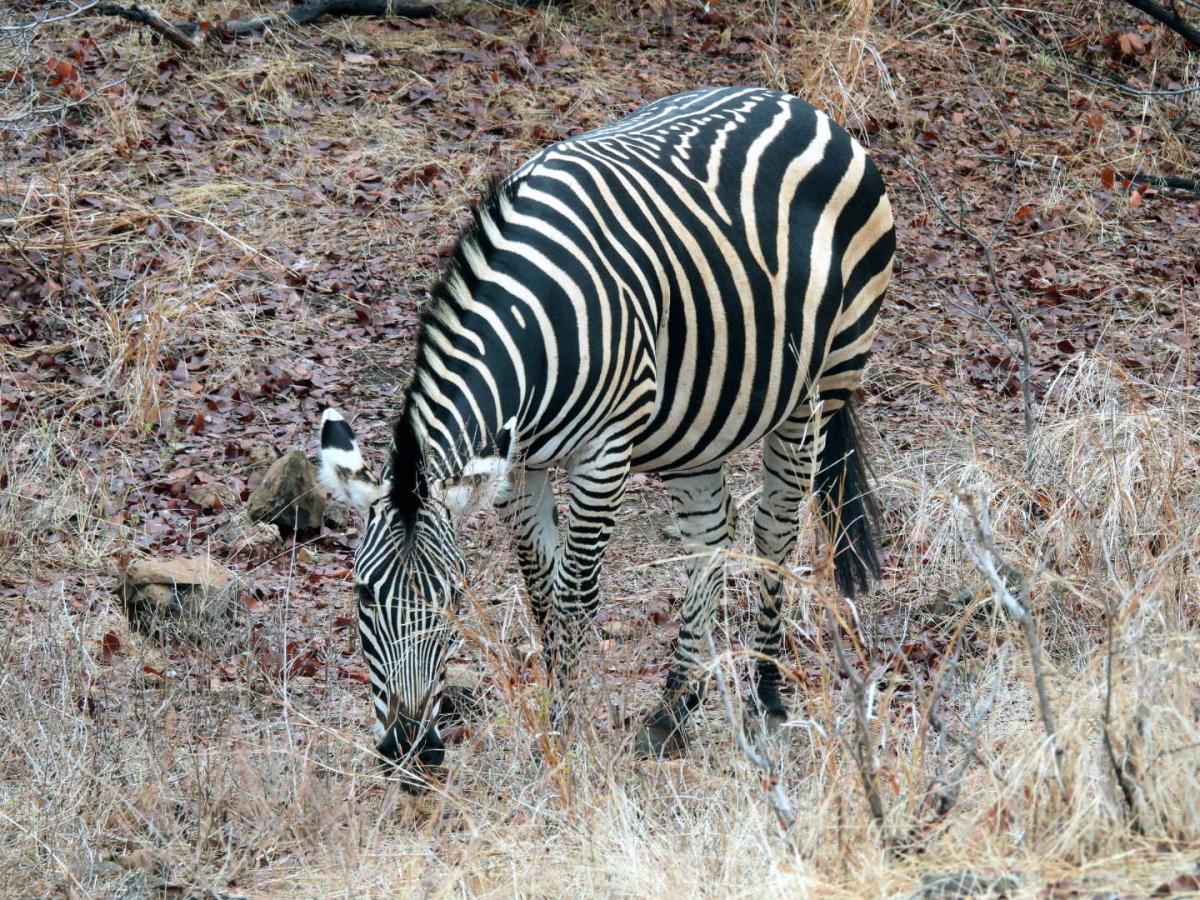
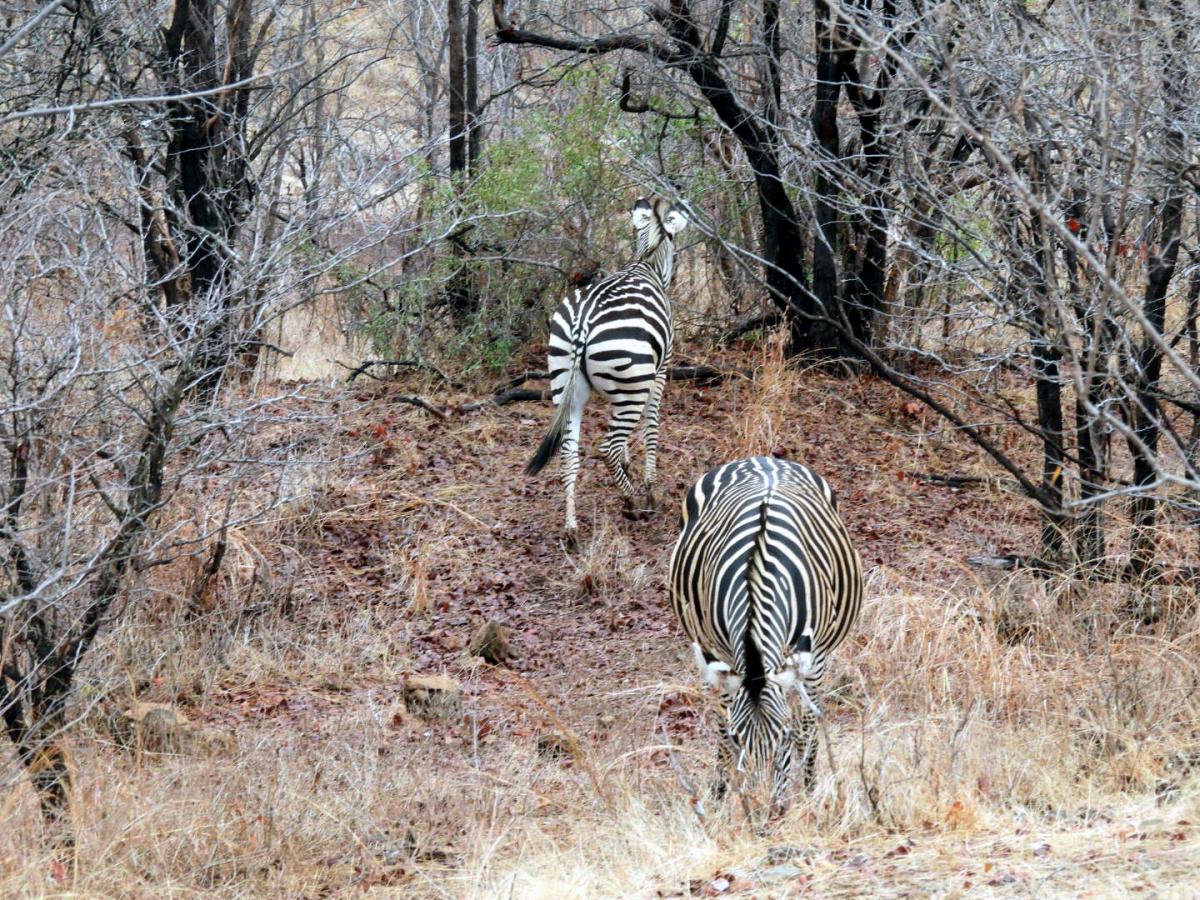
We started before dawn for a drive in open game vehicles to the Victoria Falls Private Reserve searching for the big five. In Africa, the Big Five game animals are the lion, leopard, rhinoceros, elephant, and African buffalo. The reserve has several critically endangered black rhinos. Unfortunately, we did not get to see them. A heavy rainstorm the night before and the morning of our drive obscured tracks, so our guides had to guess where they might be located. At least the rain suppressed the dust.


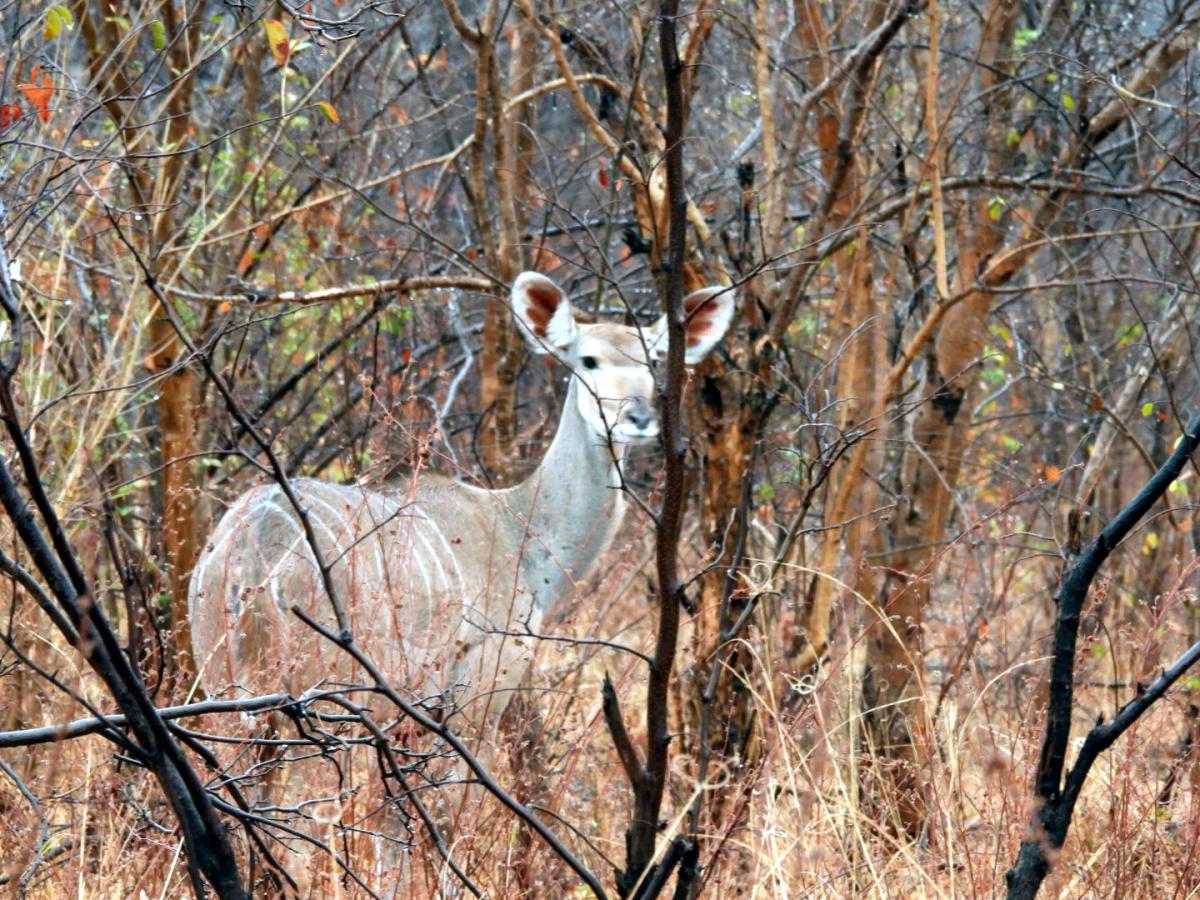







Chobe National Park, Botswana
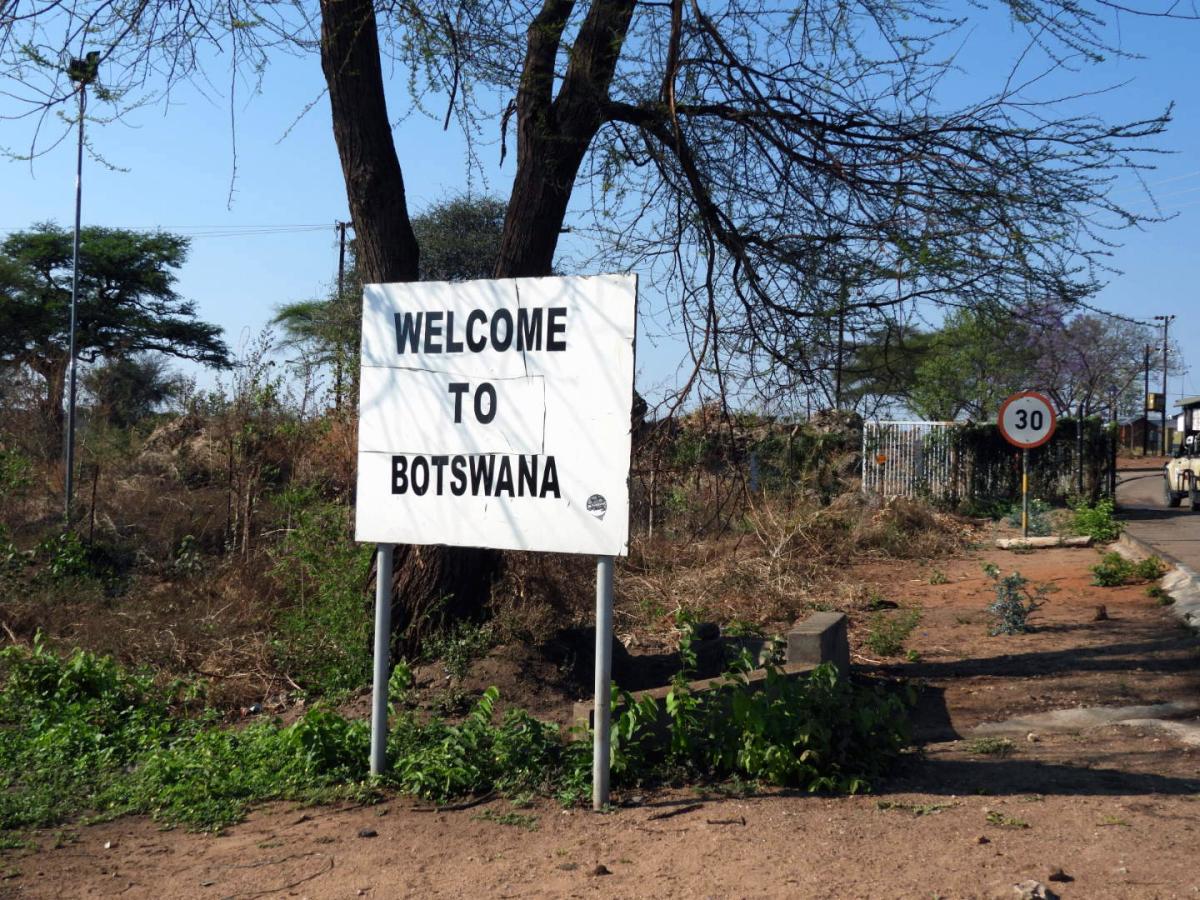
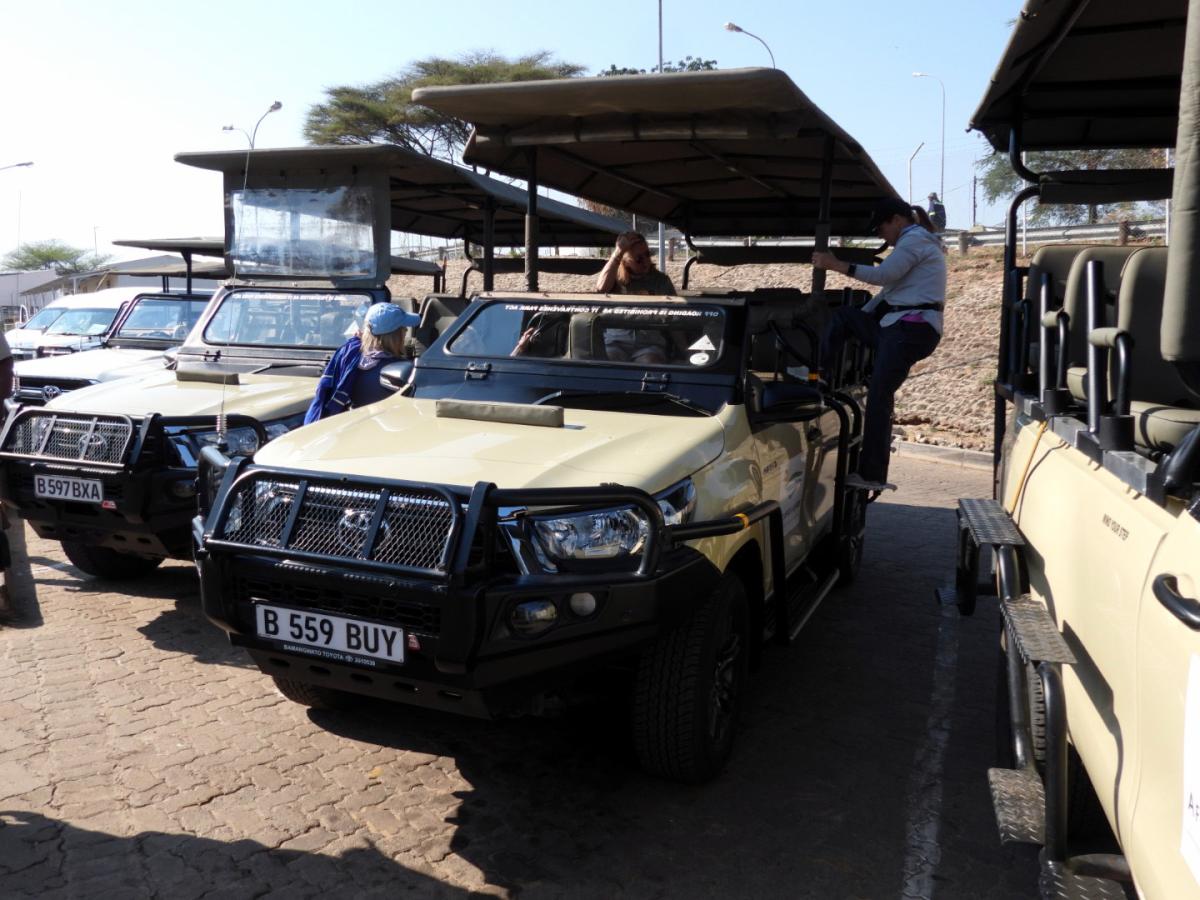
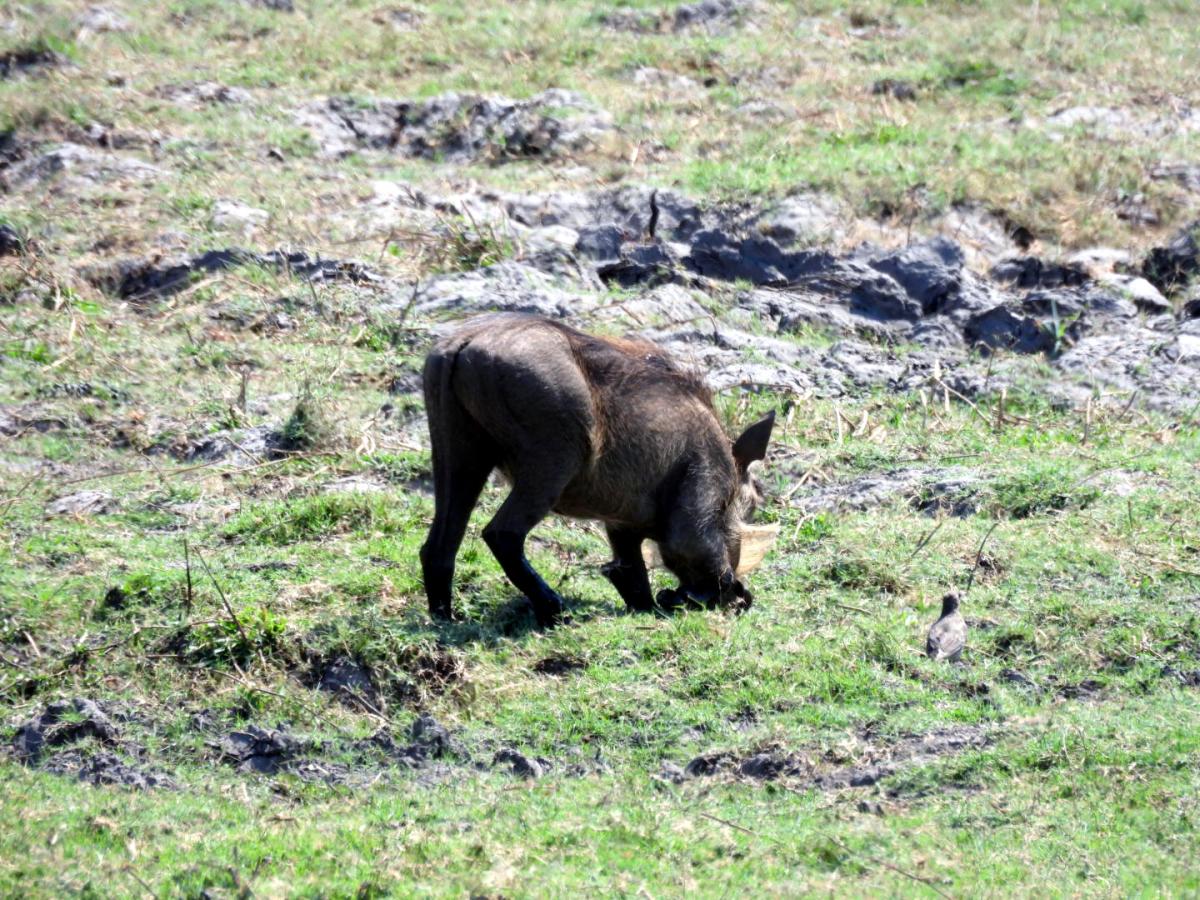
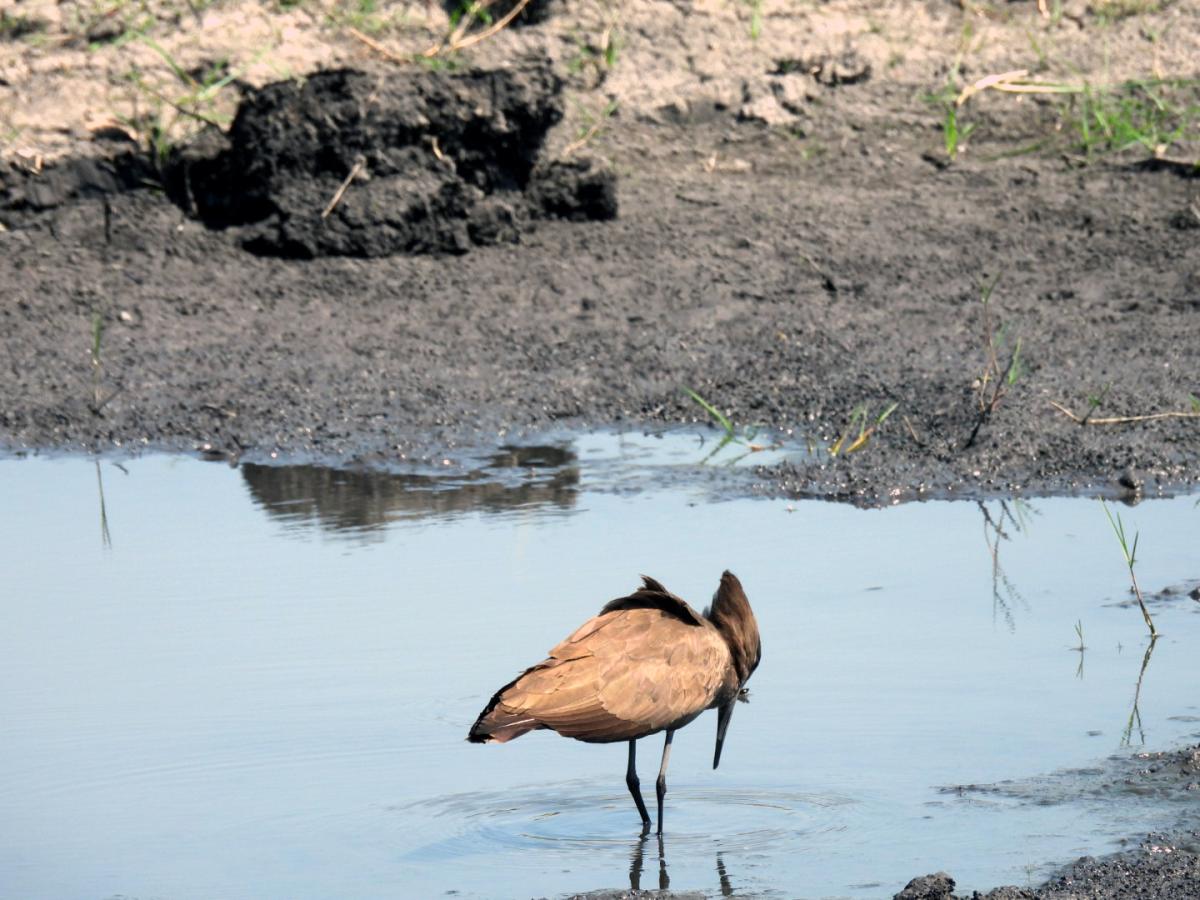
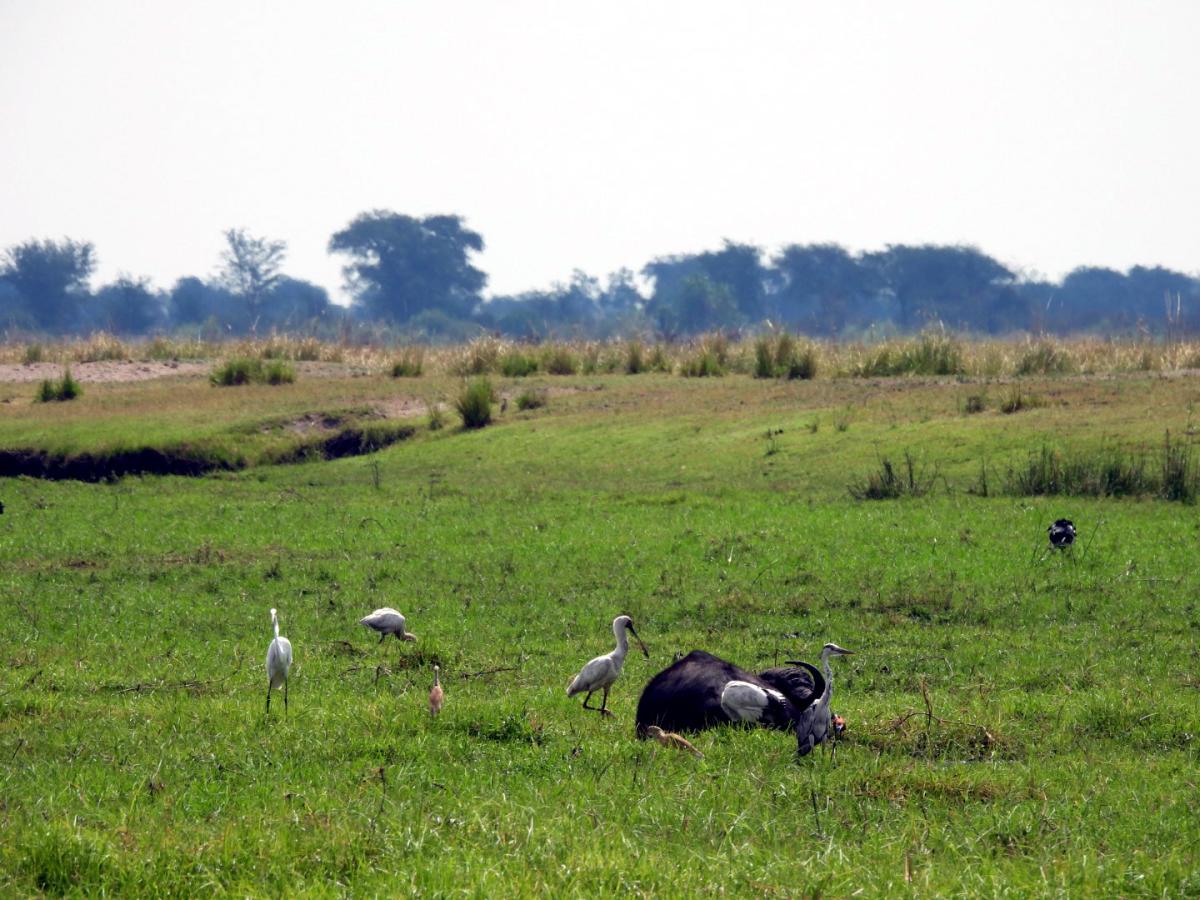
We got another early start and journeyed to the spectacular Chobe National Park in neighboring Botswana for a morning game drive. Many animals congregate along the river that runs through Chobe, we started there searching for antelope, buffalo, and hundreds of species of birds. Thanks to its varied terrain and plentiful water supply, Chobe is renowned for its predator population (including lions) as well as hippos and the rare puku, a species of antelope indigenous to the area. Chobe is also home to the world’s largest elephant population (some 120,000). We enjoyed lunch in Botswana before taking an afternoon game cruise through this exceptional reserve.










Windhoek, Namibia
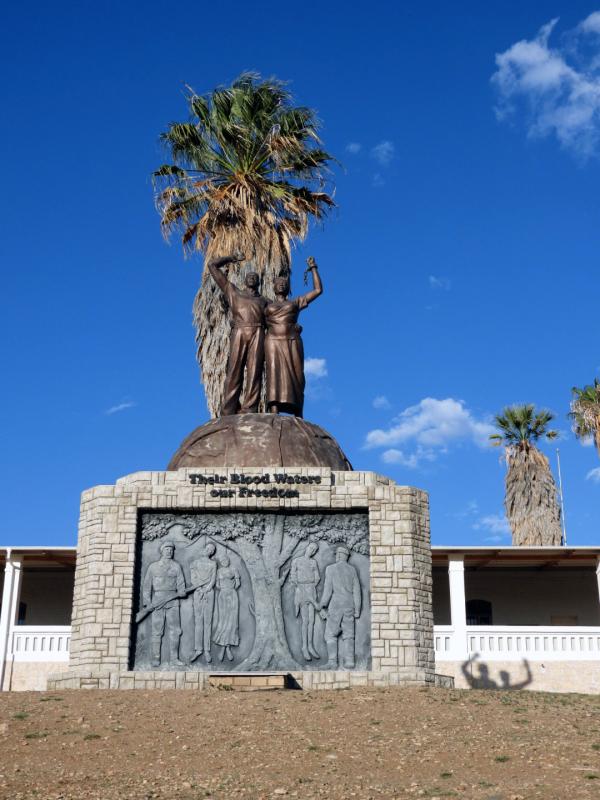
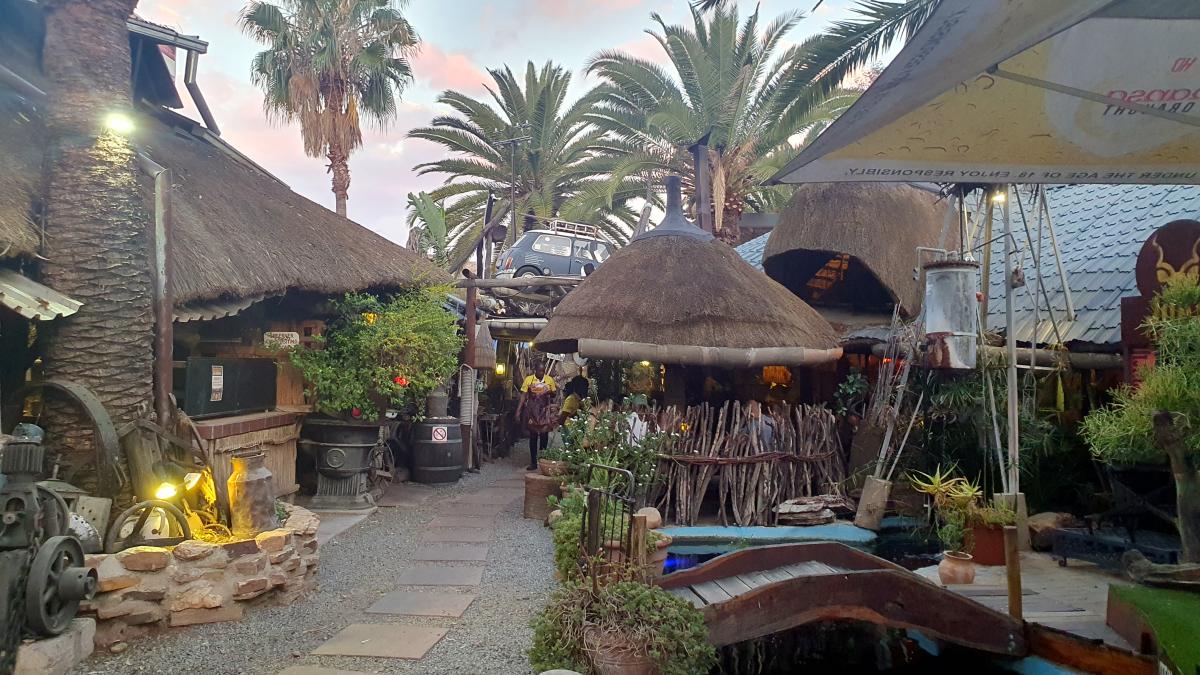
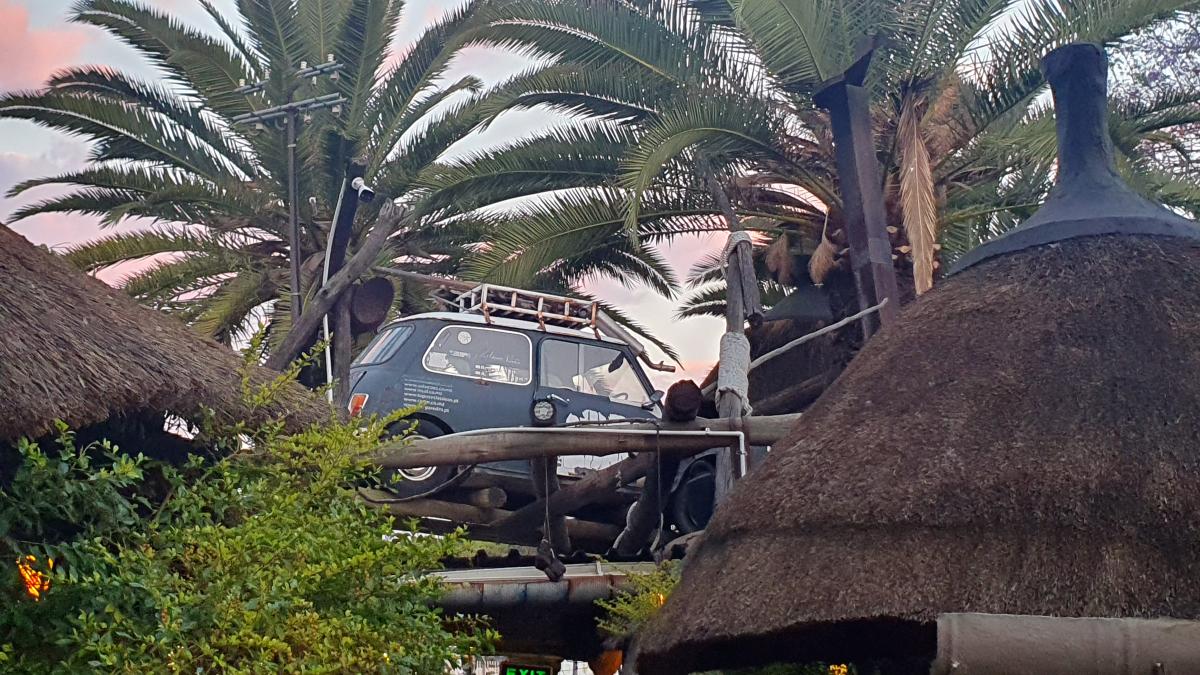
We boarded another airplane for the trip from Victoria Falls, Zimbabwe to Windhoek, the capital city of Namibia. Windhoek’s German-influenced capital and the country’s largest city (pop. 461,000). With just over 2.5 million inhabitants in an area some 25% larger than that of France, Namibia has the world’s second lowest population density. This was a stopover on our way to the Namib Desert. We took a brief bus tour of the city before stopping for dinner at a very interesting local restaurant.





Namib Dessert and Sosusvlei
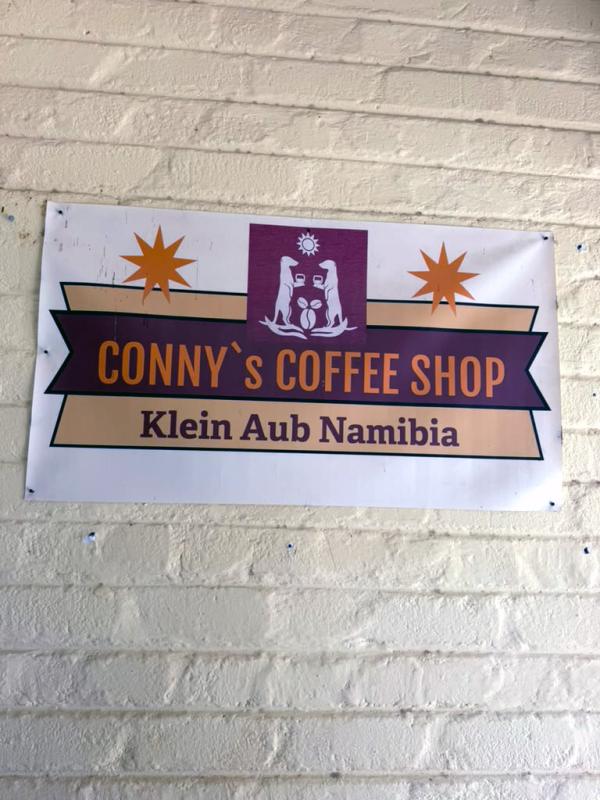
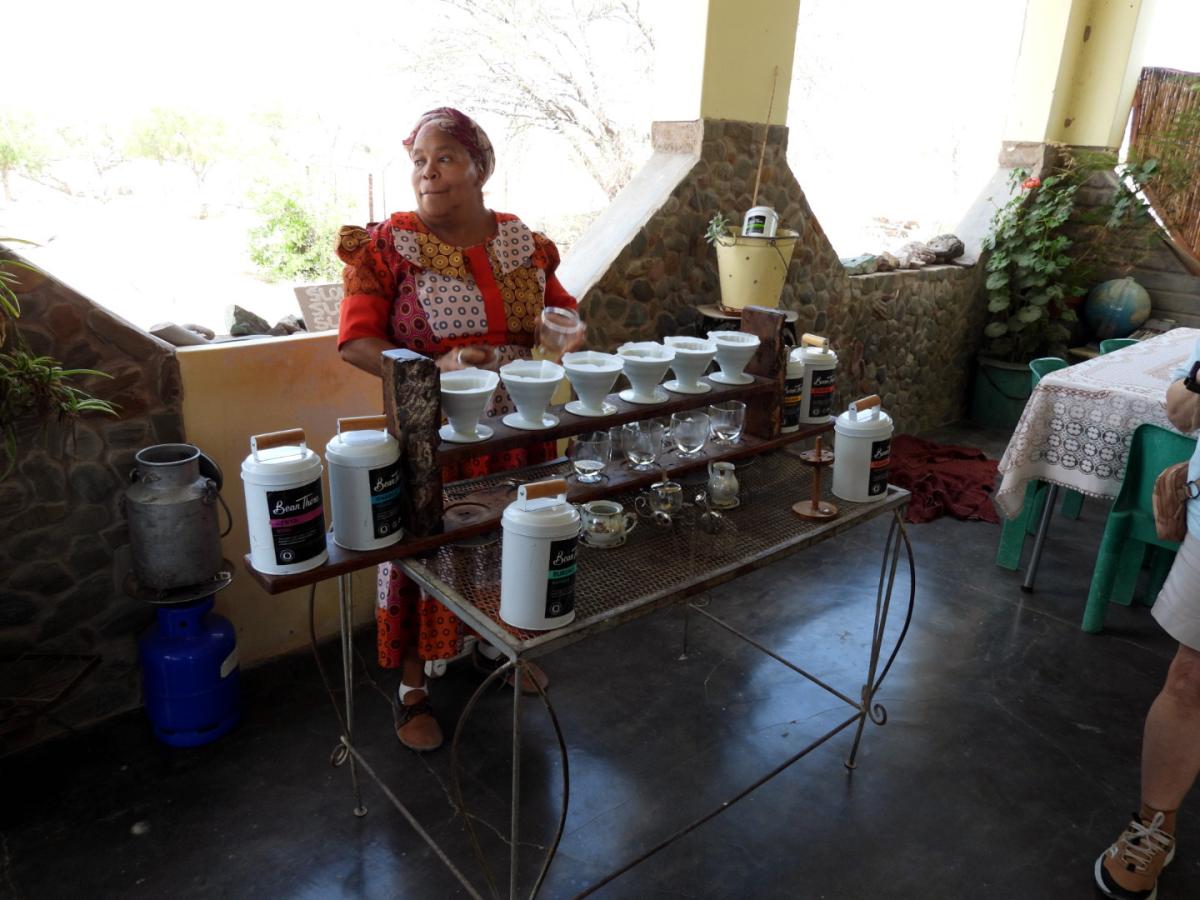
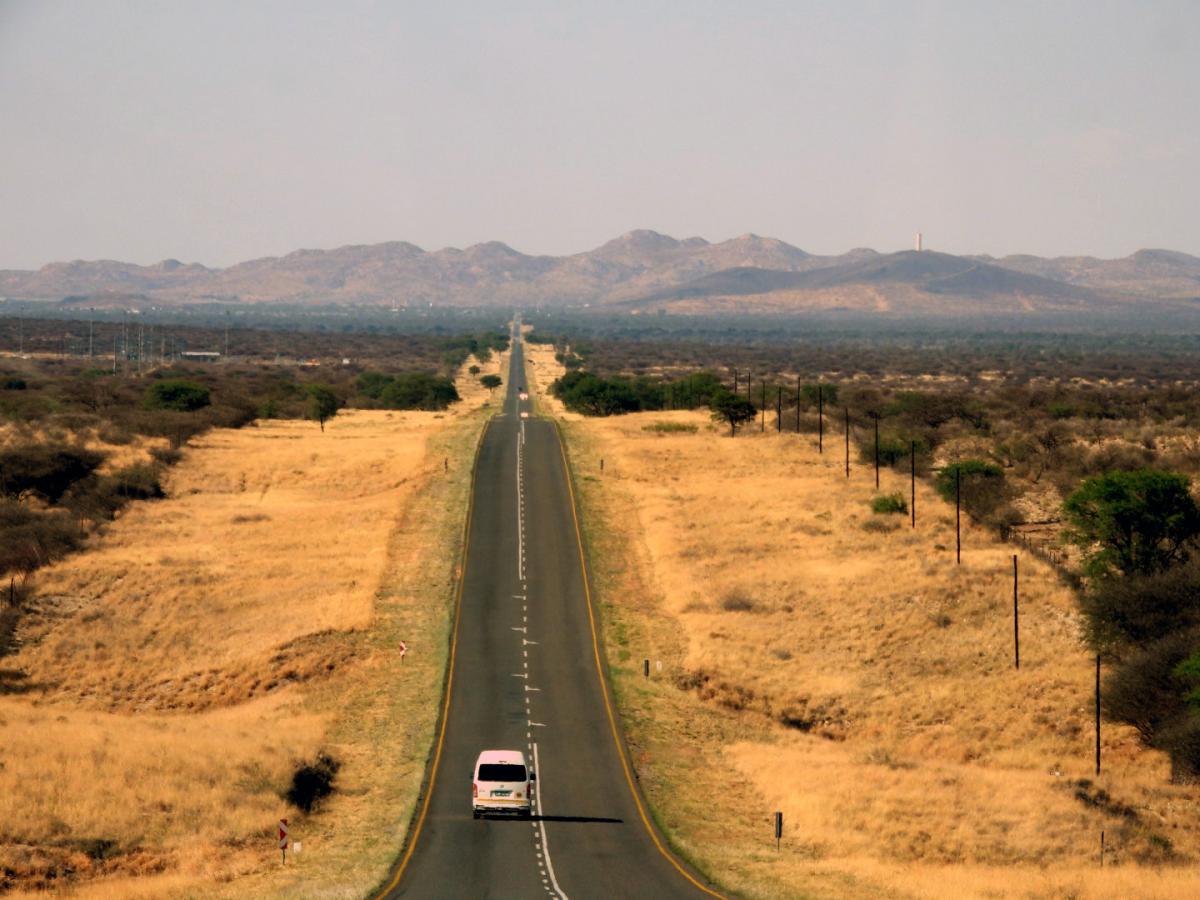
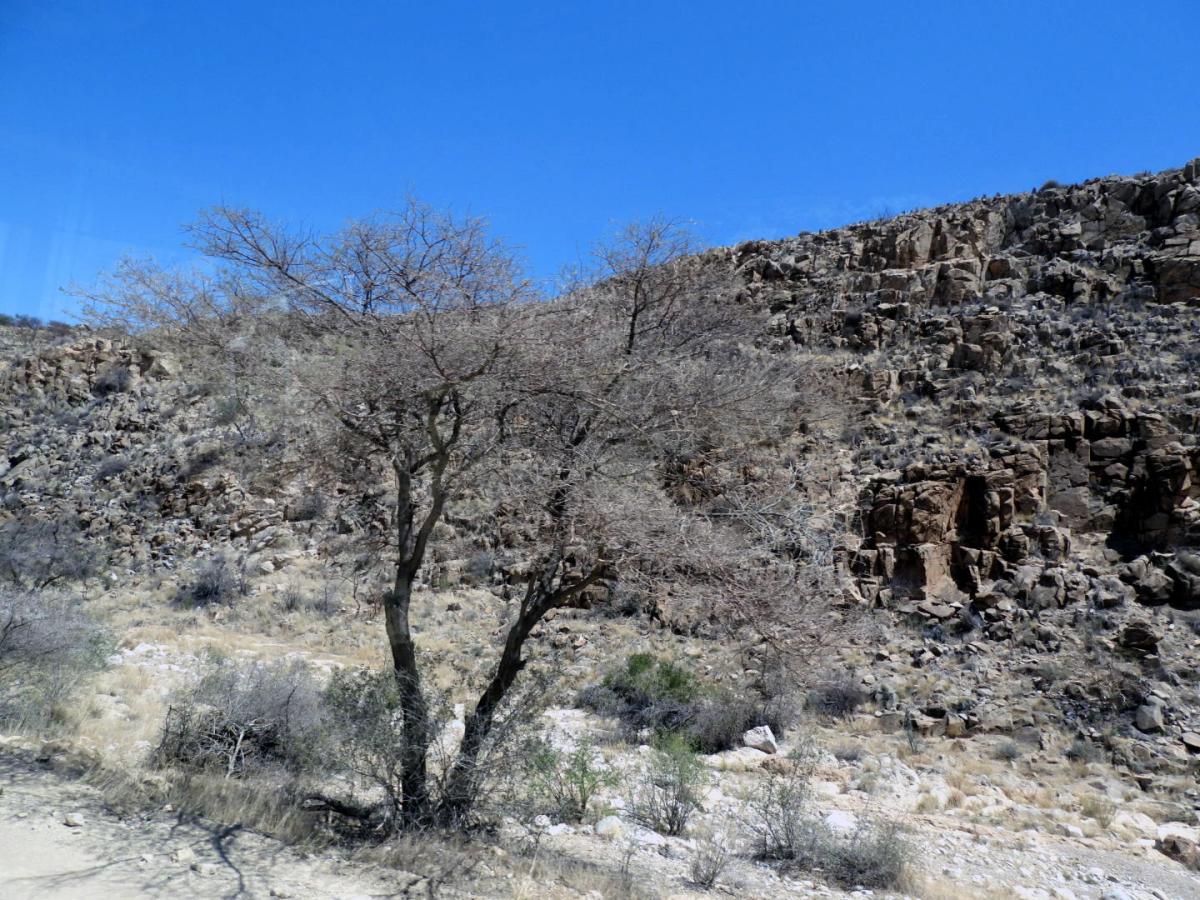
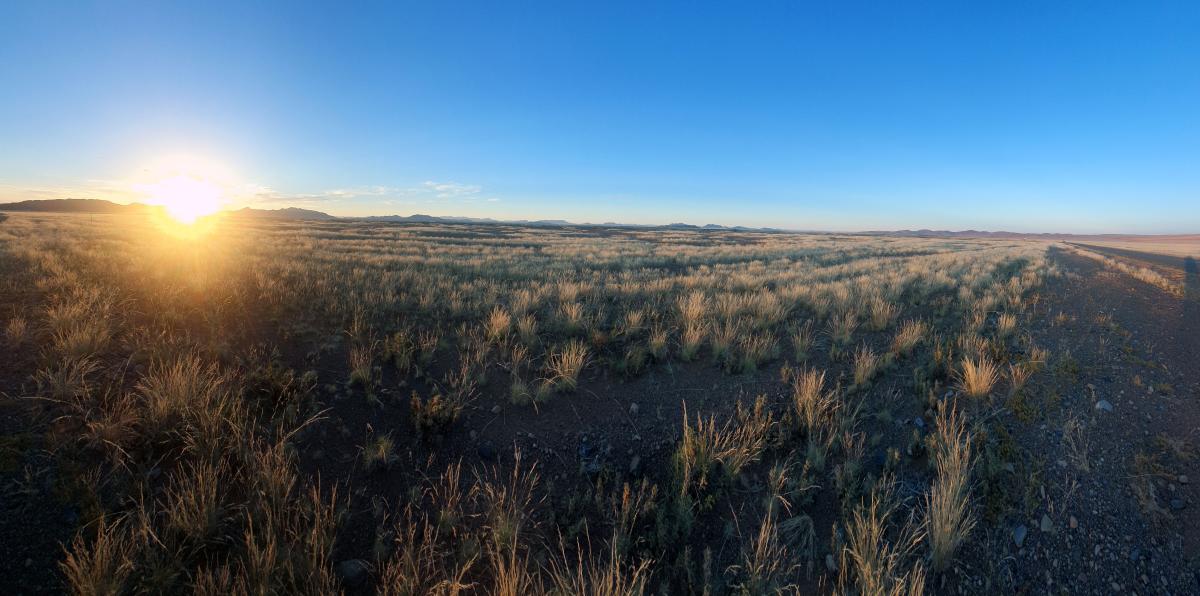
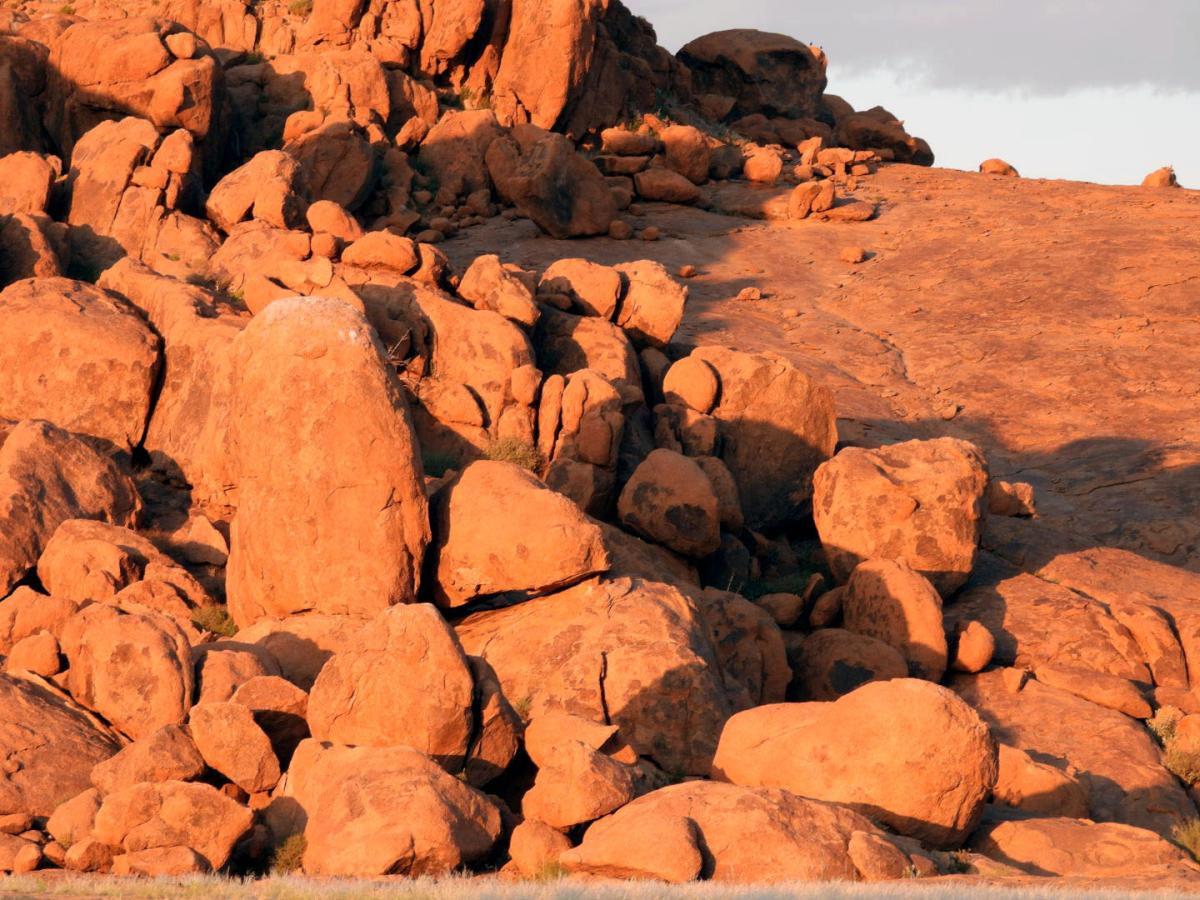
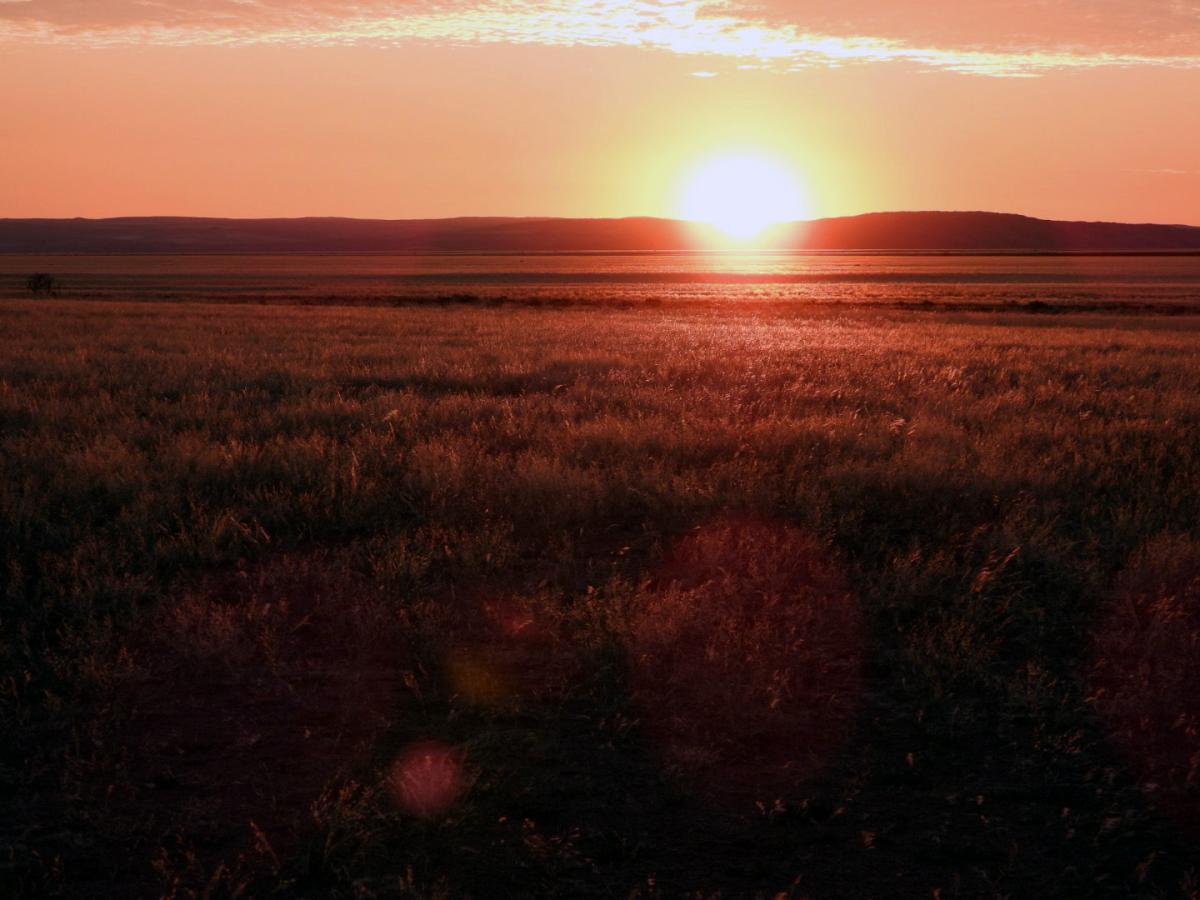
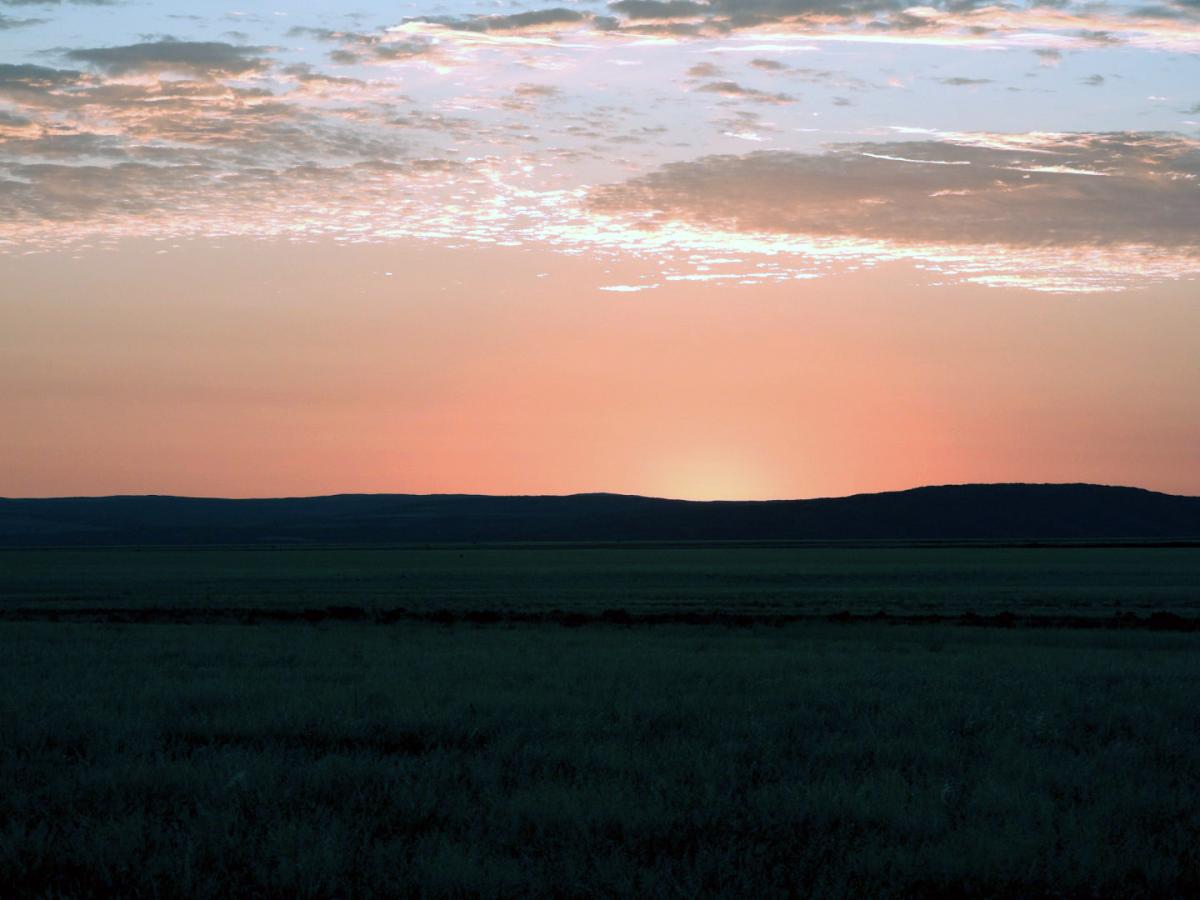
We took a long motorcoach ride from Windhoek through the Namib Desert to Sosusvlei, mostly over gravel and dirt roads. Our travels took us through vast gravel plains and giant sand dunes that rise more than a thousand feet high. Though Namibia is one of the youngest of the African nations (as it only became a nation in 1990), the Namib Desert is over 130-million years old. We traveled to the Central Namib, which stretches for some 700 miles along the coast and is covered with giant dunes, which each support tiny ecosystems. These ecosystems get their water from the fog that rolls in off the ocean. We stopped for a quick lunch en route to the western part of this scenic country. We also stopped for coffee, muffins, and ice cream at Connie's Coffee Shop. Connie's muffins are baked in his solar oven. We reach our lodge that afternoon. We dined that night on the open patio in the heart of the Namibian desert, a kaleidoscope of color and mesmerizing sands, which are at their most breathtaking during sunrise and
sunset.









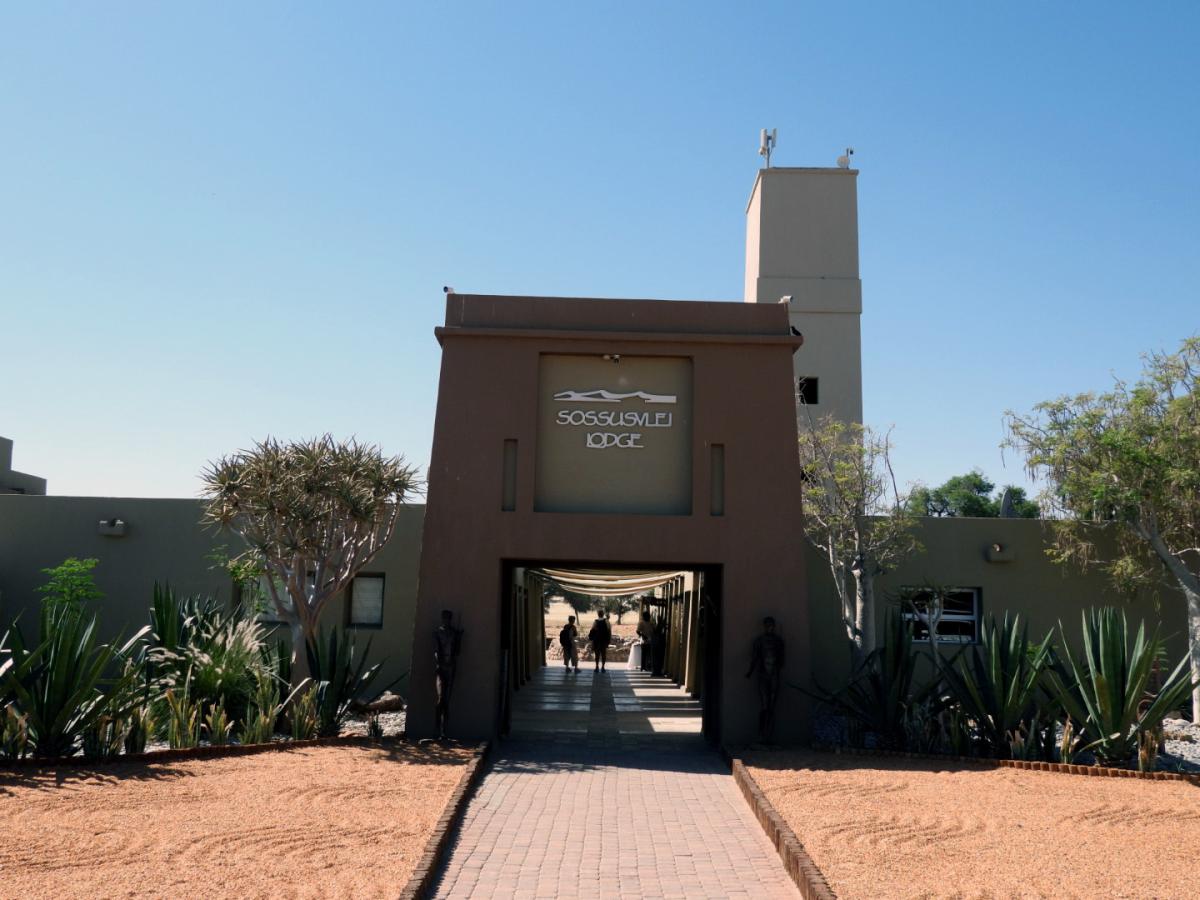


Namib Dessert
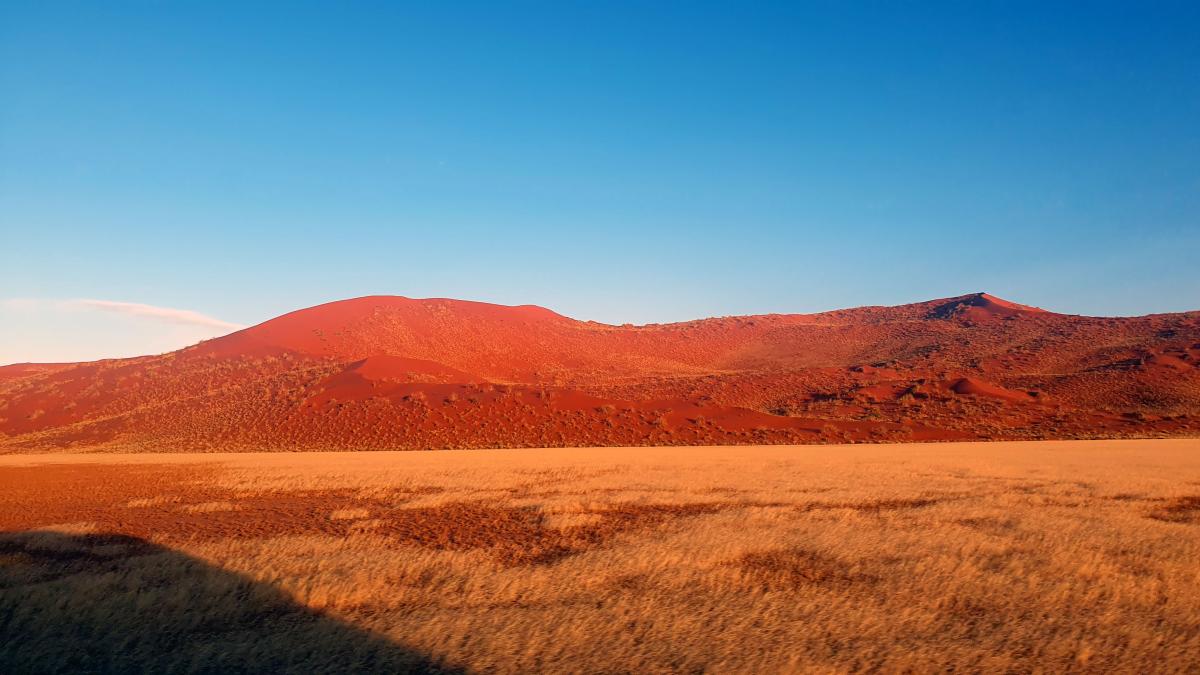
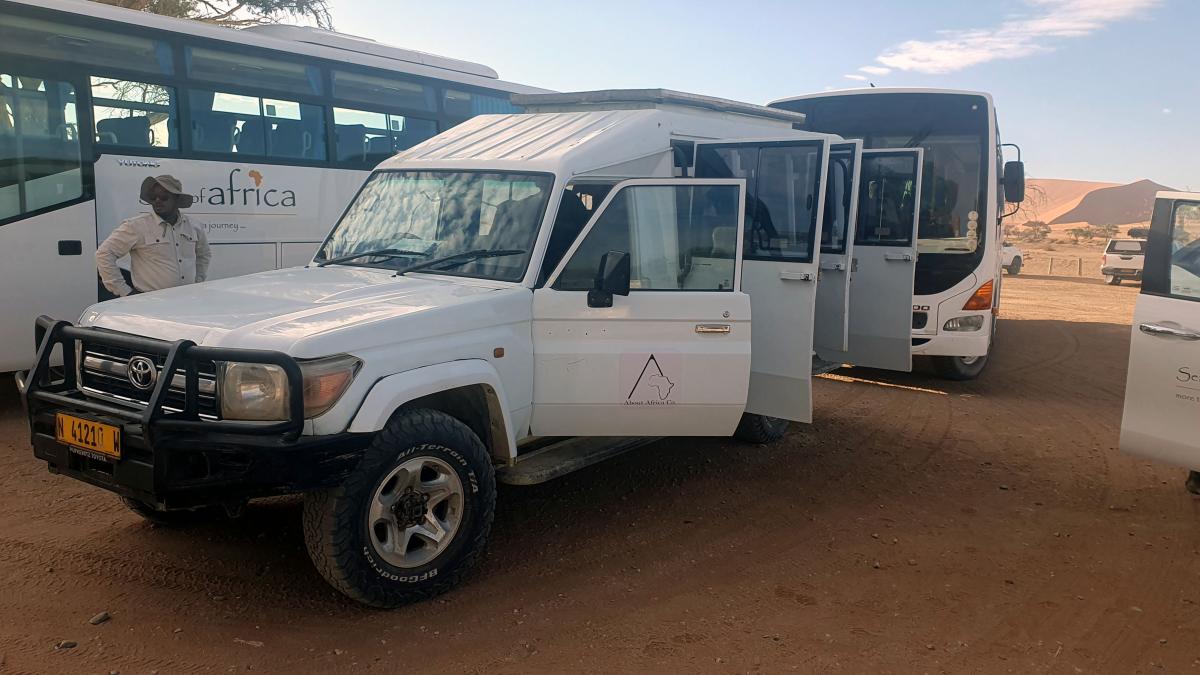
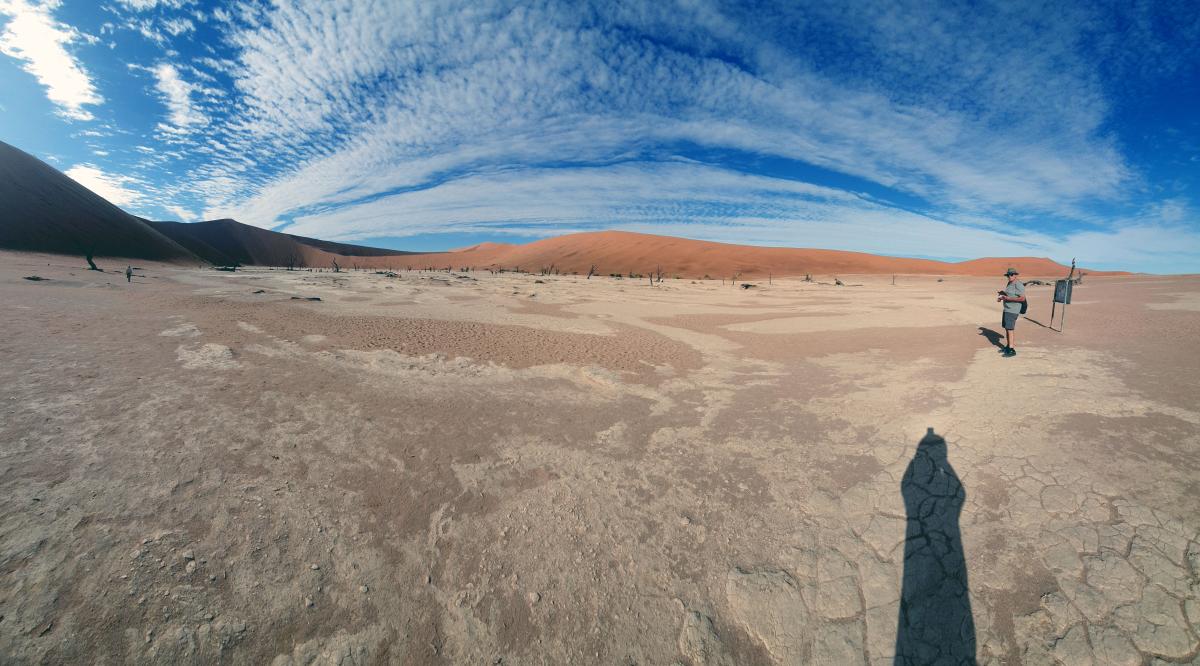
We embarked on an early-morning excursion to the world’s highest crested sand dunes at Sossusvlei. The red-orange dunes seem to be alive because they constantly change and undulate with the desert winds. Despite their barren look, the dunes actually support a rich, complex system of wildlife that includes the blind golden mole and a large dancing spider known as the “white lady,” geckoes, and lizards. We stopped and hiked into the Dead Vlei, a white clay pan in a valley between the dunes in the Namib-Naukluft Park. The name means "dead marsh" (from English dead, and Afrikaans vlei, meaning lake or marsh). We ended the day with a "sundowner" game drive that evening before another dinner on the patio.
















Swakopmund, Namibia
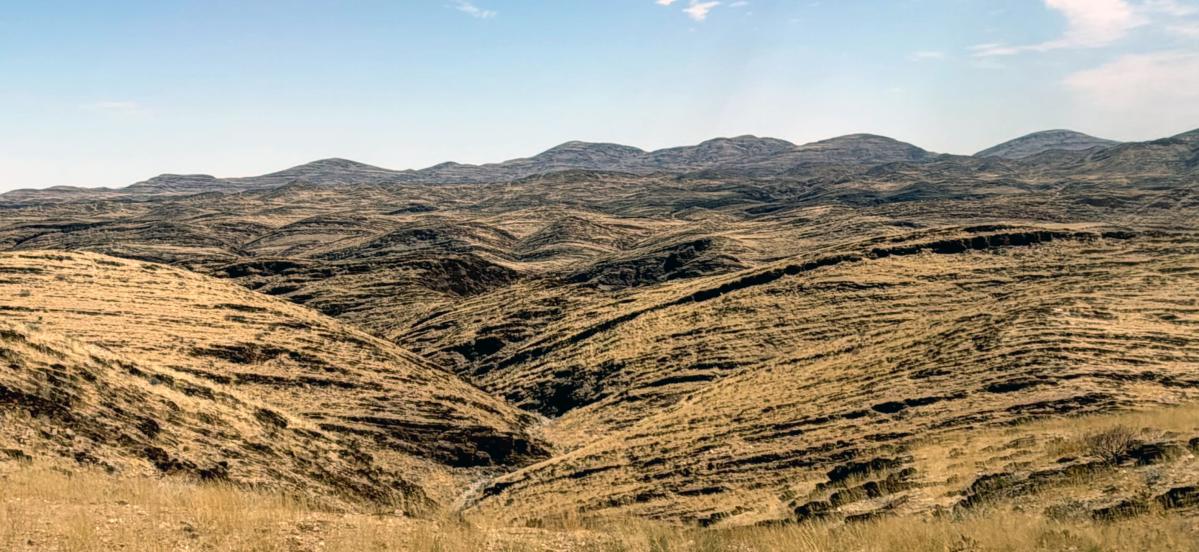
We continue our travel through the Namib Desert en route to German-accented Swakopmund, Namibia’s largest
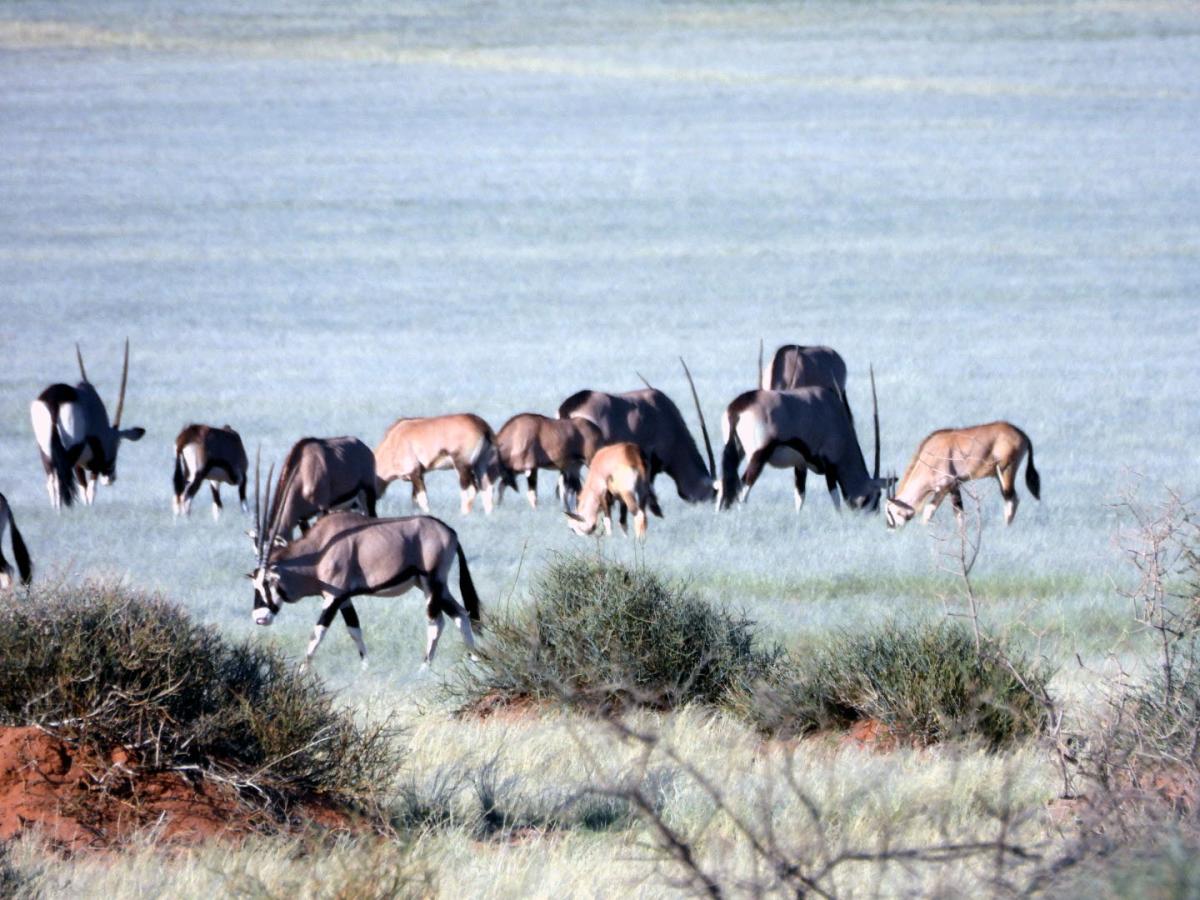
port. During our journey, we saw oryx, springbok, and ostrich in the wild. Our long drive took us across the Tropic of Capricorn, the circle of latitude where the sun can be directly overhead at noon during the December solstice, marking the southernmost such point on Earth. It lies approximately 23.5 degrees south of the equator. We arrived in Swakopmund in time for a late lunch, and then we got acquainted with the town by visiting the Natural History Museum, which occupies a former harbor warehouse. It lends insight into Namibia’s colonial past and rich natural resources.




Walvis Bay and the Namibian Coast
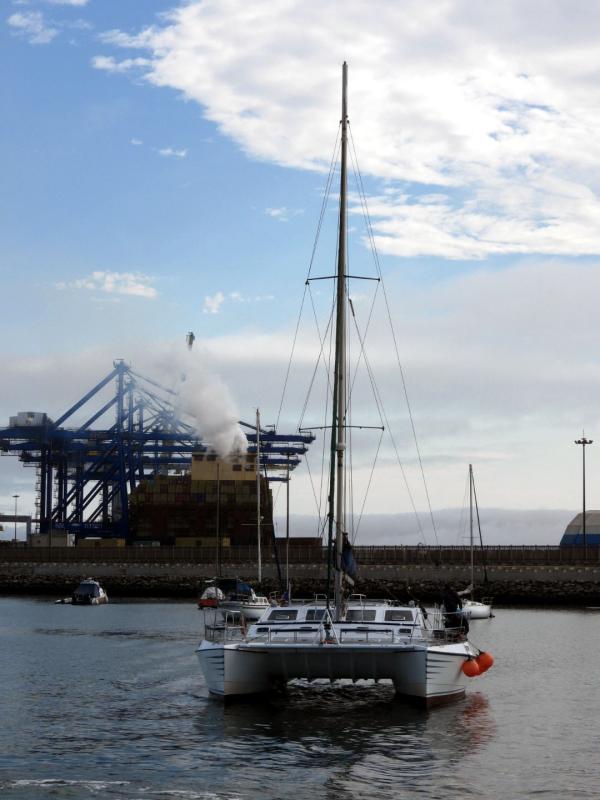
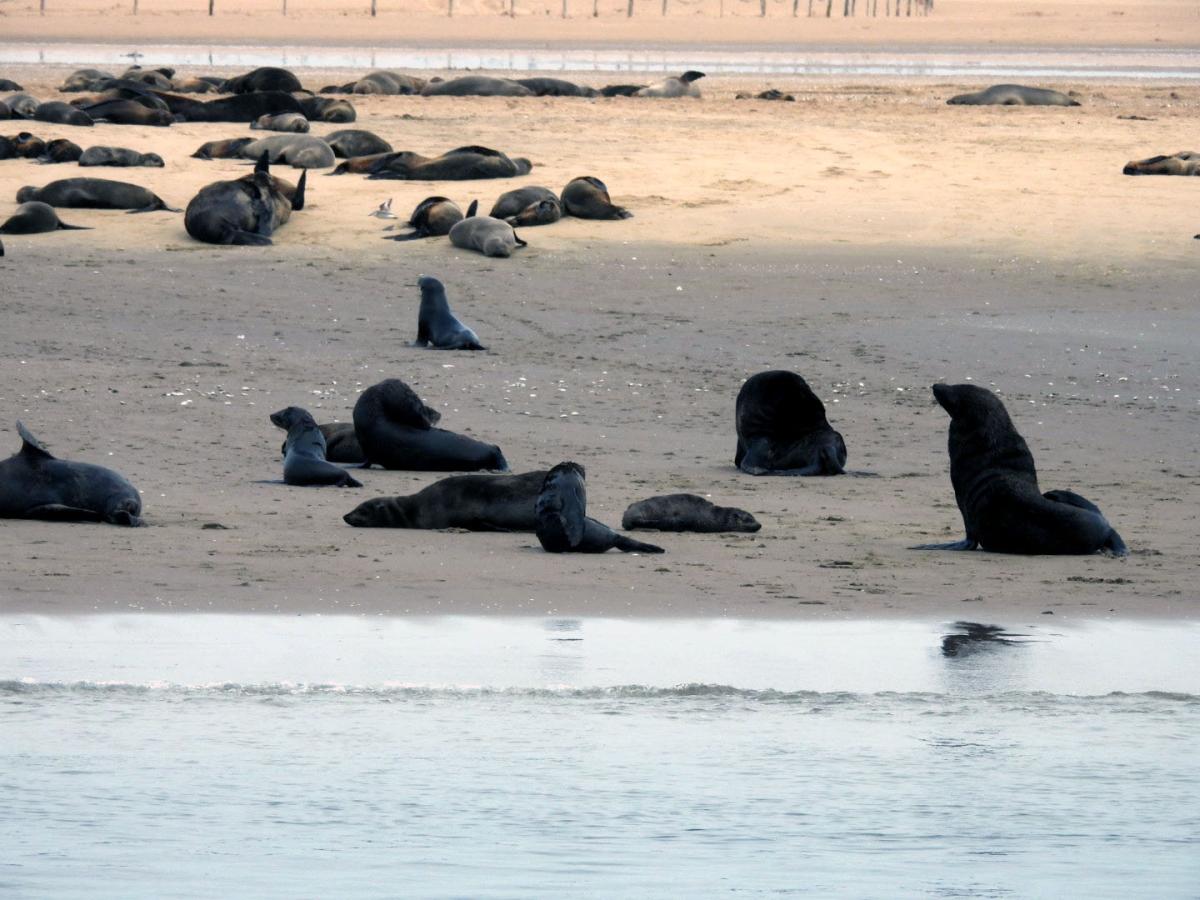
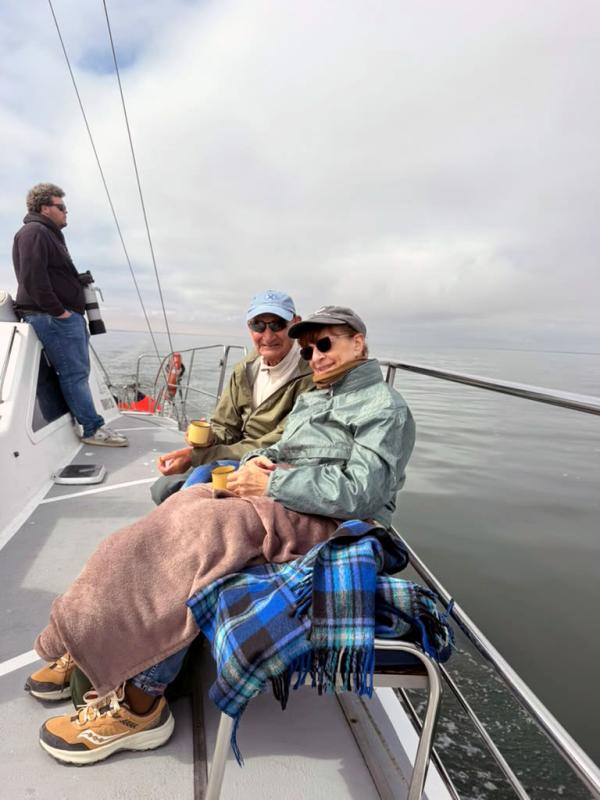
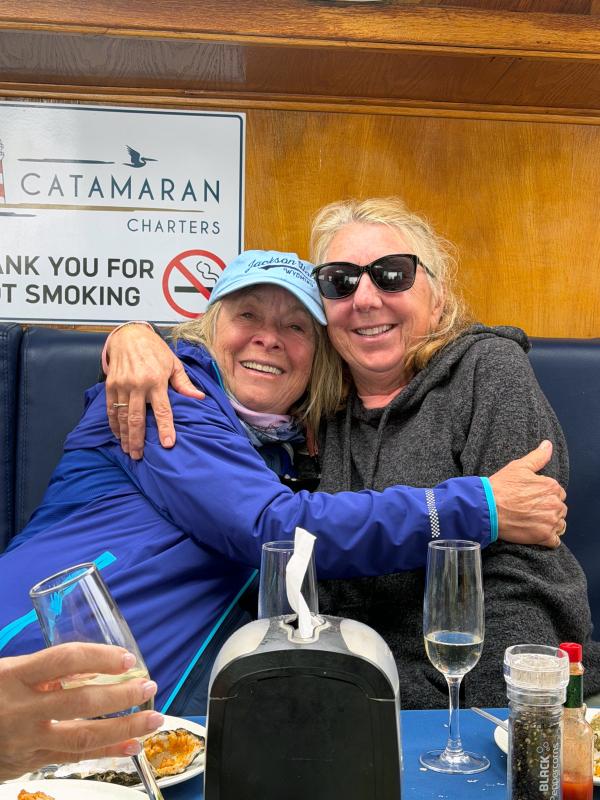
We traveled to Walvis Bay for a half-day cruise and lunch along Namibia’s coastline. Walvis is the Dutch word for whale. The Dutch named the bay because of the large numbers of southern right whales that grazed the harbor for its rich plankton supply. Cruising out to sea on a catamaran, we saw this renowned waterway, Namibia’s only natural harbor, from the perspective of the many mariners who went before. We saw Cape fur seals, pelicans, and other sea birds native to these waters. Some even visited our catamaran looking for a handout. We were up close and personal with these creatures. Our nautical exploration of this rugged and striking region that the inland tribespeople call “the land God created in anger” provided a cool respite after the arid desert atmosphere of Sossusvlei. After lunch aboard the cruise, we took a short tour of the Walvis Bay Lagoon, a protected area that is home to many species of water birds, including the migratory greater and lesser flamingoes. We return to Swakopmund, where we have the remainder of the day at leisure to explore this charming coastal city with its palm-lined streets and historic German architecture.








Cape Town, South Africa
We visited Swakopmund’s Crystal Gallery in the morning before heading to the airport. The Crystal Gallery is the home of the largest quartz crystal cluster in the world. This 520-million-year-old chunk of rock weighs 30,000-pounds and is about 10-feet tall. Then it was off to the airport for our flight to one of the great cities in Africa, and indeed the world: Cape Town.


Table Mountain and The Winelands
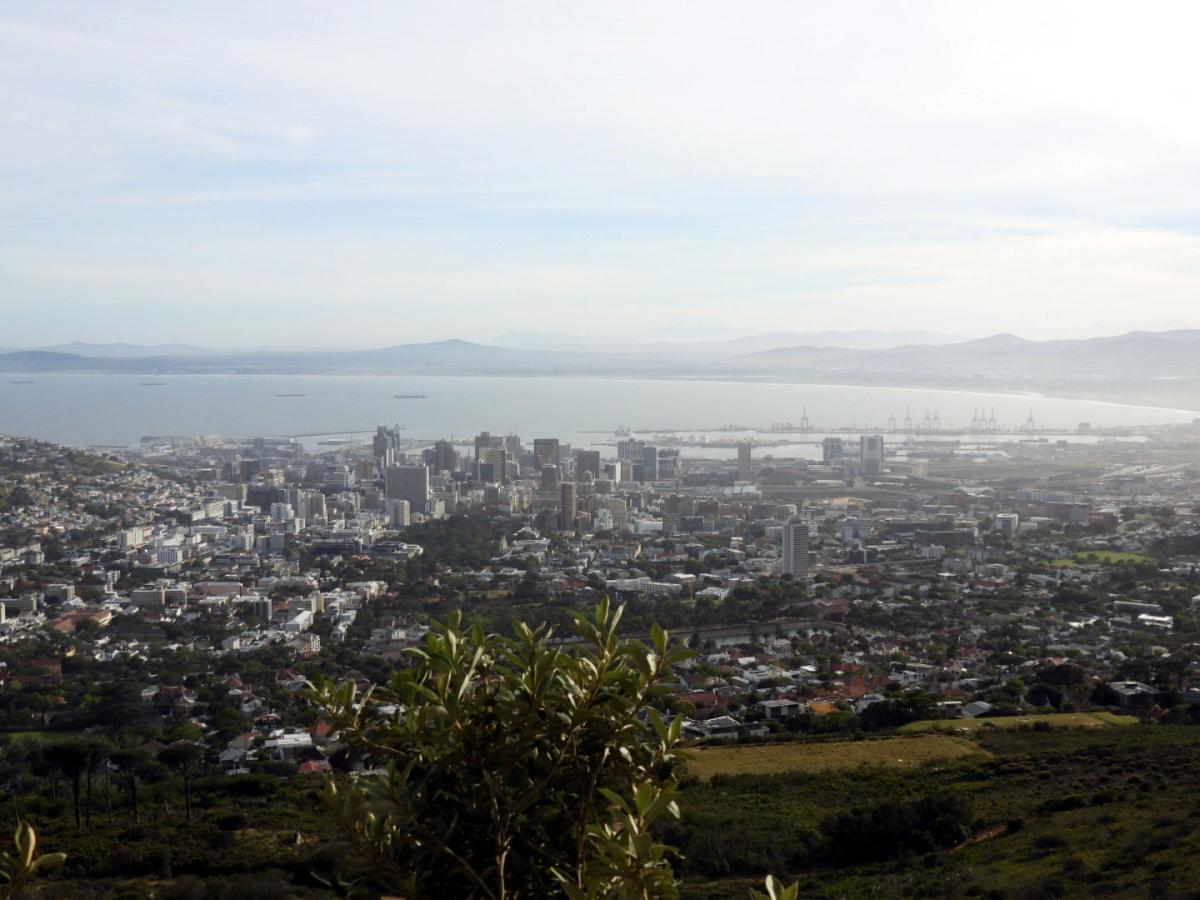
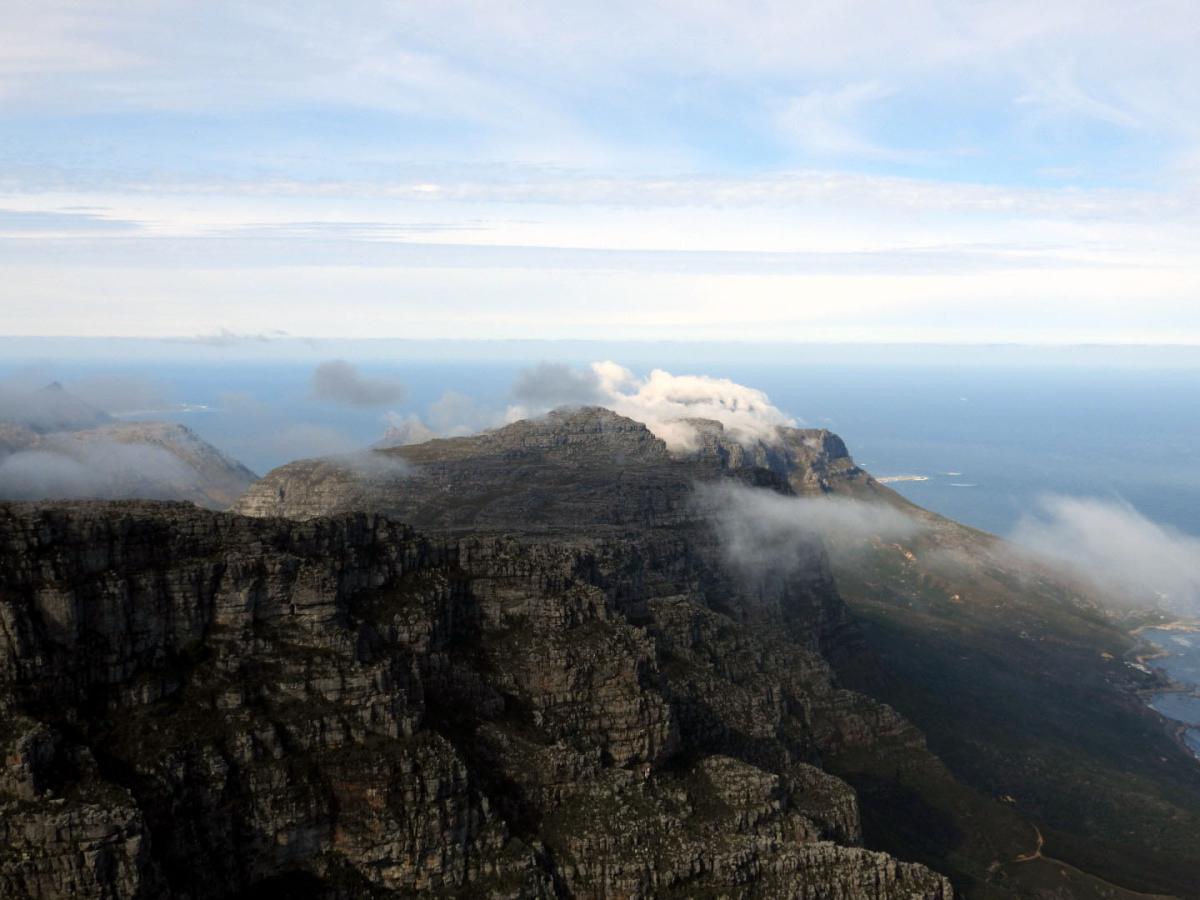
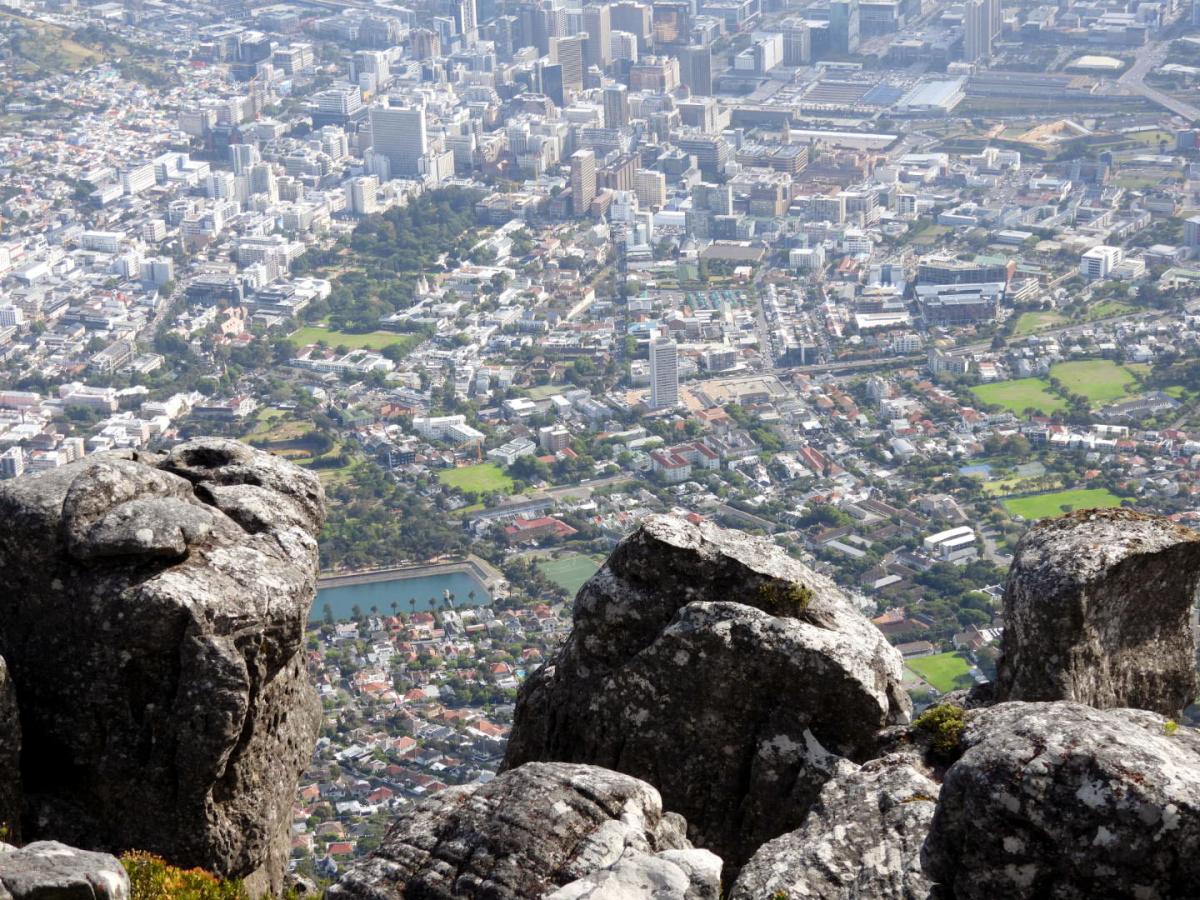
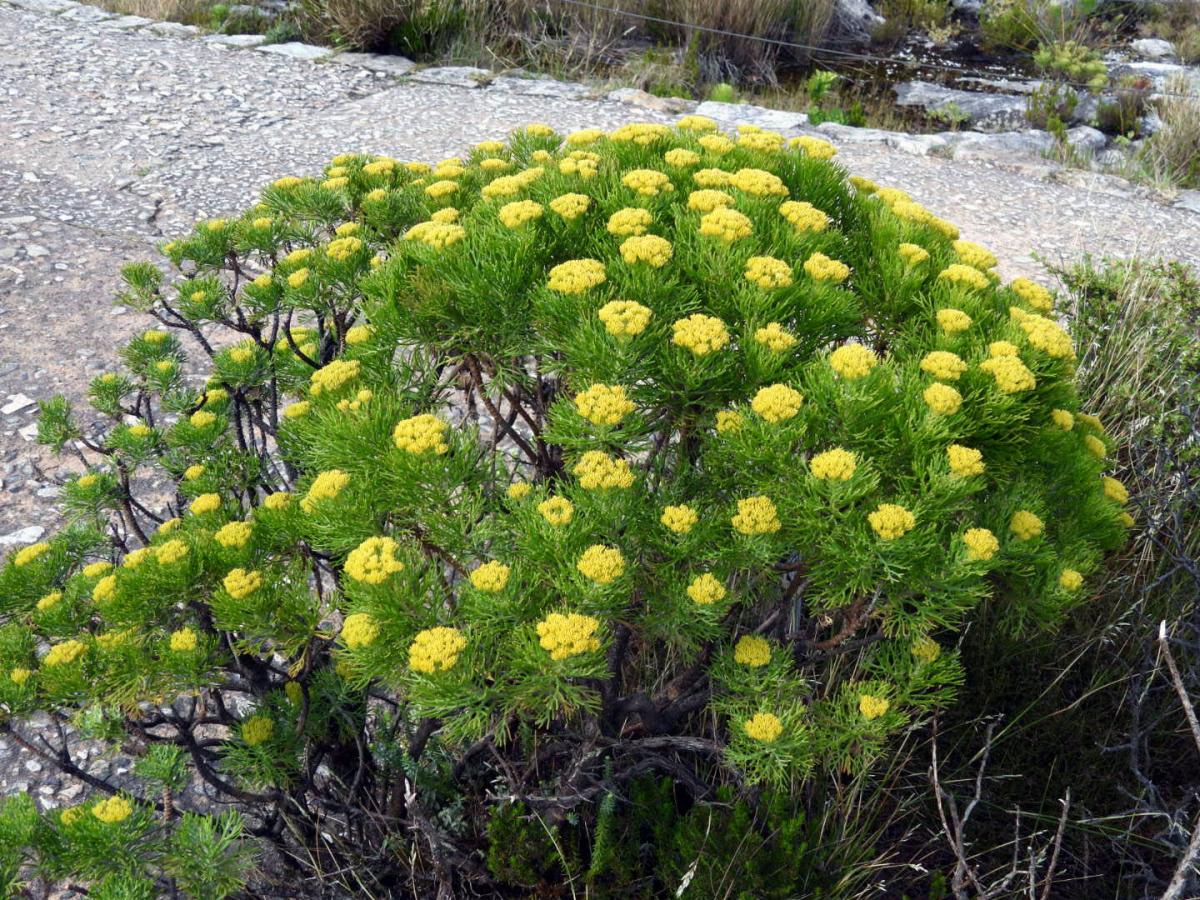
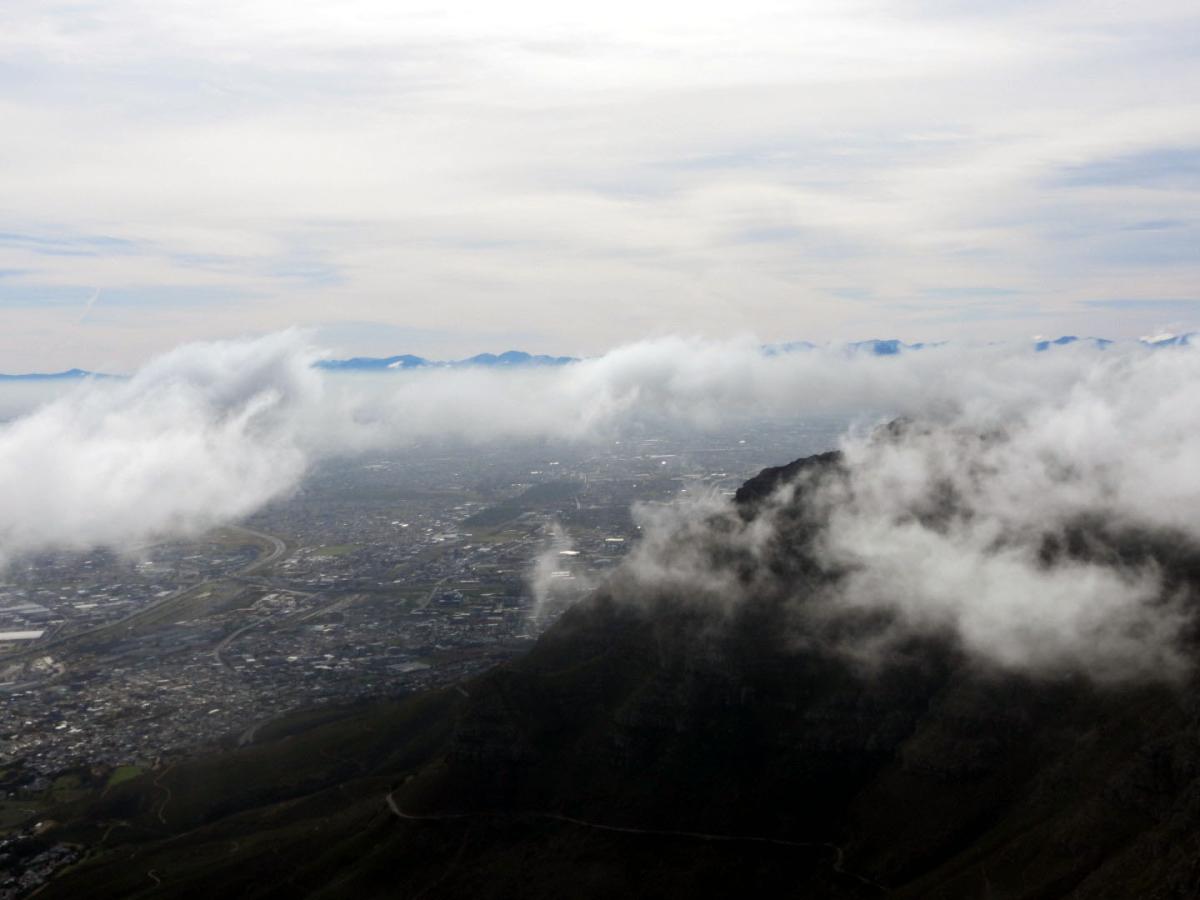
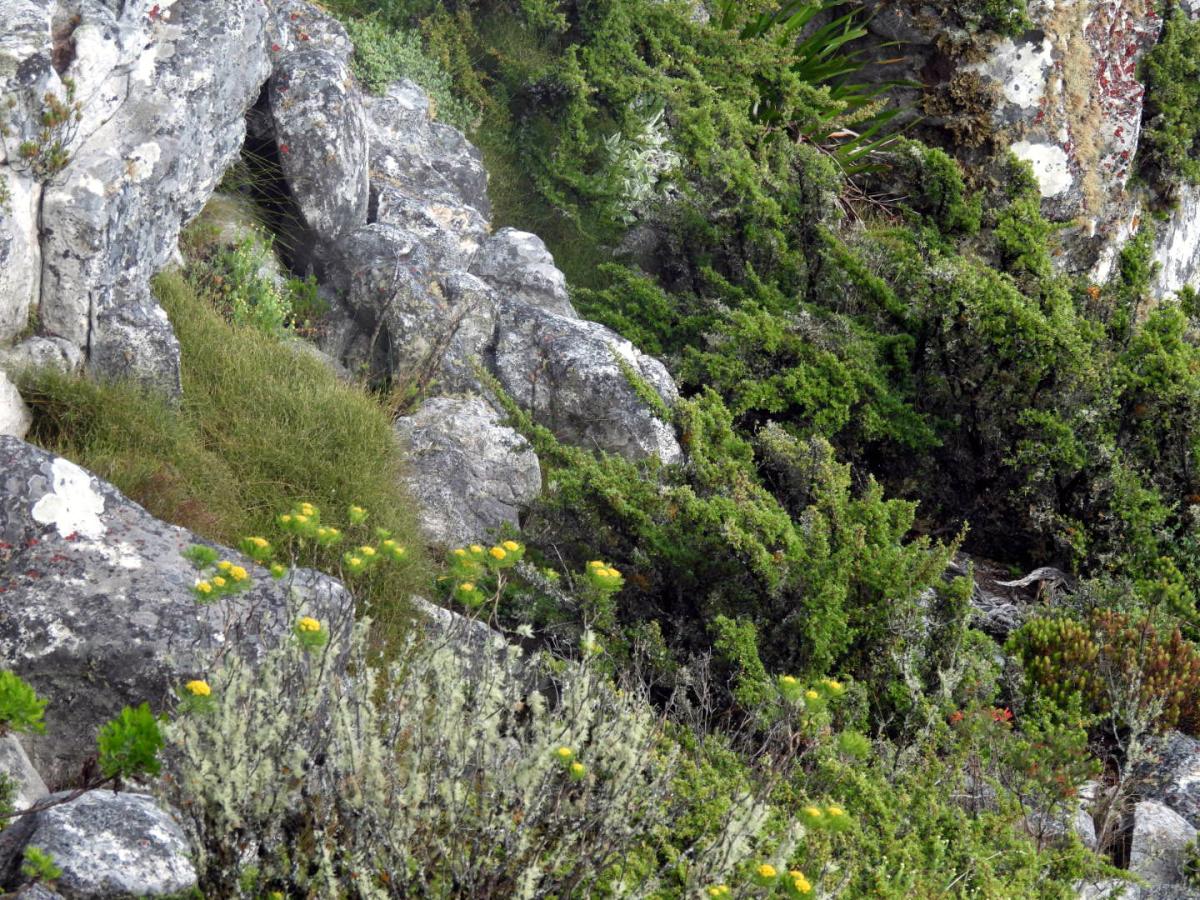
We woke up to perfect weather for a trip to Cape Town's Table Mountain, a flat-topped mountain forming a prominent landmark overlooking the city. We took a cable car to reach the top of this 3,500-foot plateau. After our visit to this majestic mountain, we travelled to South Africa's Winelands. South Africa is one of the finest wine-producing countries in the world, and some of its best vineyards lie a mere 45 miles east of Cape Town. After travelling through this historic region, we stopped at a winery for a visit and lunch in their superb restaurant, where our 3-course meal was paired with three of their best wines. On our way back to Cape Town, we stopped at Drakenstein Correctional Centre, a low-security prison between Paarl and Franschhoek, to see the statue commemorating Nelson Mandela's release from prison on 11 February 1990, after 27 years behind bars.










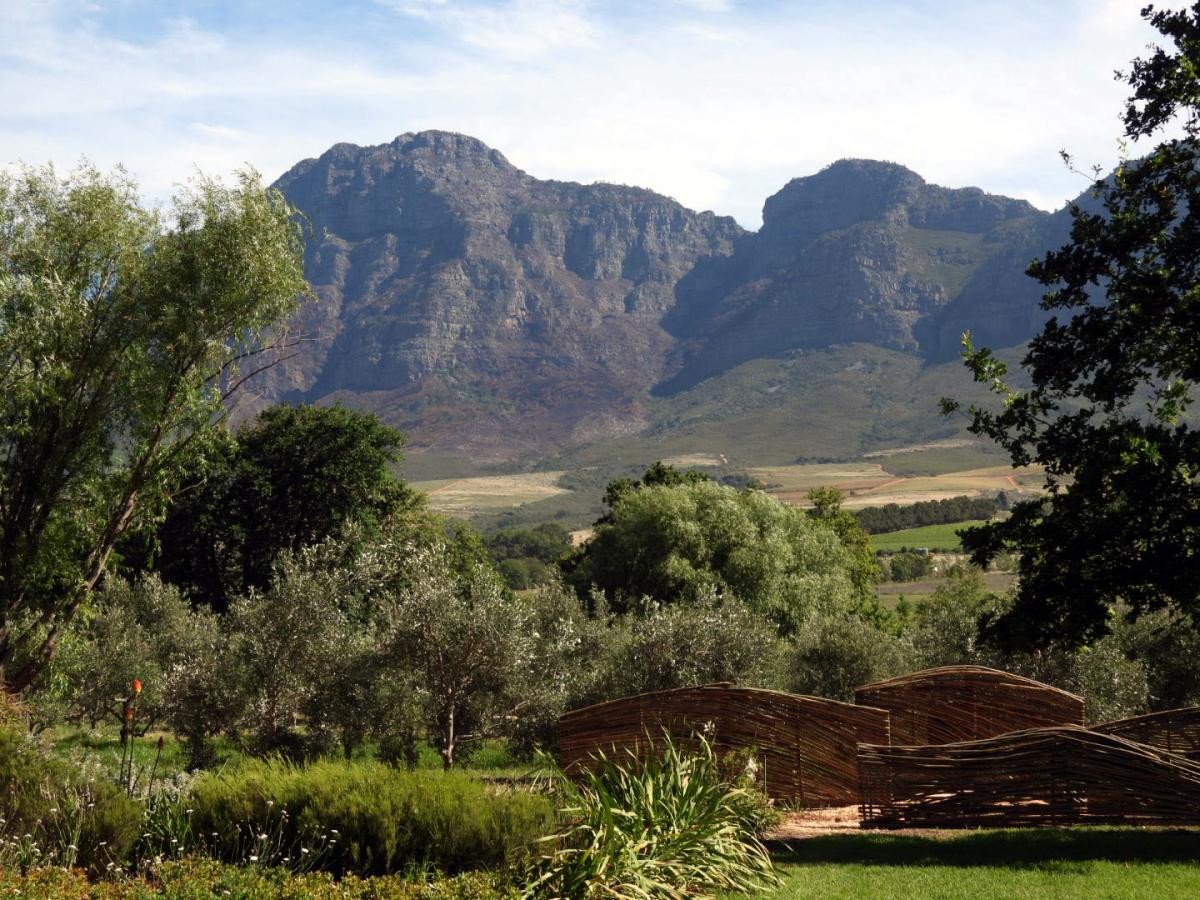


Cape of Good Hope
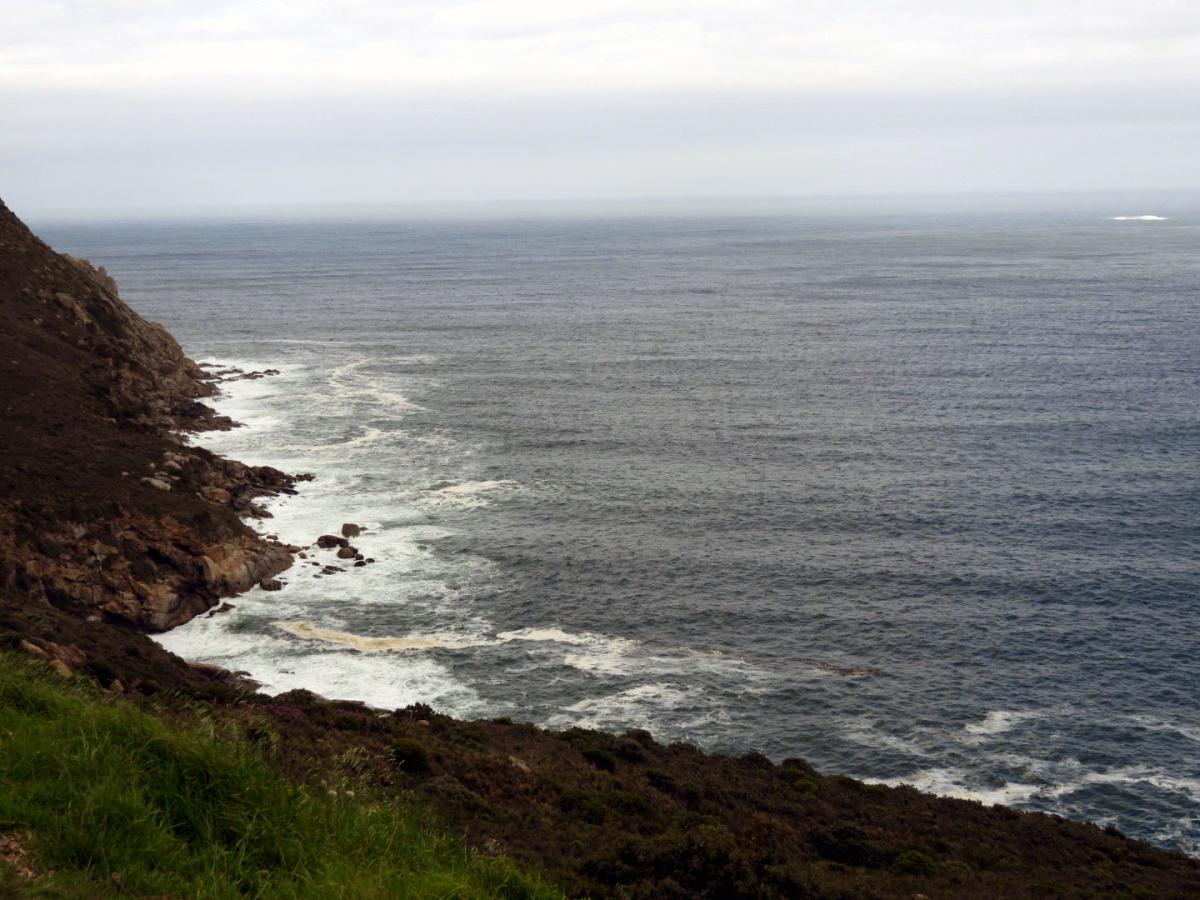
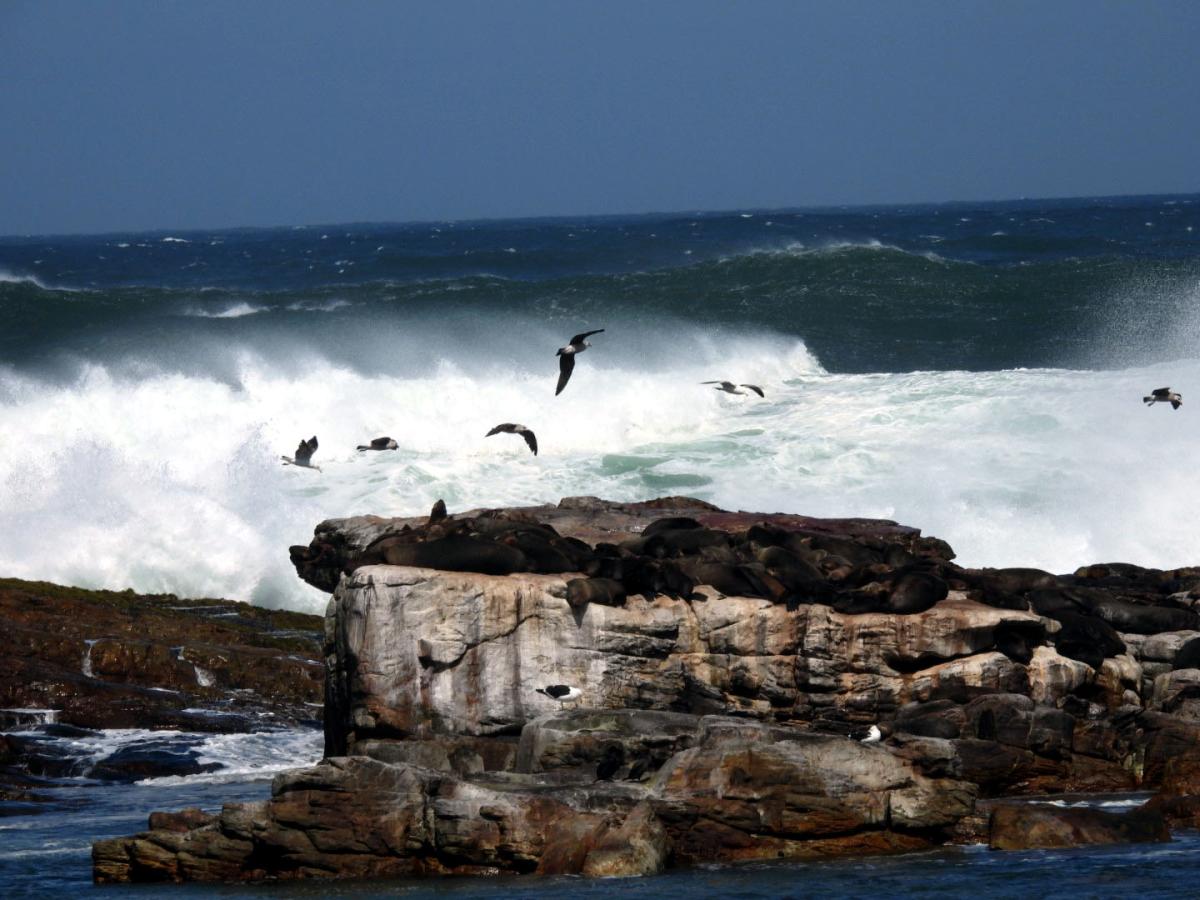
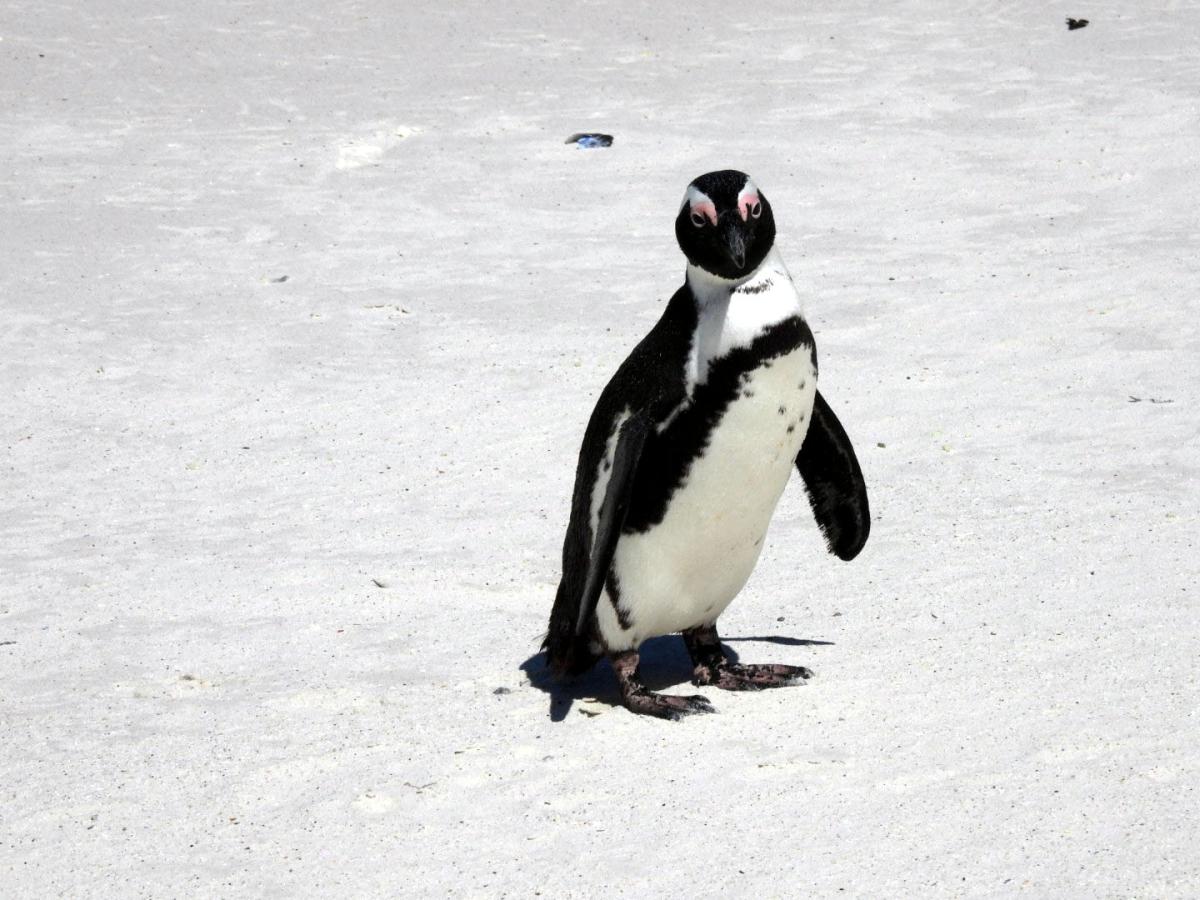
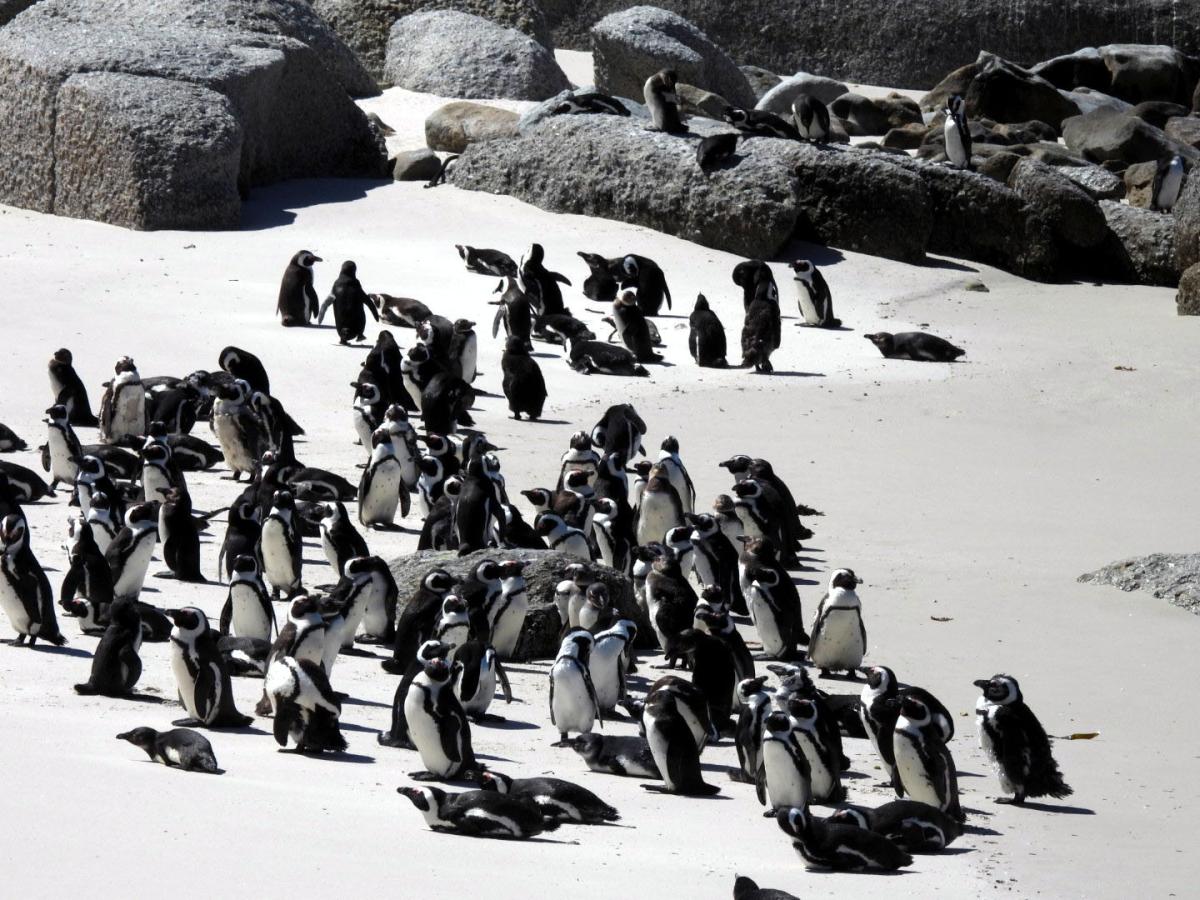
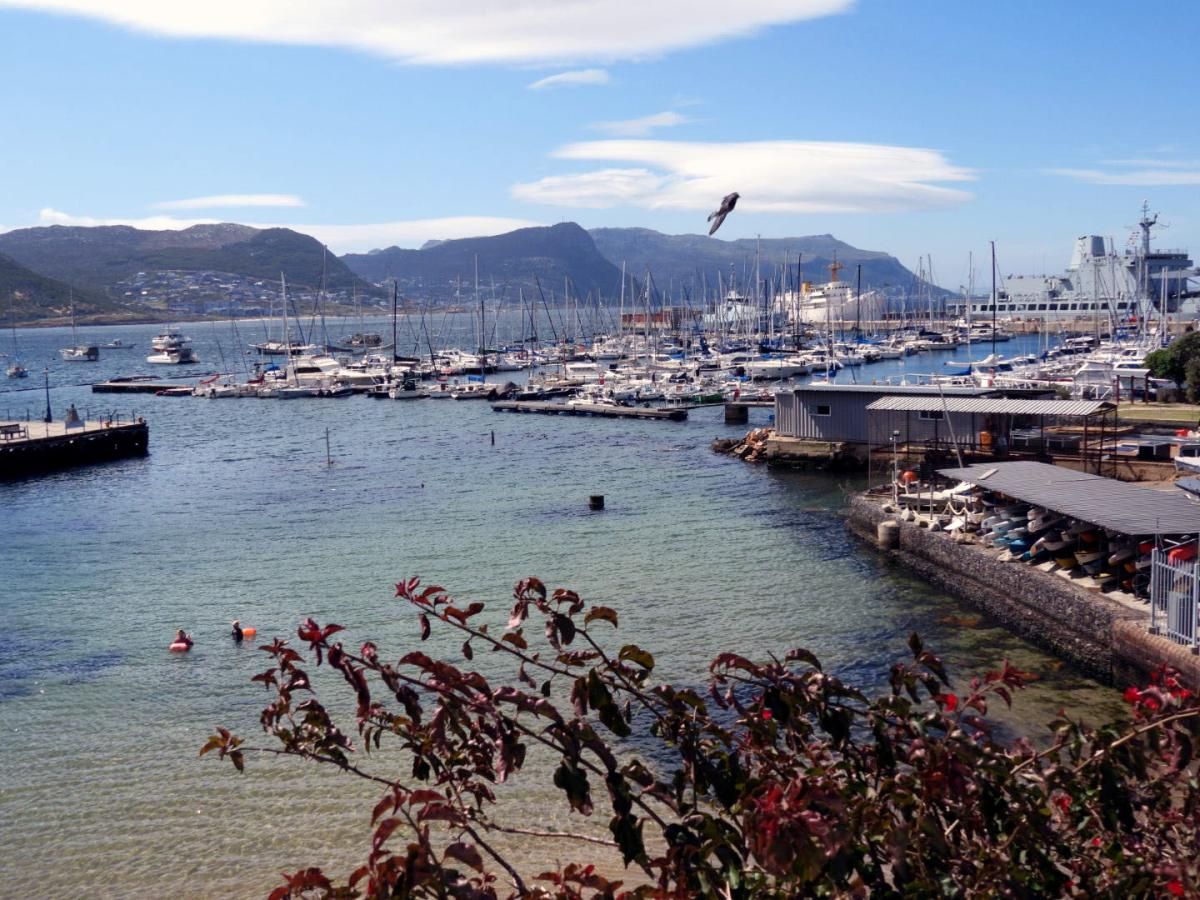
Today we travelled to the Cape Peninsula to visit the Cape of Good Hope. Sir Francis Drake called it, “the most stately thing and the fairest Cape we saw in the whole circumference of the earth.” We passed by the lovely Hout Bay before reaching the Cape of Good Hope Nature Reserve, with some 19,000 acres of protected parkland. Here on this unspoiled peninsula, mountains drop into the sea, unique flora thrives, and bird life is abundant. A funicular takes us to the summit of the Nature Reserve for a stupendous ocean view. After a seafood lunch in the historic Simon’s Town headquarters of the South African Navy, we continued on to Boulders Beach, where we visit a unique penguin colony. From one pair introduced here in 1982, some 3,000 penguins now make their home at Boulders.










Cape Town tour
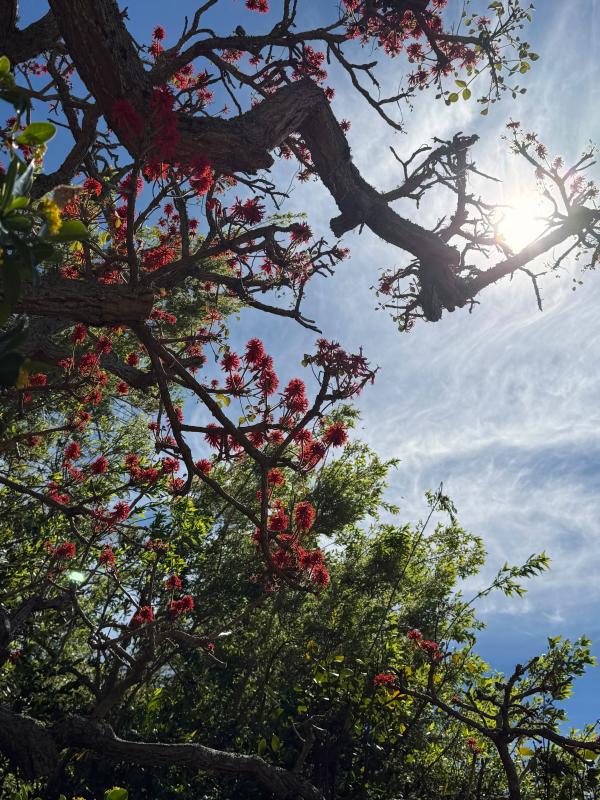
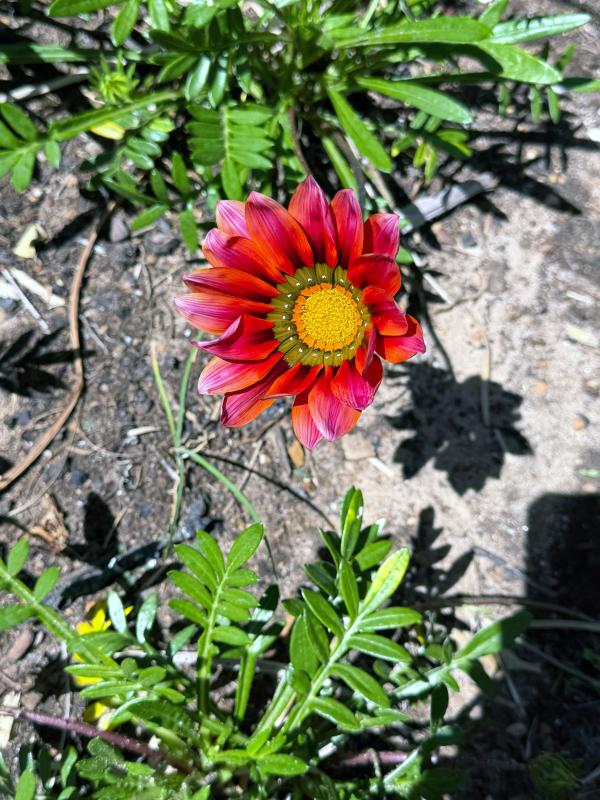
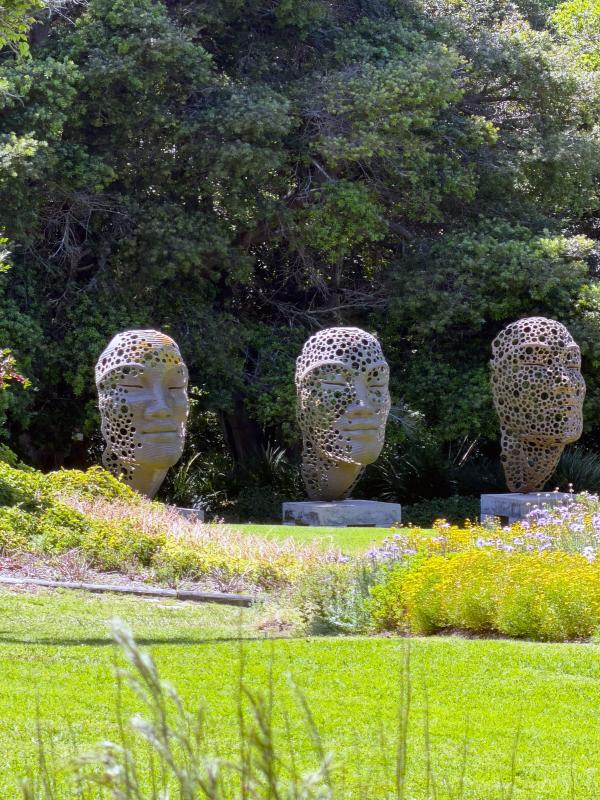
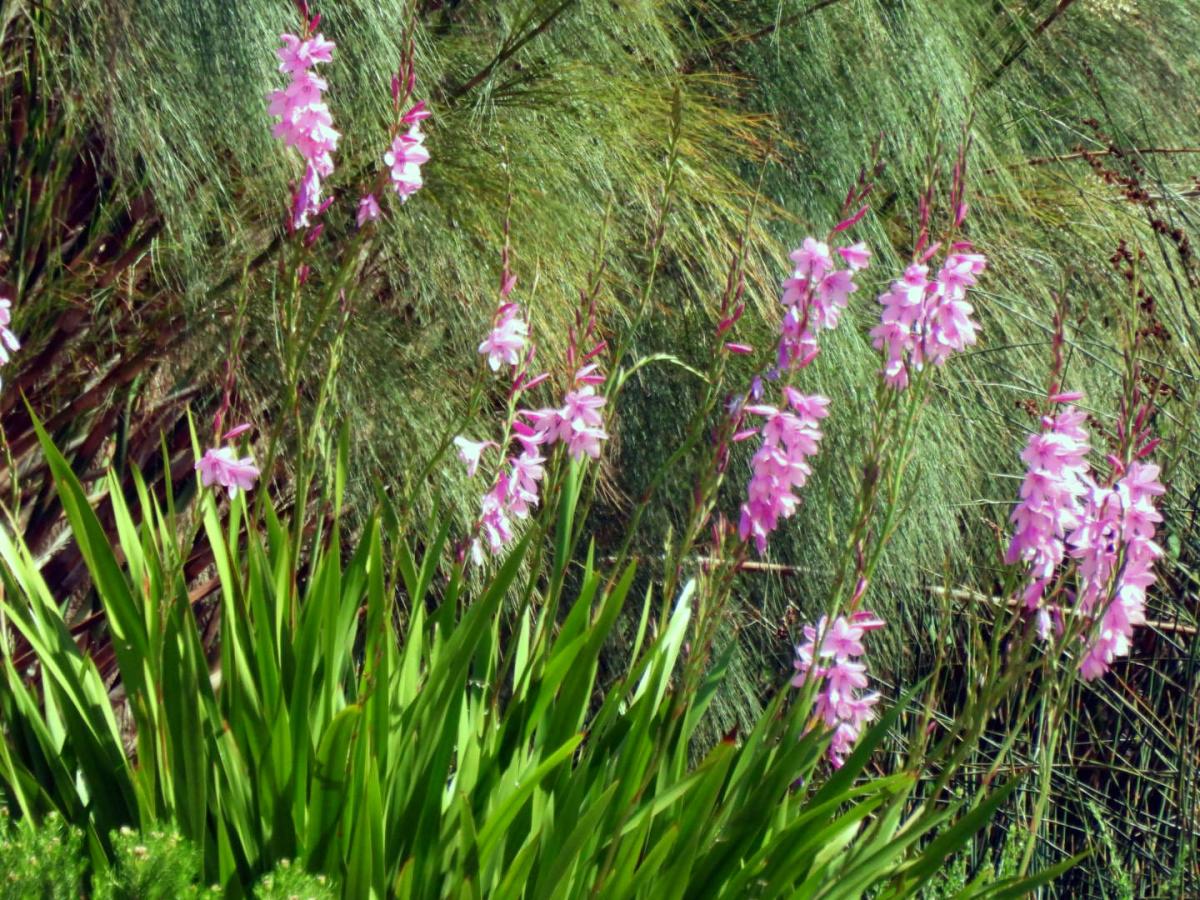
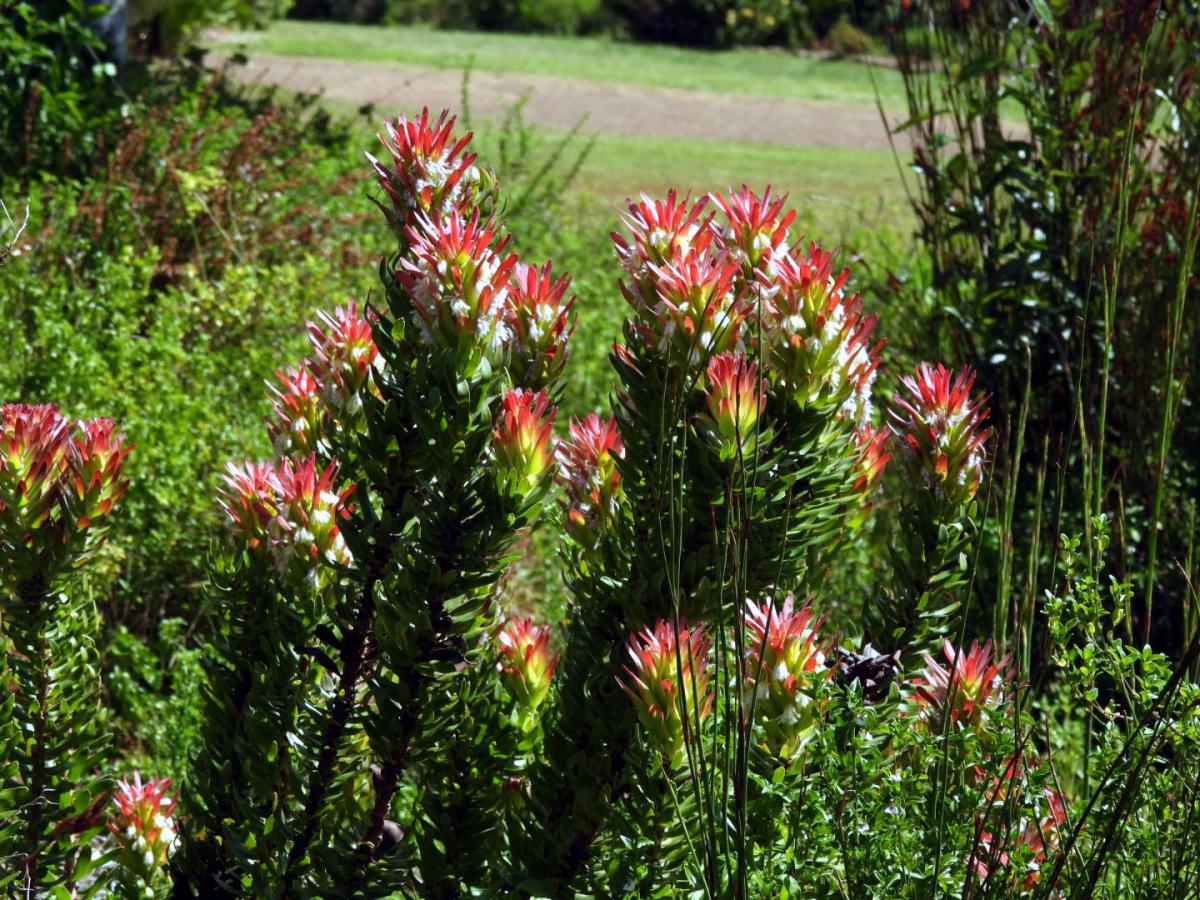
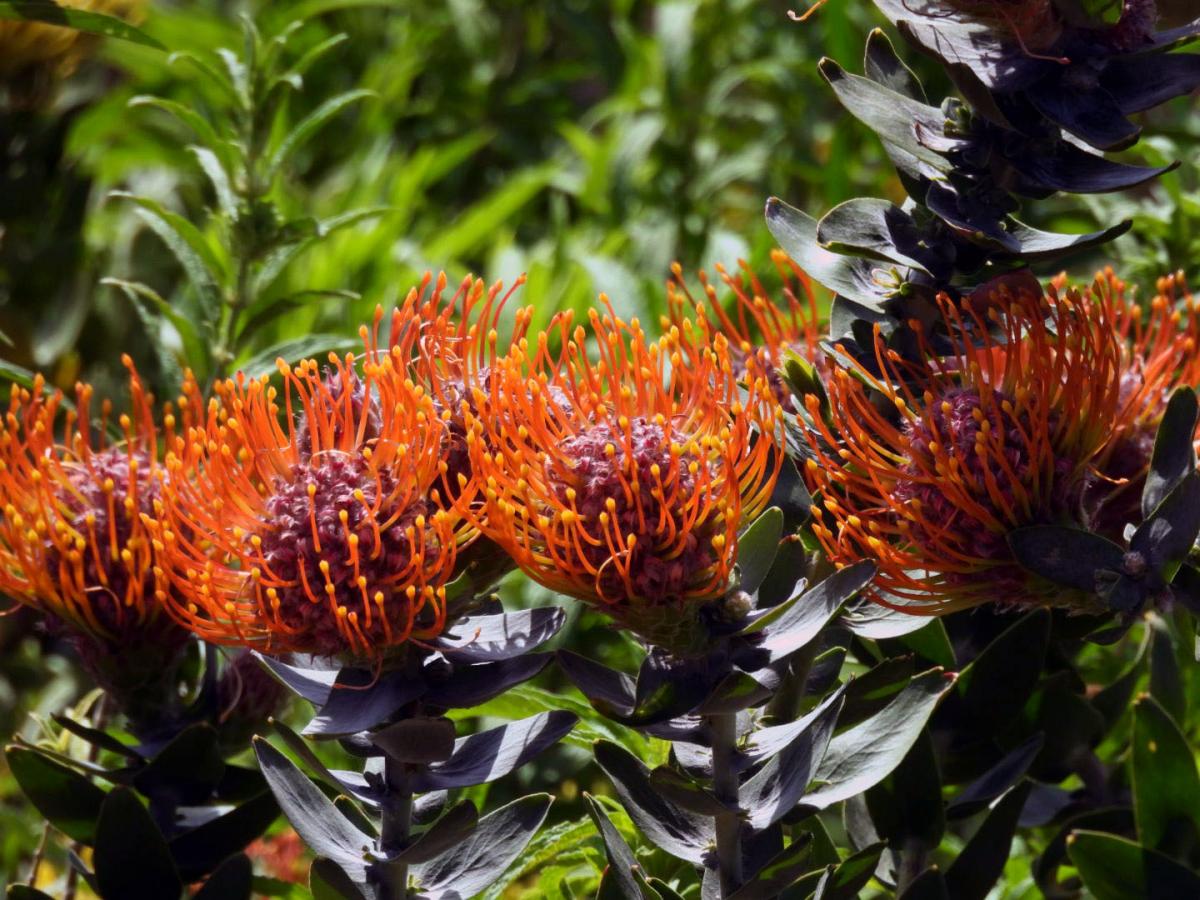
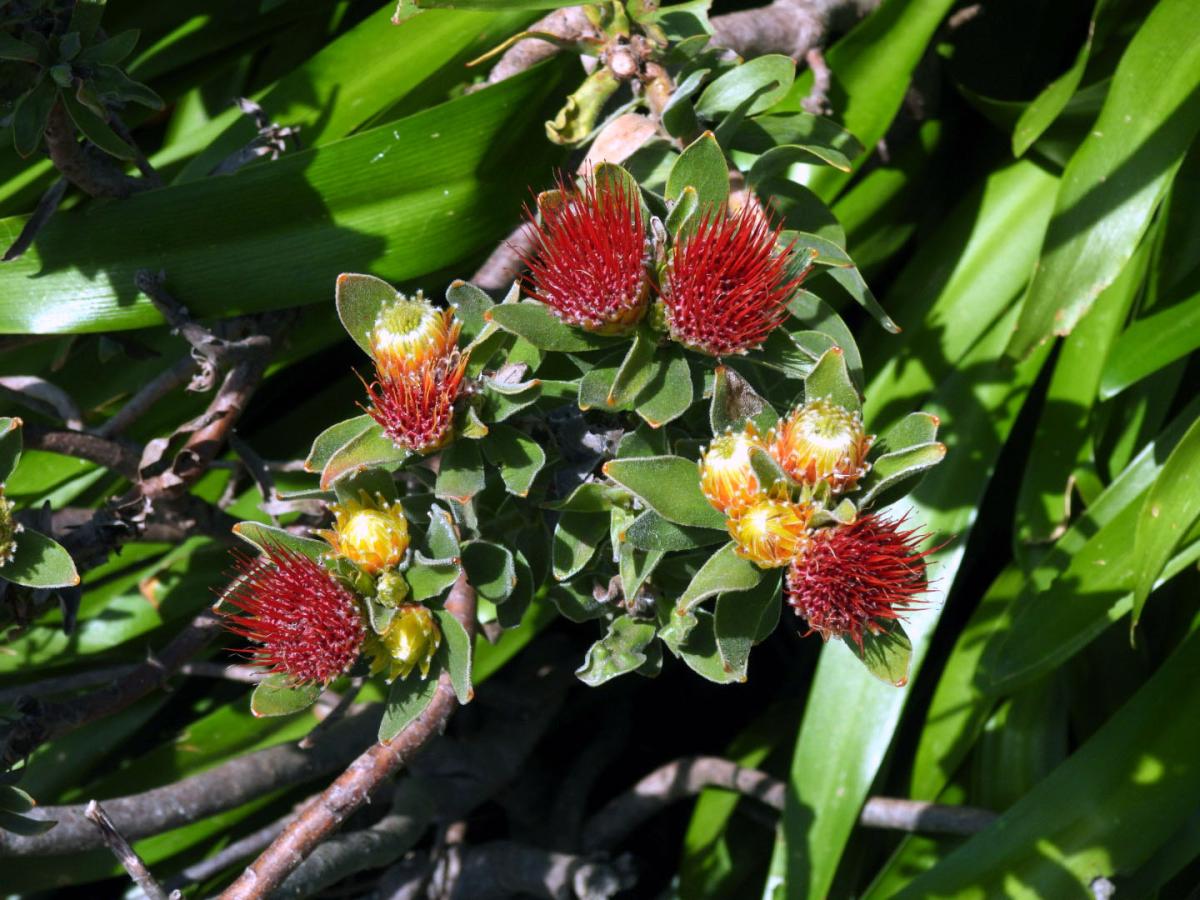
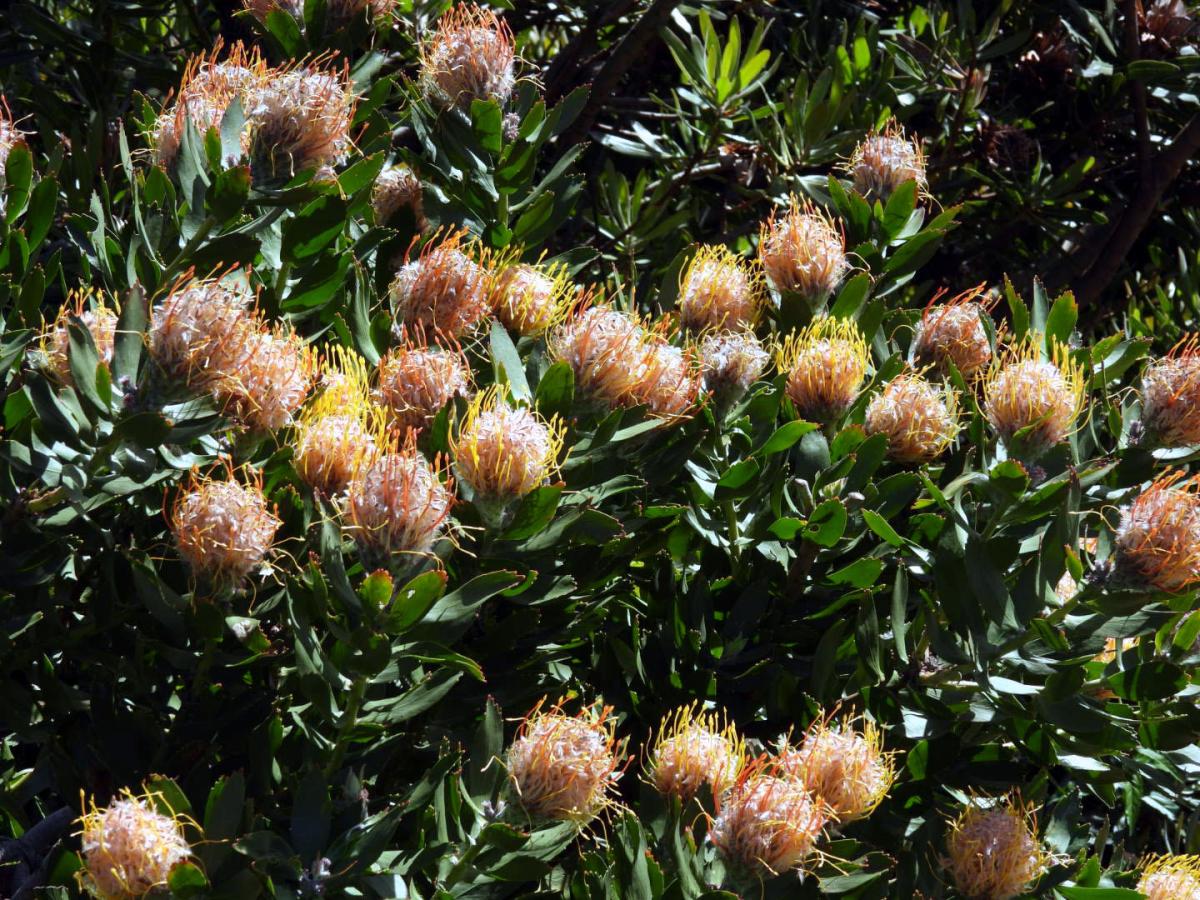
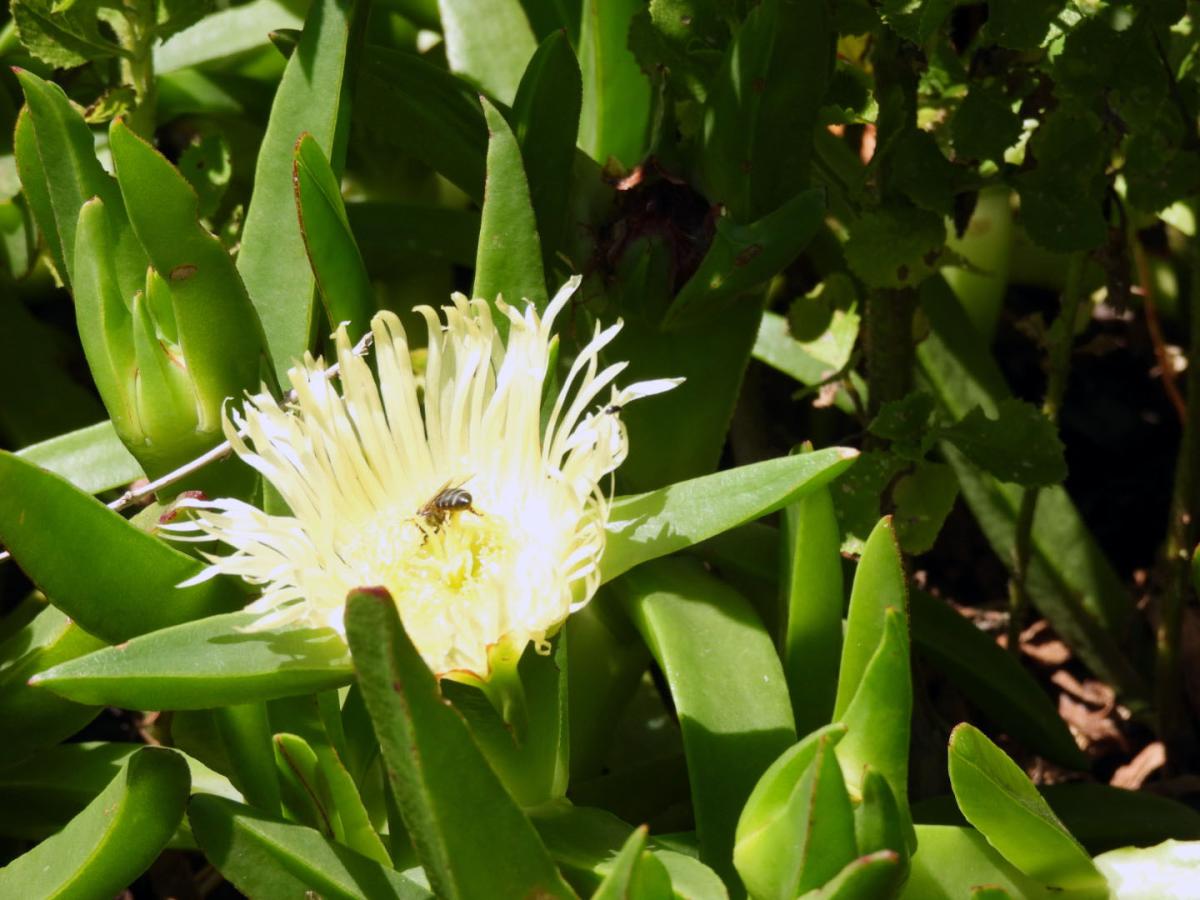
Our tour of Cape Town featured the Kirstenbosch National Botanical Garden and the Bo-Kaap neighborhood. The Botanical Garden is considered among the finest in the world. Cutting a swath across one thousand acres on the eastern slopes of Table Mountain, the property was bequeathed to South Africa by wealthy industrialist Cecil Rhodes upon his death in 1902. The gardens planted here are almost exclusively devoted to the indigenous plants of South Africa, which include approximately 9,000 of the nation’s 22,000 species. We arrived in Bo-Kaap in time to hear the noon cannon being fired from nearby Signal Mountain. Then we enjoyed delicious South African donuts in this historical center of Cape Malay culture. This hillside neighborhood of brightly colored homes and businesses is one of the most ethnically diverse areas in Cape Town. Its picturesque setting and cobbled streets have made it a desirable place to live. We learn about Bo-Kaap’s history as the Malay Quarter and the thousands of Capetonians of Southeast Asian descent who made the area their home. Before leaving the area, we visited the art studio of Nathan Chikoto, an artist who uses recycled materials to make his art. This was the last day of the primary tour. Only Ronee and Ed took the extension tour with Ron.

















Kapama Private Game Reserve Day 1
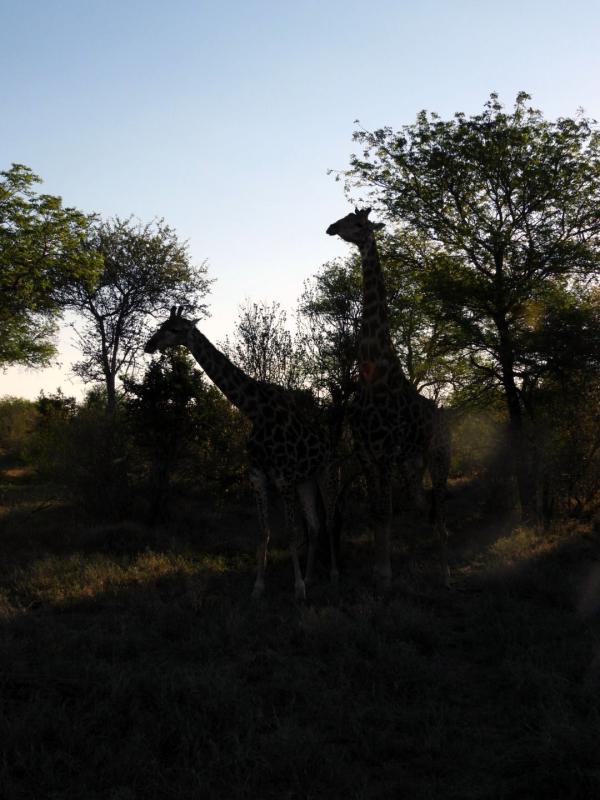
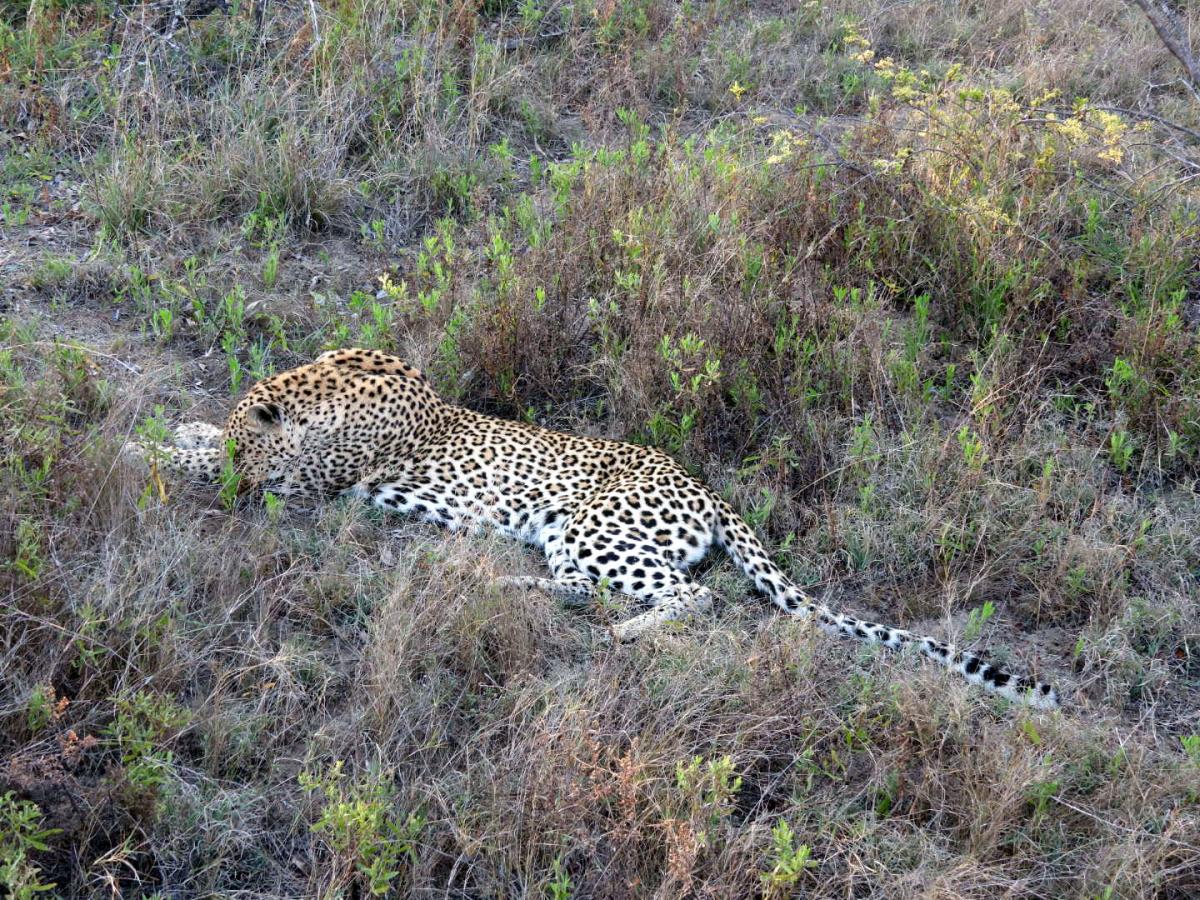
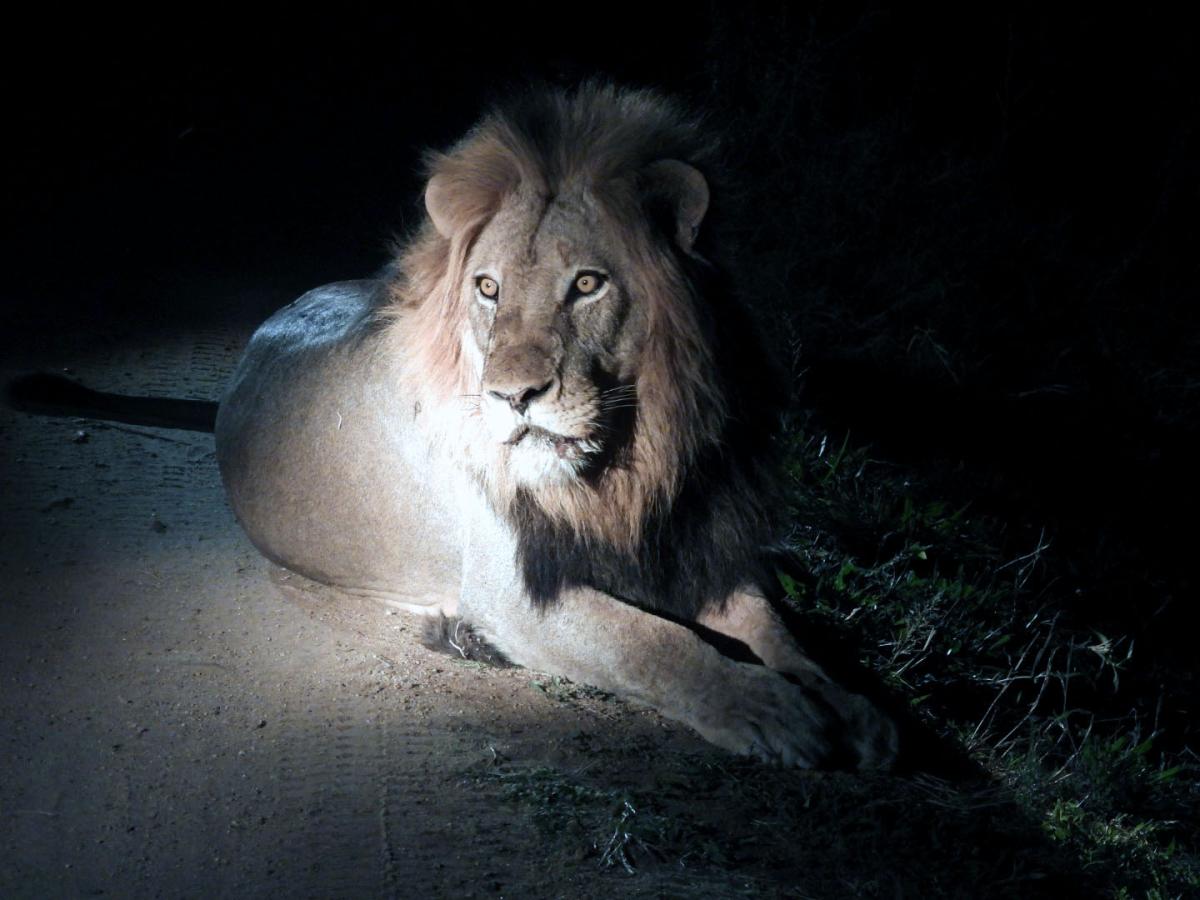
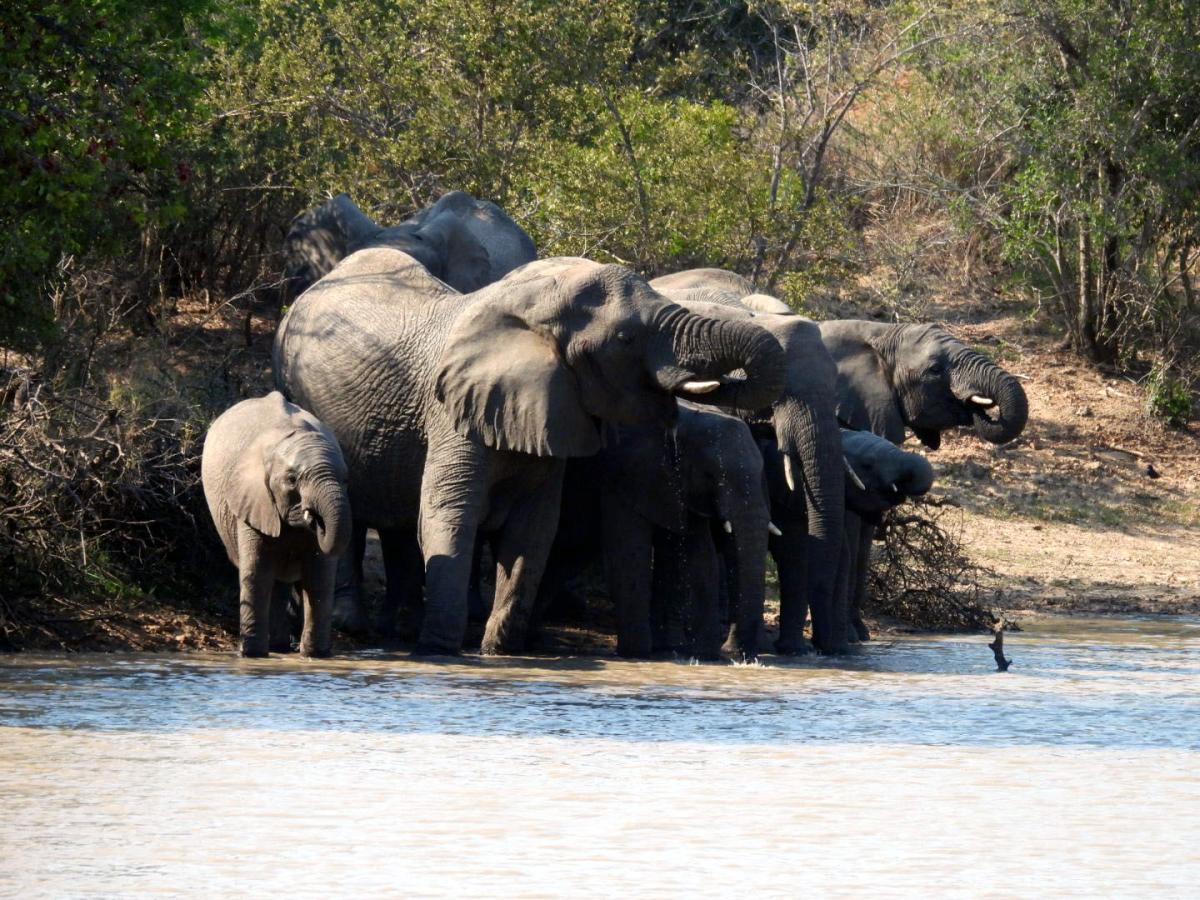
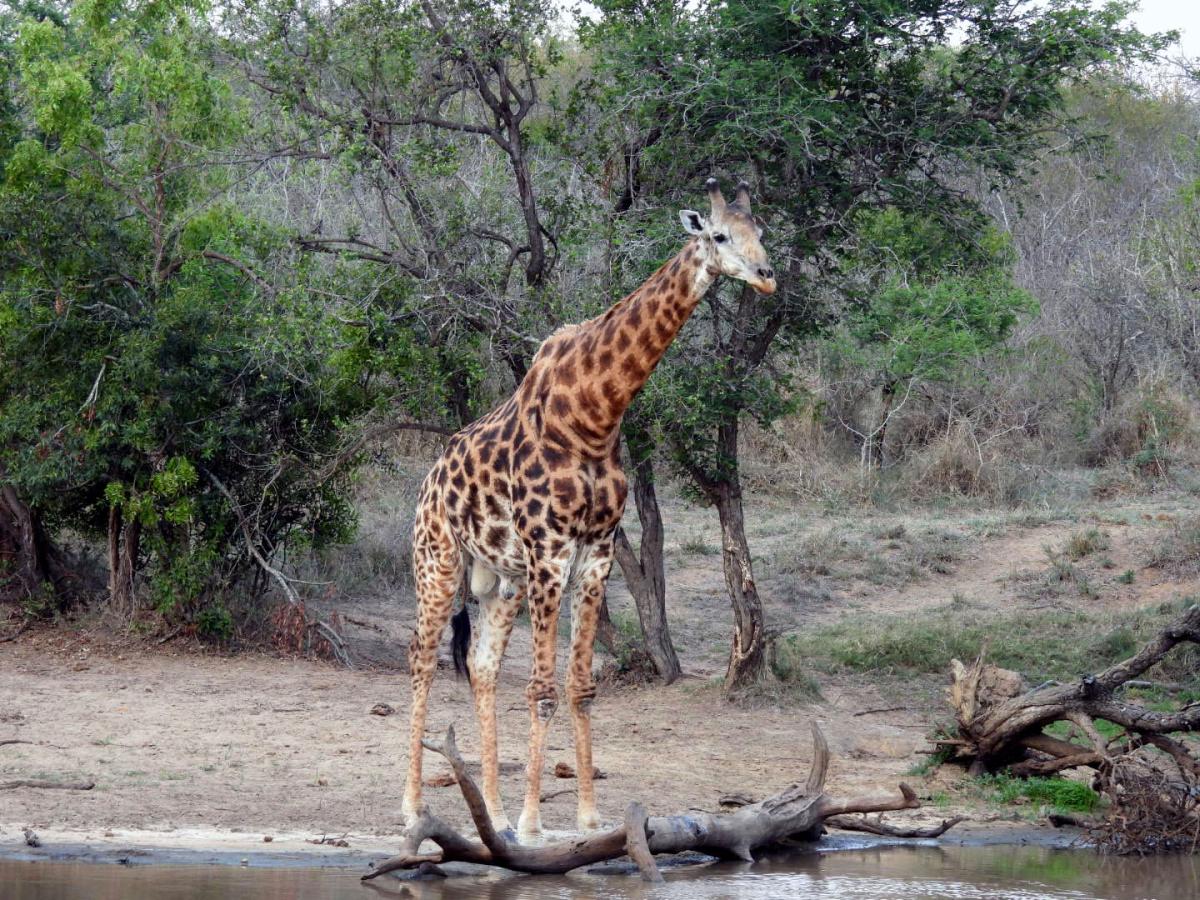
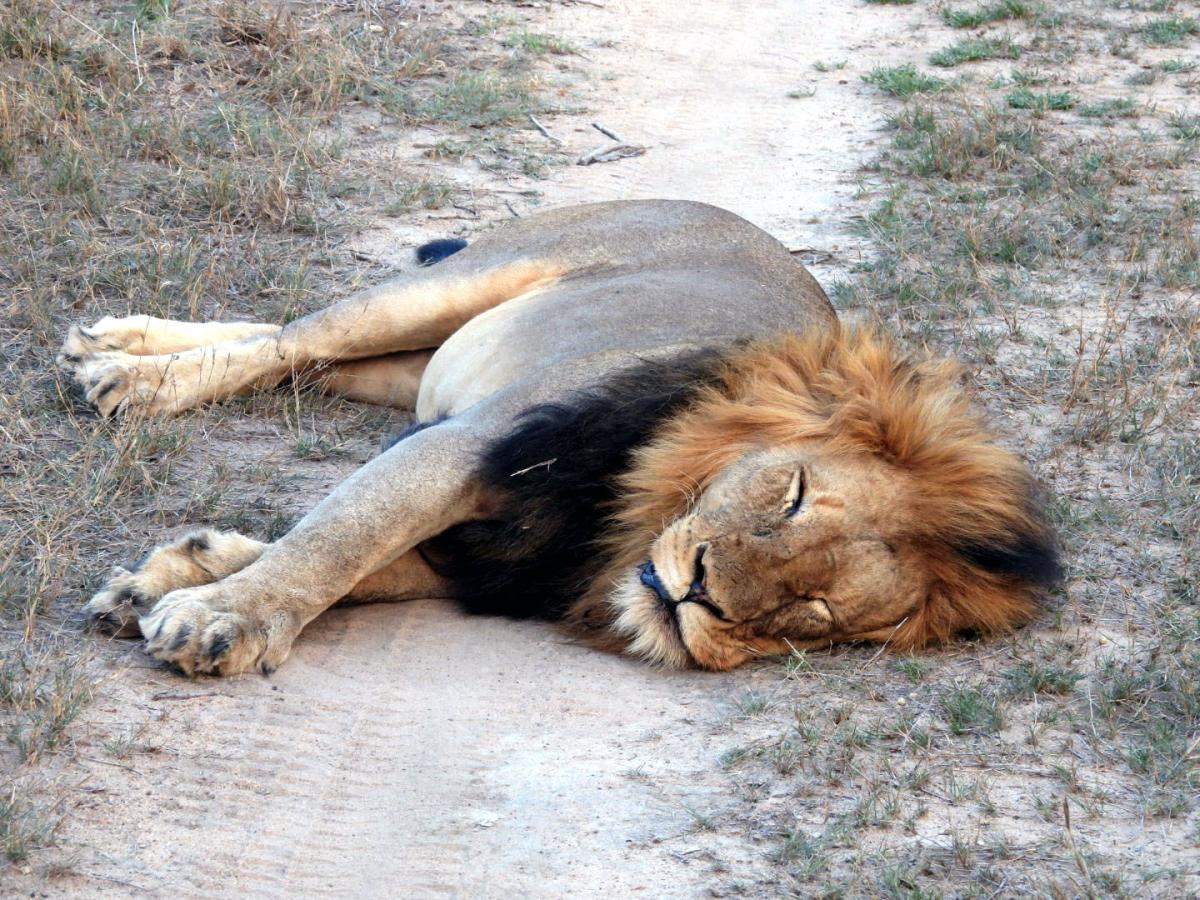
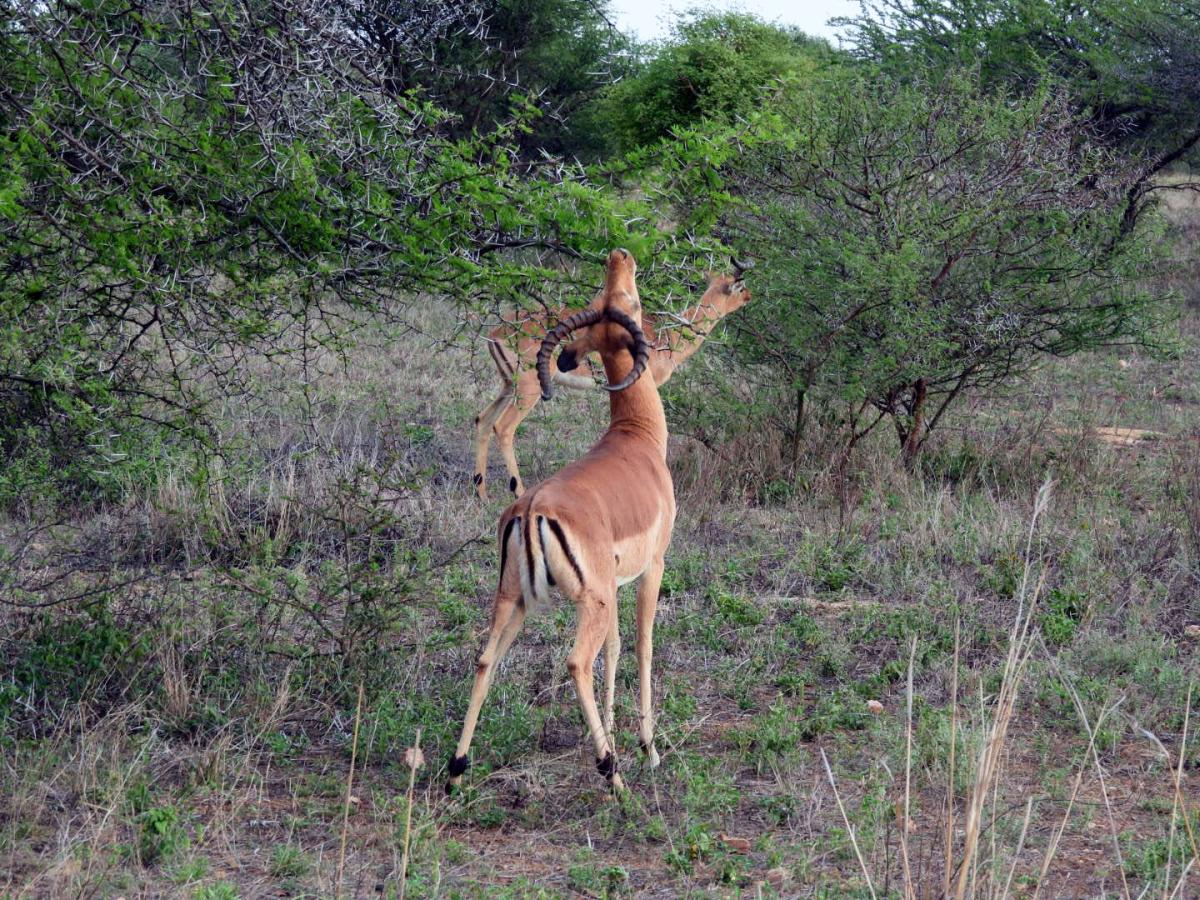
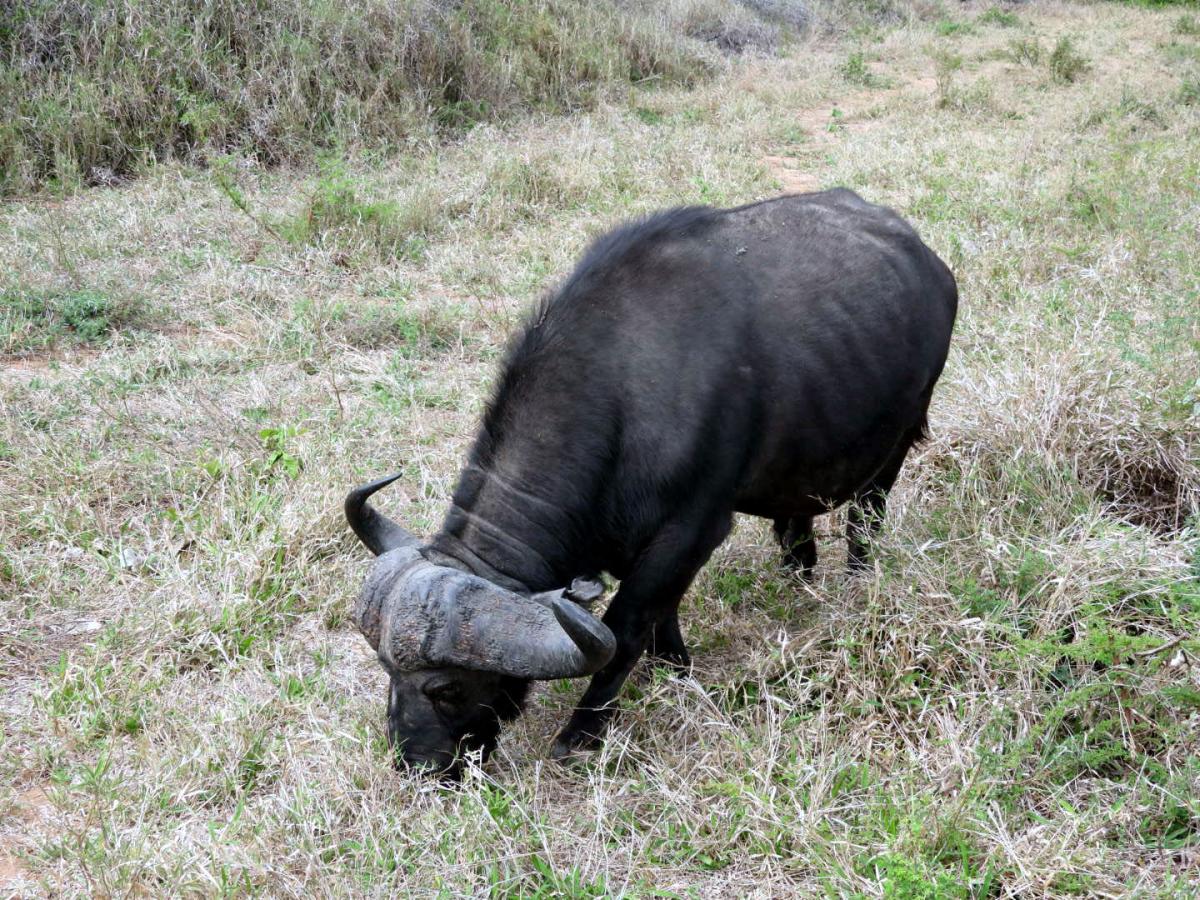
While the rest of our tour group started their journey home, Ed, Ronee, and Ron caught a flight from the Cape Town airport for Hoedspruit. From there we transferred to our lodge in the Kapama Private Game Reserve in an open game vehicle. It was a 35-minute drive down a dusty dirt road. Here, the magic and mystery of Africa began to unfold as we embarked on our first game drive that afternoon. This wildlife region boasts an abundance of bird and mammal species, including the “Big Five”: elephant, lion, leopard, buffalo, and rhino. Experienced rangers and trackers accompanied us in our open Land Rovers to ensure we enjoyed close-up encounters with the animals. They told us about the flora and fauna that surrounded us. While we were staying in a private game reserve, we have the opportunity to enjoy longer game-viewing hours than guests in nearby Kruger National Park. Here vehicles can go off-road anywhere in the private reserve, and guests are allowed to get out of the vehicle and go on foot, neither of which are allowed in the national park. That evening, we dined beside the pool before retiring to our villas for the night.






Kapama Private Game Reserve Day 2
We started our second game drive before daylight. After a 3-hour drive, we returned to the camp for breakfast. Our evening game drive started after afternoon tea and returned to the camp after dark. We had a barbeque dinner that night before going to bed. Ron had purchased a new camera with a great zoom capability. Toward the end of the evening game drive, he turned is camera on the moon to test its capability.






Kapama Private Game Reserve Day 3
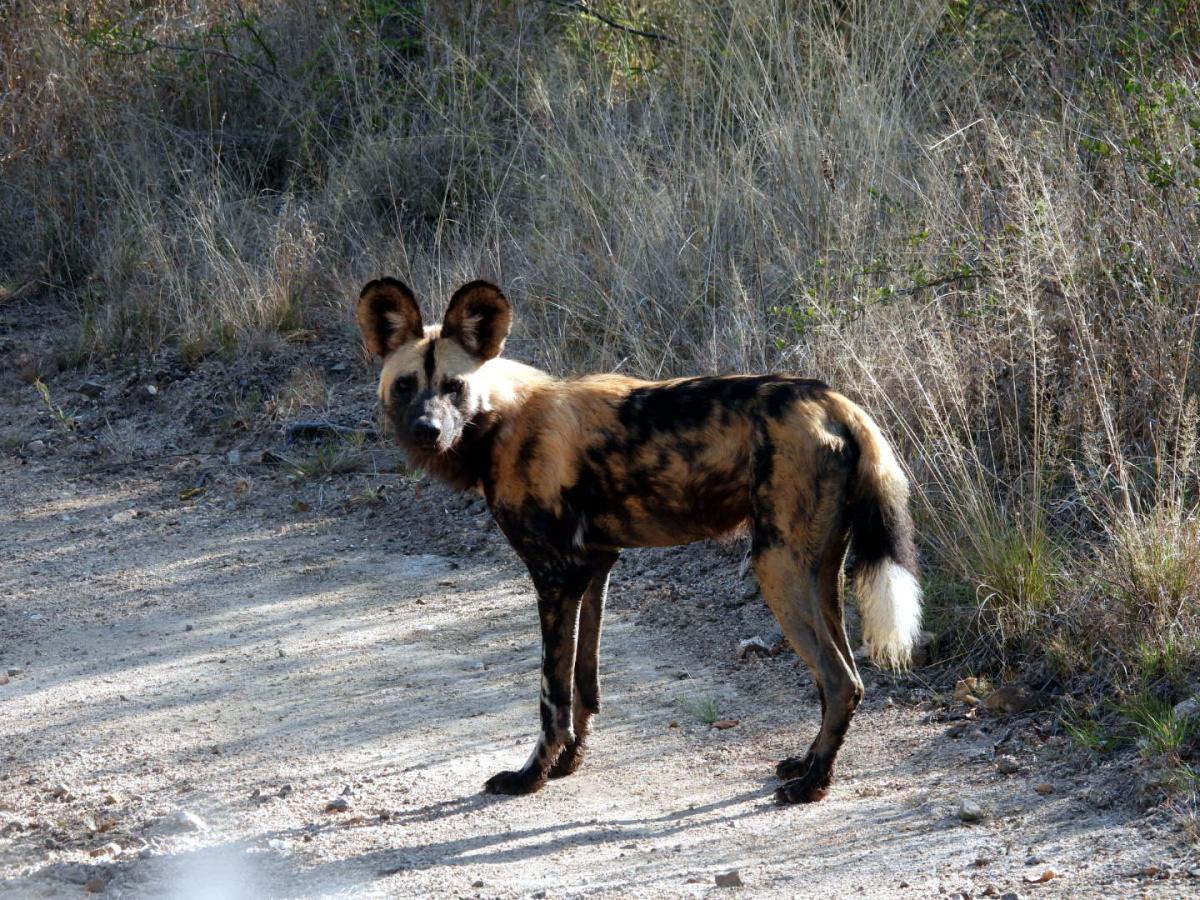
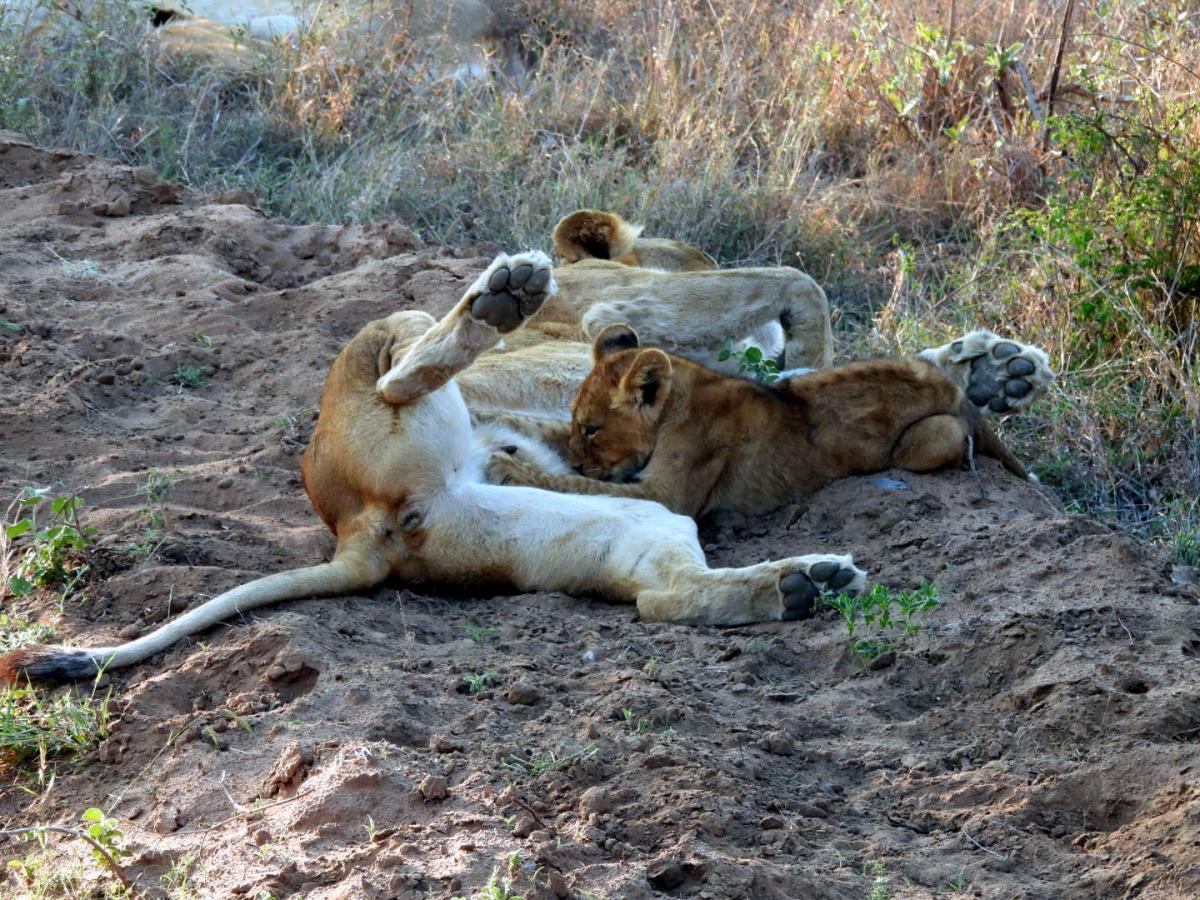
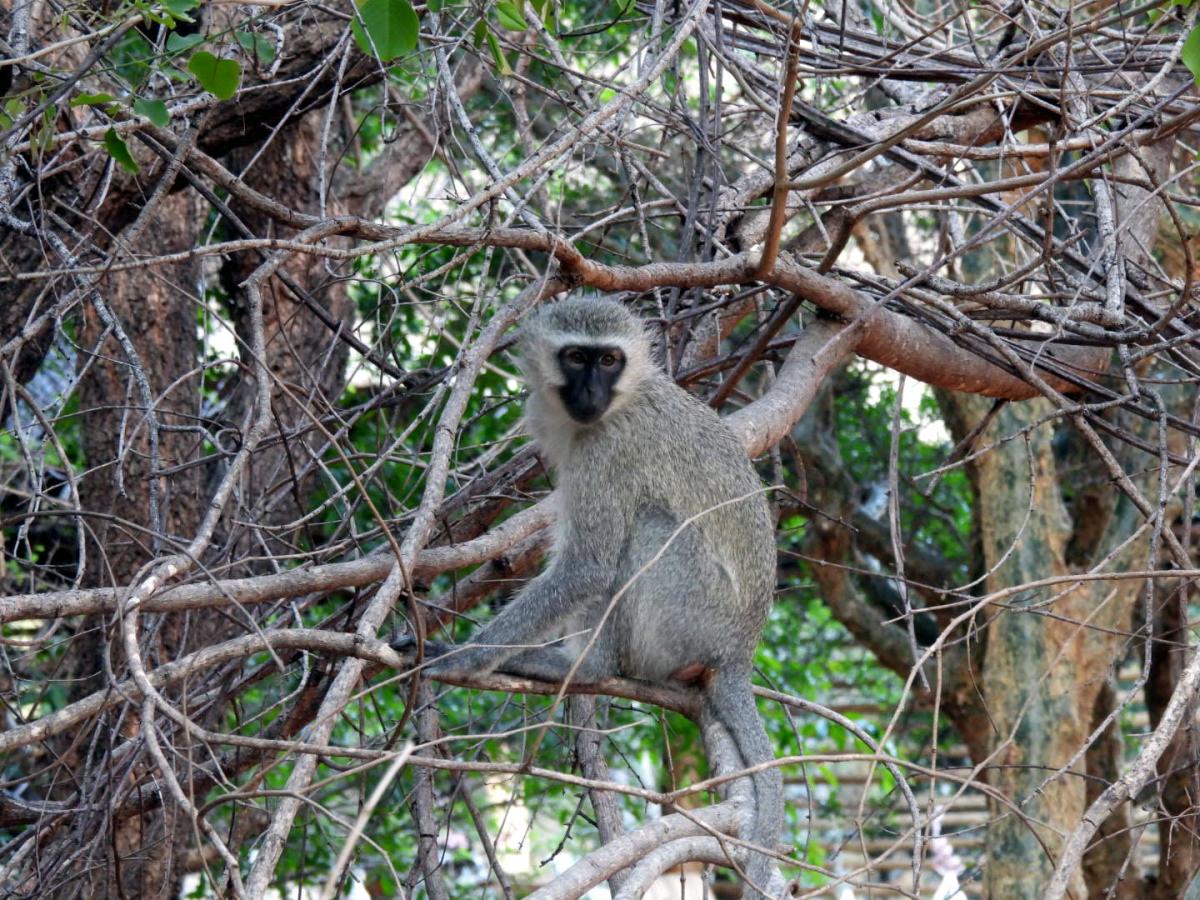
Our 4th game drive started before sunrise. When we got back for breakfast, monkeys had invaded the camp hoping for a handout.










Kapama Private Game Reserve Day 4
Our last game drive started before dawn. We had breakfast upon our return and had some time to rest before starting our journey home. We caught a flight from the Hoedspruit airport to Johannesburg. From Johannesburg, Ron travelled back to Atlanta. Including long delays in Johannesburg and Atlanta, the trip home took over 28 hours.






 Copyright © 2026
Hackett Information Systems Engineering
All rights reserved.